



Antibody-based therapeutics are continuing to be developed for treatments across diseases, and the second half of this year promises a wave of candidates entering late-stage trials and regulatory review.
Apitegromab is a fully human monoclonal antibody that inhibits myostatin activation by selectively binding the pro- and latent forms of myostatin in skeletal muscle. Myostatin, a member of the TGFβ superfamily, negatively regulates muscle growth, and its inhibition leads to increased muscle mass and strength. By targeting this pathway, apitegromab is the only muscle-directed therapy in development for spinal muscular atrophy (SMA) to show statistically significant and clinically meaningful improvements in a pivotal Phase 3 trial (SAPPHIRE). The drug is currently under regulatory review in the U.S., with an FDA PDUFA decision expected by September 22, 2025.

Narsoplimab (OMS721) is a fully human monoclonal antibody that targets MASP-2, the effector enzyme of the lectin pathway of the complement system. The lectin pathway, activated by tissue damage and microbial infection, contributes to inflammation and endothelial injury. By selectively inhibiting MASP-2, narsoplimab blocks complement-mediated inflammation without disrupting the classical complement pathway, preserving antibody-dependent immune defense. The drug is under FDA review for the treatment of hematopoietic stem cell transplant-associated thrombotic microangiopathy (TA-TMA), with a PDUFA date set for September 2025. Narsoplimab has received FDA breakthrough therapy and orphan drug designations for TA-TMA and orphan designation from the EMA for stem cell transplant-related indications.
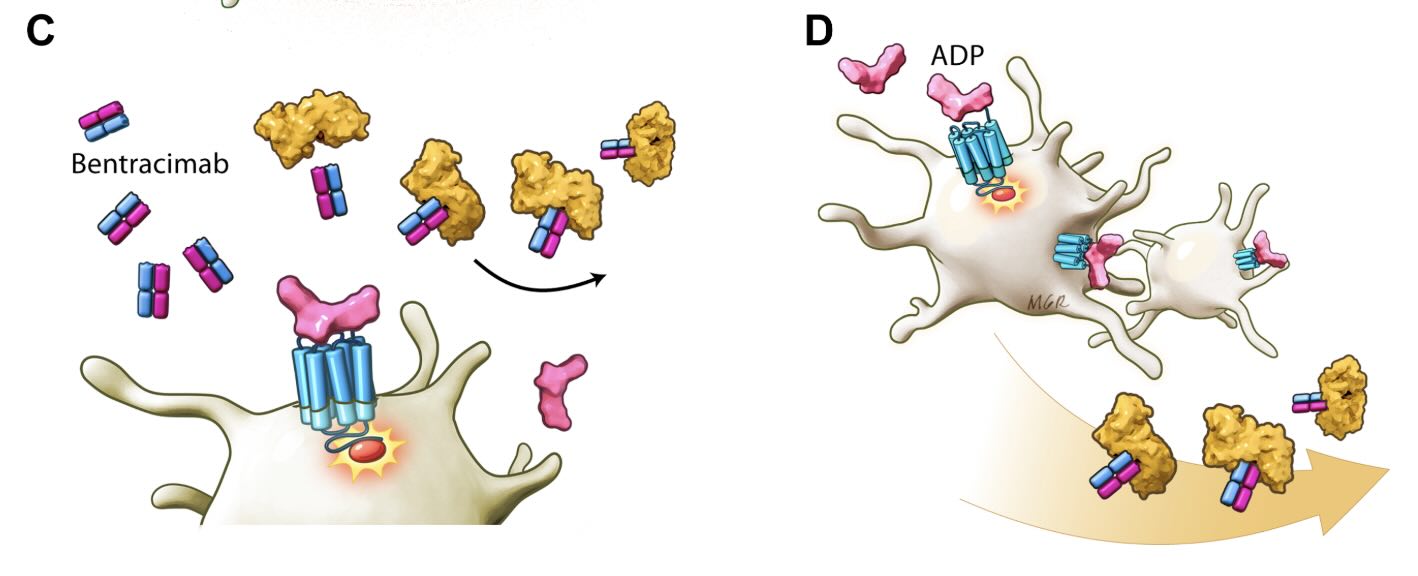
Bentracimab is a human monoclonal antibody fragment (Fab) developed as a specific reversal agent for the antiplatelet effects of ticagrelor (BRILINTA) and its active metabolite. It is intended for use in patients requiring urgent surgery or invasive procedures, or those experiencing major bleeding while on ticagrelor therapy. By binding to ticagrelor and its metabolite, bentracimab rapidly reverses platelet inhibition without affecting baseline hemostasis. The Biologics License Application (BLA) was accepted by the FDA with priority review, and a PDUFA action date is set for Q1 2025. Bentracimab has received FDA Breakthrough Therapy Designation.
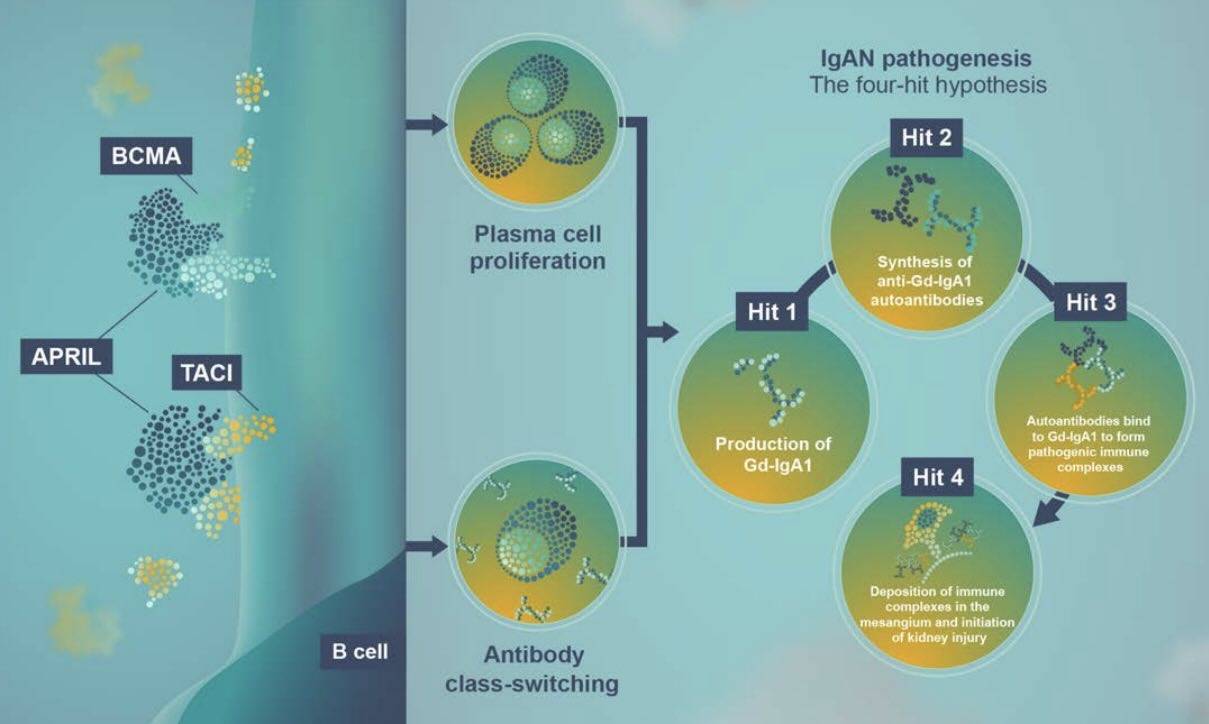
Sibeprenlimab is an investigational monoclonal antibody that selectively inhibits APRIL (A PRoliferation-Inducing Ligand), a cytokine involved in the pathogenesis of immunoglobulin A nephropathy (IgAN). APRIL plays a central role in promoting the production of pathogenic galactose-deficient IgA1 (Gd-IgA1), which contributes to immune complex formation and glomerular injury in IgAN. By blocking APRIL, sibeprenlimab aims to reduce Gd-IgA1 levels, immune complex formation, and kidney inflammation, potentially slowing progression to end-stage kidney disease (ESKD). The drug is under FDA priority review for IgAN, with a PDUFA target action date of November 28, 2025, and has been granted Breakthrough Therapy designation based on positive results from the Phase 2 ENVISION trial.
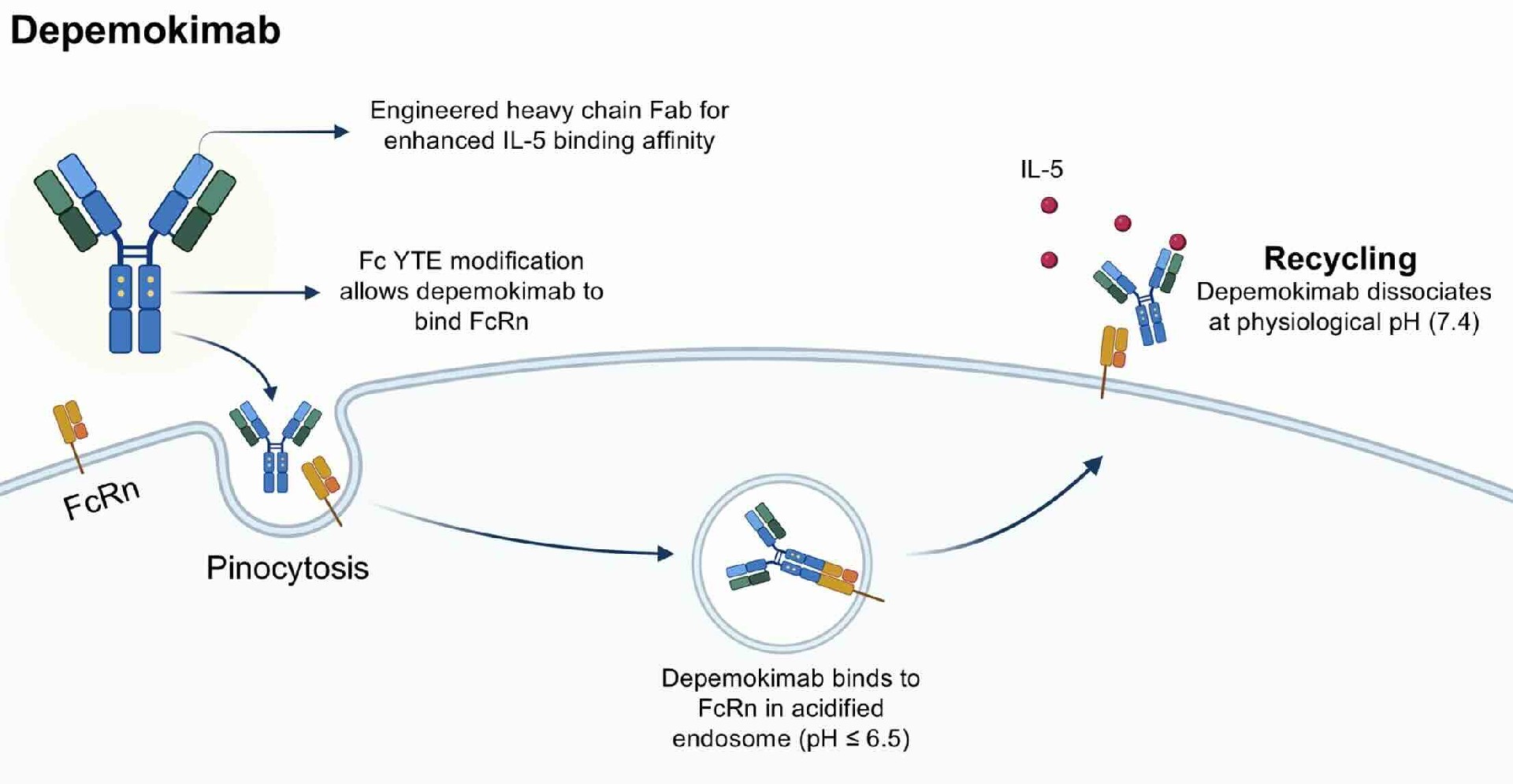
Depemokimab is an investigational monoclonal antibody targeting interleukin-5 (IL-5), a key cytokine driving type 2 inflammation. It is being developed as an ultra-long-acting biologic for the add-on maintenance treatment of asthma with type 2 inflammation and chronic rhinosinusitis with nasal polyps (CRSwNP). In pivotal Phase 3 trials depemokimab showed significant reductions in exacerbation rates, hospitalizations, and nasal polyp size. Regulatory applications have been accepted in the U.S., EU, China, and Japan, with the U.S. FDA assigning a PDUFA date of December 16, 2025. If approved, depemokimab would offer a highly convenient treatment option for patients with eosinophilic-driven disease.
As monoclonal antibody research continues to expand, these new therapies are shaping the future of autoimmune disease management, infectious disease prevention, and cancer treatment. With multiple regulatory milestones approaching, these next-generation antibody therapeutics have the potential to significantly improve patient outcomes in their respective fields.
Biointron provides high-quality design & expression services for custom antibodies, including scFv, Fab, (Fab')2, VHH, chimeric antibody, bispecific antibody of variable formats, Fc fusion protein, full-length IgG, or custom formats by customers. The services cover fast production, purification, stable cell line construction and more.
Explore the sequence, structure, binding, and developability data used to train ……
Learn how antibody selection criteria balance affinity, specificity, functional ……
Learn how antibody CDR design connects loop structure, heavy and light chain pai……
Learn how generative AI antibody design creates new sequences using target const……