
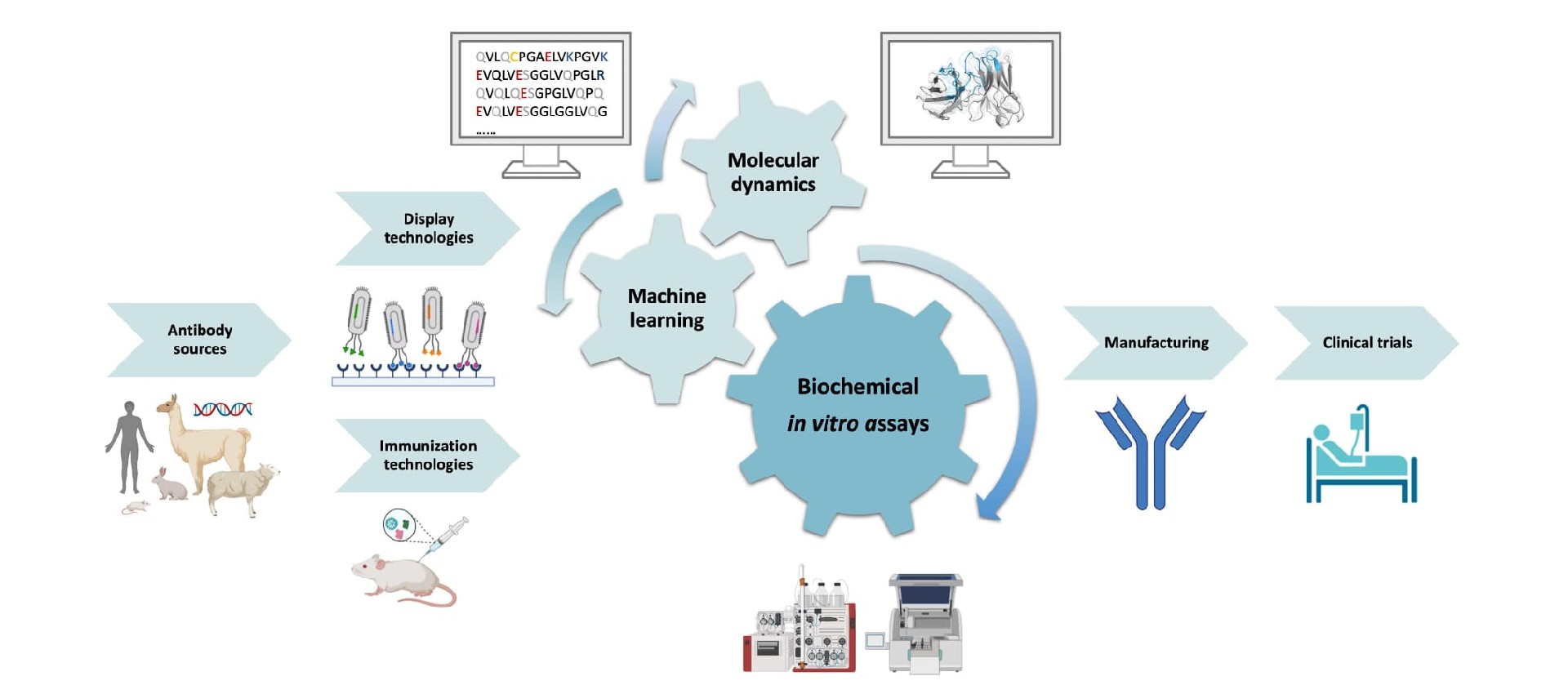





Antibodies are not just the body's defense mechanism against pathogens; they represent a fascinating aspect of our immune system, showcasing its complexity and efficiency. Below, we uncover ten intriguing facts about antibody production that go beyond the basics, delving into the marvels of immunology.
1. The Vast Repertoire of Antibodies
The human body can produce an estimated one billion different antibodies. This incredible diversity allows the immune system to recognize and combat a vast array of pathogens. The secret behind this diversity lies in the genetic recombination process, where genes shuffle and recombine to create a myriad of possible antibodies, each capable of targeting a specific antigen.
2. Antibodies Can Remember
One of the most remarkable features of antibodies is their ability to remember past invaders. This memory is the foundation of vaccination. When exposed to a pathogen or a vaccine, the immune system produces antibodies that will remember and recognize that pathogen if it enters the body again, enabling a faster and more effective response.
3. The Five Classes of Antibodies
Antibodies are not a one-size-fits-all tool. There are five primary classes of antibodies (IgM, IgG, IgA, IgE, and IgD), each with a unique role in the immune response. For example, IgG antibodies can cross the placenta to protect the fetus, while IgA antibodies are found in mucous membranes, playing a critical role in gut and respiratory health.
4. Antibodies as Diagnostic Tools
Beyond their role in defense, antibodies are invaluable in diagnostics. Techniques like ELISA (enzyme-linked immunosorbent assay) and Western blotting use antibodies to detect the presence of specific proteins, hormones, and other biomolecules in blood samples, helping diagnose conditions ranging from infections to hormonal imbalances.
5. Monoclonal Antibodies in Treatment
Monoclonal antibodies (mAbs) are lab-produced molecules engineered to serve as substitute antibodies that can restore, enhance, or mimic the immune system's attack on cells. They have revolutionized treatment for cancers, autoimmune diseases, and infectious diseases by targeting specific parts of pathogens or cells.
6. The Evolutionary Aspect
The ability to produce antibodies has evolved over millions of years. Interestingly, not all organisms produce antibodies in the same way humans do. For instance, sharks produce a simpler form of antibodies, providing insights into the evolution of the immune system across different species.
7. Antibody Production Begins Early
Fetuses start producing antibodies as early as the second trimester. This early development of the immune system is crucial for the newborn's ability to fight infections post-birth, relying on both their own antibodies and those received from the mother through the placenta and breast milk.
8. The Role of B Cells
B cells are the cellular factories of antibody production. Each B cell is programmed to produce one type of antibody. Upon encountering its specific antigen, a B cell will clone itself in a process called clonal expansion, leading to a large-scale production of its antibody to fight the invader.
9. Antibodies Can Trigger Allergic Reactions
Not all antibody responses are beneficial. IgE, one of the antibody classes, is primarily involved in allergic reactions. When IgE antibodies bind to allergens, they trigger the release of histamine, leading to symptoms ranging from mild (sneezing, itching) to severe (anaphylaxis).
10. Antibody Engineering for Research
Antibodies can be engineered to possess specificities for certain antigens, making them powerful tools in scientific research. This has paved the way for the development of antibody-drug conjugates (ADCs), which are designed to deliver cytotoxic agents directly to cancer cells, minimizing the impact on healthy cells.
For an antibody candidate, strong target binding is only part of the path toward……
Explore VHH-based biosensors for high-sensitivity detection using nanobodies in ……
Biointron’s Antibodies After Hours: BIO 2026 Reception was held at The Lion's Sh……
Explore how VHH antibodies stabilize protein conformations for crystallography, ……