


hubXchange's Antibody Drug Conjugates Therapeutics Xchange and Antibody Therapeutics Xchange were held in Boston, MA on June 18, 2025, and June 23, 2025, respectively. This event brings together scientists and executives from the pharmaceutical and biotech sectors to tackle key challenges in:
Target Selection, Toxicity & Off-Target Effects, Linker Design, and Cytotoxic Payload
Target Selection & Mechanisms of Action, Lead Identification & Optimization, Formats & Scaffolds, and Bi/Multispecifics
Off-target effects in antibody therapies can be mitigated by early format-based design and target screening, using real-world cases to inform safer drug development. (Biointron Biological)
Identifying antigens with tumor specificity, efficient internalization, and minimal off-target expression is critical for reducing toxicity and enhancing ADC effectiveness. (Abimmune Bio)
Organoids and patient-derived xenografts (PDXs) provide translational platforms to assess ADC targets, linkers, and payloads, enhancing prediction of therapeutic response. (Crown Bioscience)
Bispecific or biparatopic ADCs and high-potency payloads may overcome low target expression, though toxicity limits dosing—highlighting trade-offs in ADC design. (ImmuVia)
Membrane protein display technologies and early functional screening enhance hit discovery and target validation in antibody development. (Merck)
Enhancing antigen-specific binding affinity while minimizing non-specificity requires strategic engineering of pH-sensitive antibodies and affinity maturation. (Novartis)
Preclinical insights into patient selection, resistance, tumor heterogeneity, and immune interactions can drive next-generation ADC design and combination strategies. (Southern Research)
Bispecific targeting, antibody design, and tumor microenvironment considerations are key to reducing on-target/off-tumor toxicity and improving tumor specificity. (Mythic Therapeutics)
Tumor delivery can be enhanced through bispecific targeting and careful design of antibody, linker, and payload components, while managing organ-specific toxicity risks. (Mythic Therapeutics)
Designing optimal linkers requires balancing stability and controlled release, tailoring compatibility across ADC formats and indications, and maximizing payload efficacy. (AstraZeneca)
Understanding differences in internalization between tumor and normal cells can inform linker design, improving ADC therapeutic margin and reducing off-target effects. (Angiex)
Optimizing ADC payloads involves balancing DAR, antibody dosing, and biophysical properties, while exploring dual-trigger mechanisms and novel payload MoAs to enhance the therapeutic index. (Dyne Therapeutics)
AI-powered platforms, cell-based assays, and early developability assessments are enabling faster and more precise lead optimization for therapeutic antibodies. (Mosaic Biosciences)
Emerging screening strategies and AI-integrated workflows are accelerating the identification and optimization of bispecific T-cell engagers and ADC candidates. (Takeda)
Strategic use of early structural and epitope-level data in bispecific development improves selection, reduces downstream risk, and boosts clinical translation. (ImmutoScientific)
AI, structural modeling, and human BCR sequencing together drive rational antibody design, enabling faster and more accurate optimization. (GV20 Therapeutics)
Translating complex bispecific mechanisms into clinically relevant therapies requires advanced functional bioassays and bioanalytical strategies to guide dosing. (Novartis)
Early-stage structural insights are critical to ensuring bispecific antibodies achieve stable, dual-target engagement and reduce development risk. (ImmutoScientific)
Structural formats, aggregation risk, and mispairing issues must be assessed early to enhance the developability and manufacturability of bispecific antibodies. (Abimmune Bio)
Thank you to everyone who visited our booth at the Antibody and ADC Therapeutics Xchanges to learn about our services! We had a fantastic time chatting with you and how it can help you achieve antibody development. Our expert team would be happy to answer any follow-up questions. Feel free to email us at info@biointron.com or visit our website at www.biointron.com.
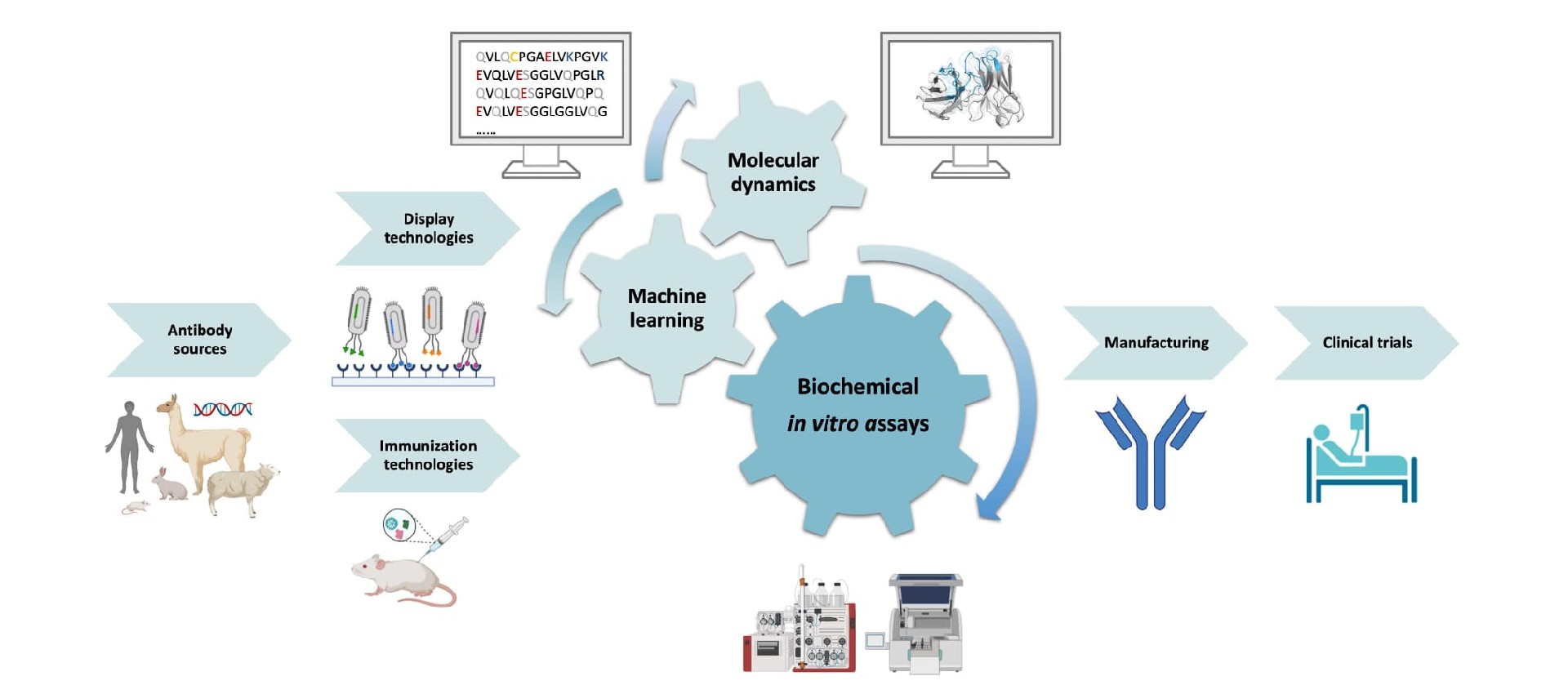
For an antibody candidate, strong target binding is only part of the path toward……
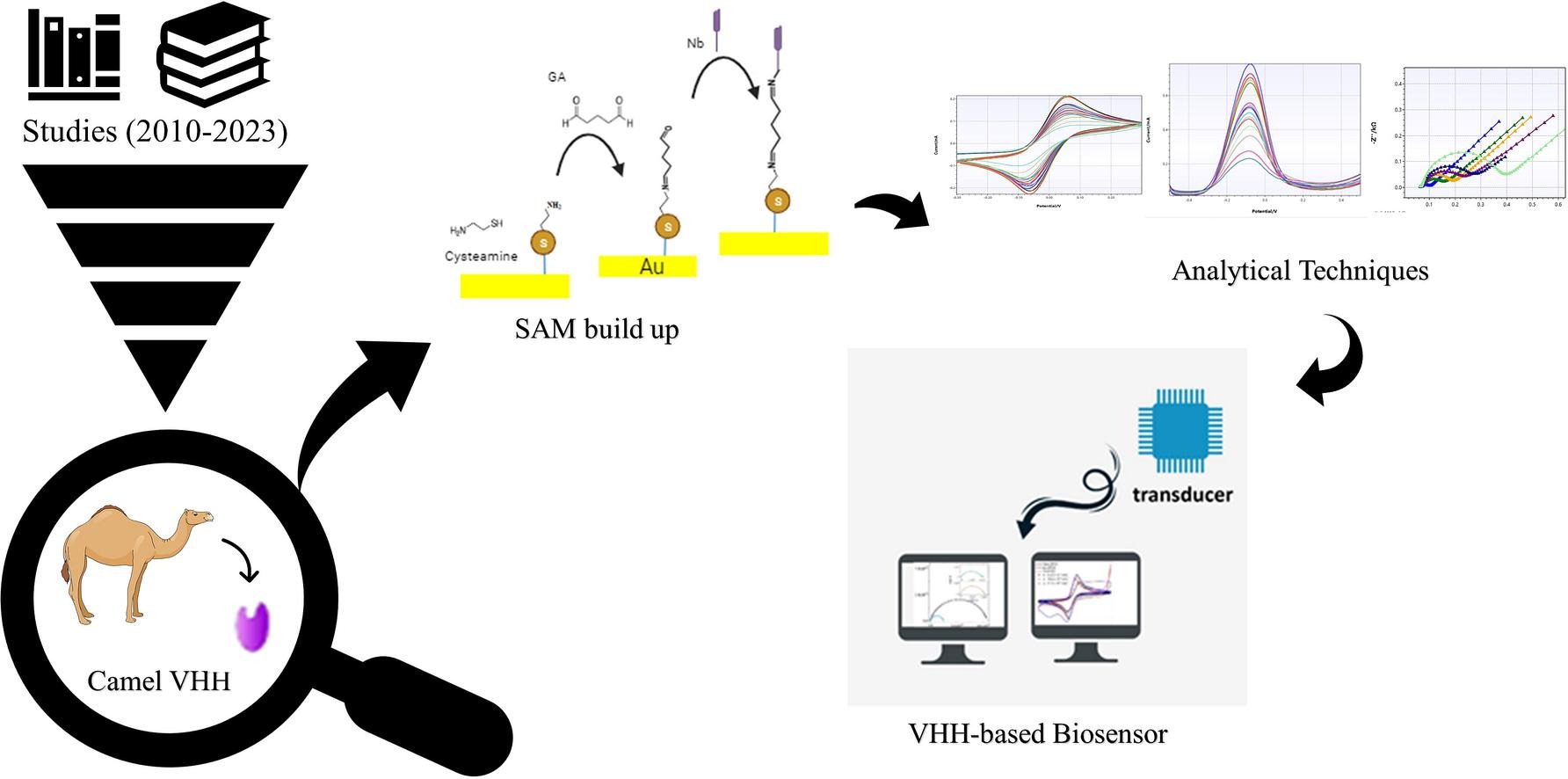
Explore VHH-based biosensors for high-sensitivity detection using nanobodies in ……
Biointron’s Antibodies After Hours: BIO 2026 Reception was held at The Lion's Sh……
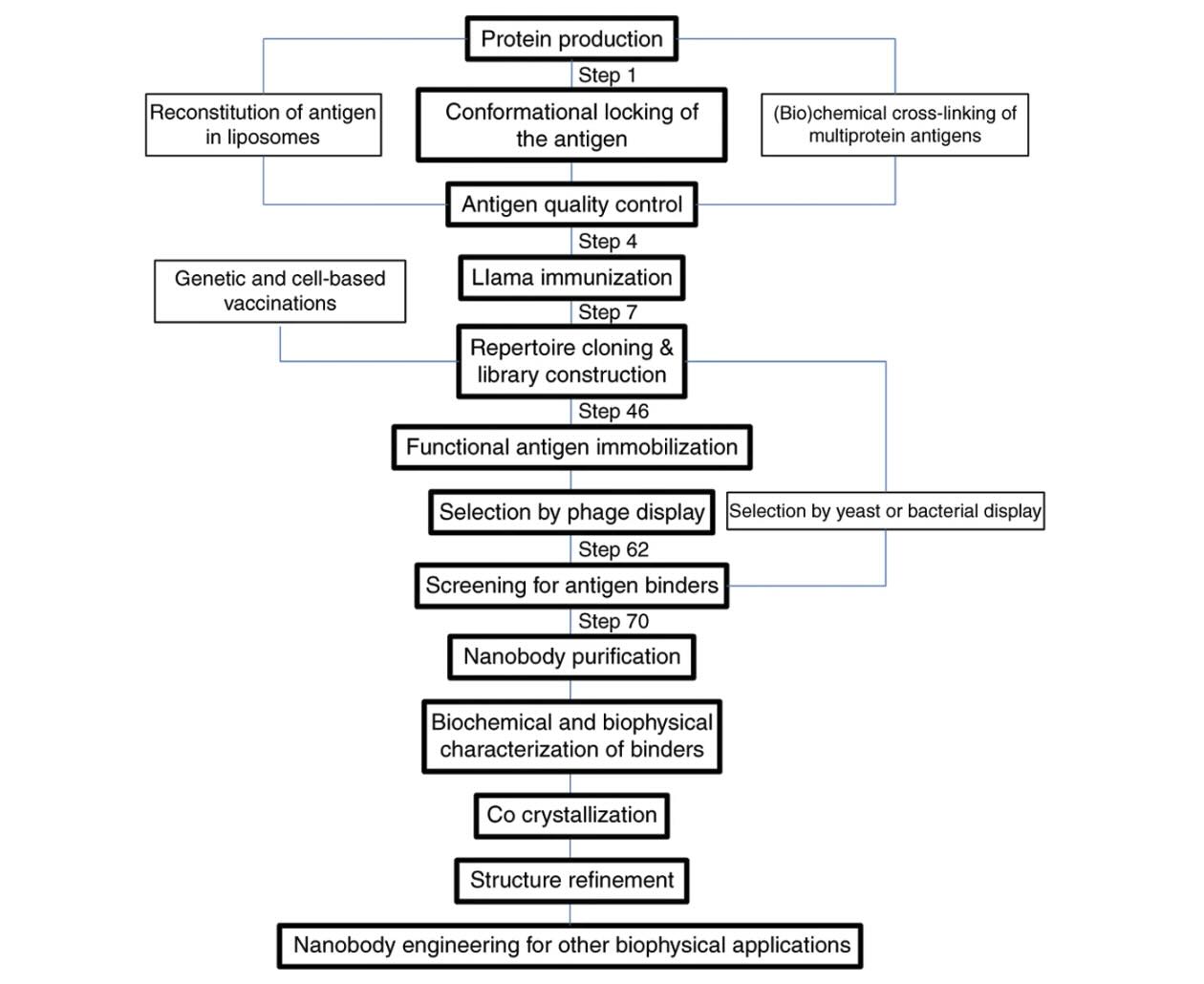
Explore how VHH antibodies stabilize protein conformations for crystallography, ……