


BIO Korea 2026 was held on April 28-30, 2026, bringing together academic scholars and experts in the biopharma and healthcare industry to share the latest technology trends and engage in discussion.
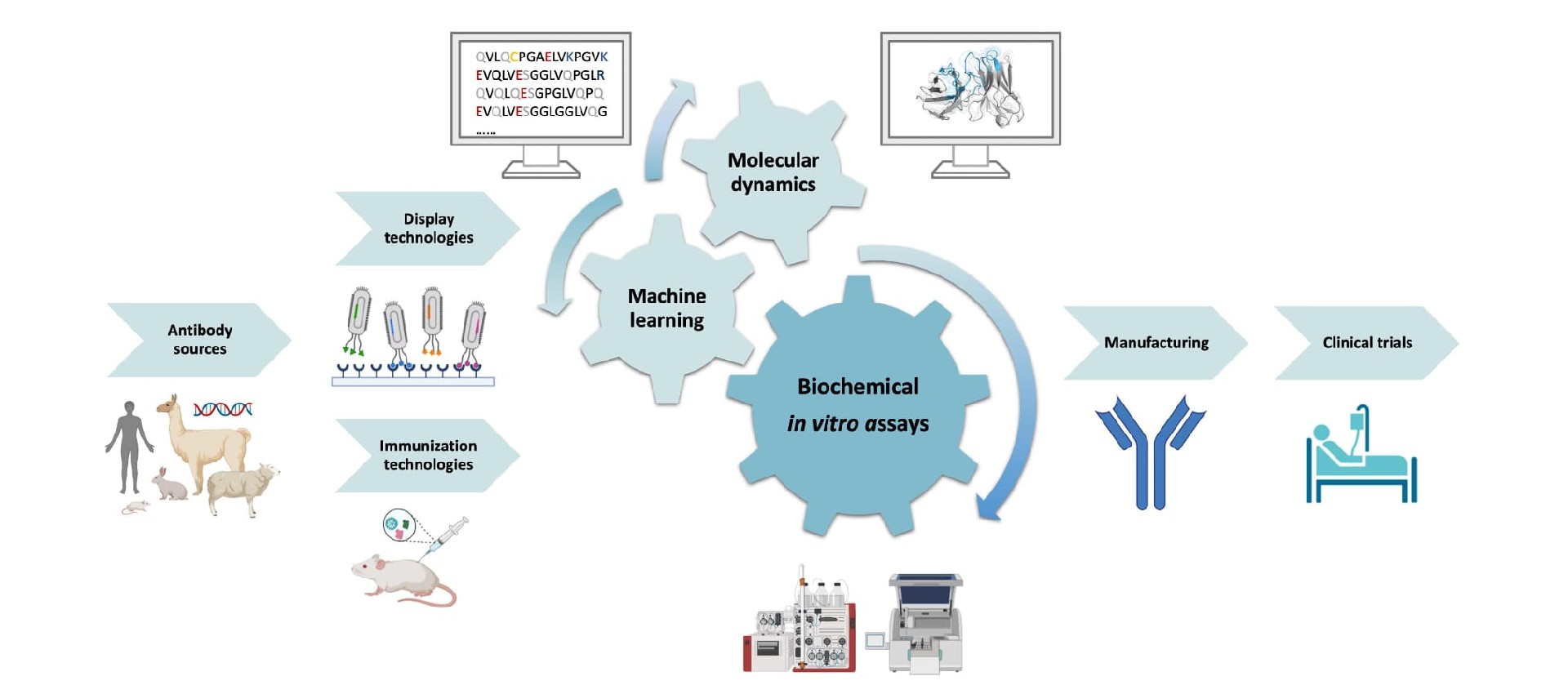
AI-driven discovery with antibody engineering and optimization
Novel next-generation modalities (ADCs, multispecifics, protein degraders)
Increasing reliance on human-relevant preclinical models (NAMs) for safety evaluation
Shift toward platform-based R&D strategies rather than single-asset development
Emphasis on global collaboration, licensing, and co-development to accelerate pipelines, e.g., NewCo models
AI is being applied across antibody workflows from target identification to clinical candidate optimization, improving success rates and development speed (AbbVie, AstraZeneca, Eli Lilly, MSD)
Integration of AI and quantum computing to improve molecular modeling and binding prediction, enabling more precise antibody engineering
Federated learning frameworks allow secure sharing of biological datasets across companies, improving antibody model training without exposing proprietary data
Antibody-drug conjugates (ADCs) are a leading modality reshaping pipelines, with delivery systems emerging as a key determinant of efficacy
Pipeline strategies focused on advanced biologics and antibody-based therapeutics, emphasizing scalability and global clinical execution (Johnson & Johnson)
Biologics portfolios include monoclonal antibodies and next-gen biologics, with focus on integrating innovation into late-stage development and commercialization (Amgen, Bayer, Eli Lilly)
Organ-on-chip platforms for antibody toxicity and efficacy testing in human-relevant systems
3D organoid-based assays enabling more predictive antibody safety profiling
AI-driven toxicity prediction models can anticipate safety risks earlier in antibody development
Regulatory bodies (FDA, EMA, OECD) are moving toward acceptance of non-animal testing frameworks, accelerating adoption of NAMs in biologics development
Multi-layered funding models support antibody pipeline progression from discovery to commercialization
Global pharma (AbbVie, Lilly, AstraZeneca, MSD) emphasized open innovation models, partnering with biotech firms for antibody discovery and development
There has been success via out-licensing and co-development of biologics, including antibody-based assets entering global markets
Transition from single antibody assets to platform technologies enabling repeatable pipeline generation
Increasing adoption of platform-centric strategies and NewCo models to attract global partners and investors
NewCo models are a strategic transaction structure where specific drug assets are spun off into a new, independent entity in collaboration with investors, often located in offshore jurisdictions.
Companies are evaluated based on execution capability, clinical strategy, and scalability, not just antibody quality

Thank you to everyone who visited our booth at BIO Korea 2026 to learn about our services! We had a fantastic time chatting with you and how it can help you achieve antibody development. Our expert team would be happy to answer any follow-up questions. Feel free to email us at info@biointron.com or visit our website at www.biointron.com.
For an antibody candidate, strong target binding is only part of the path toward……
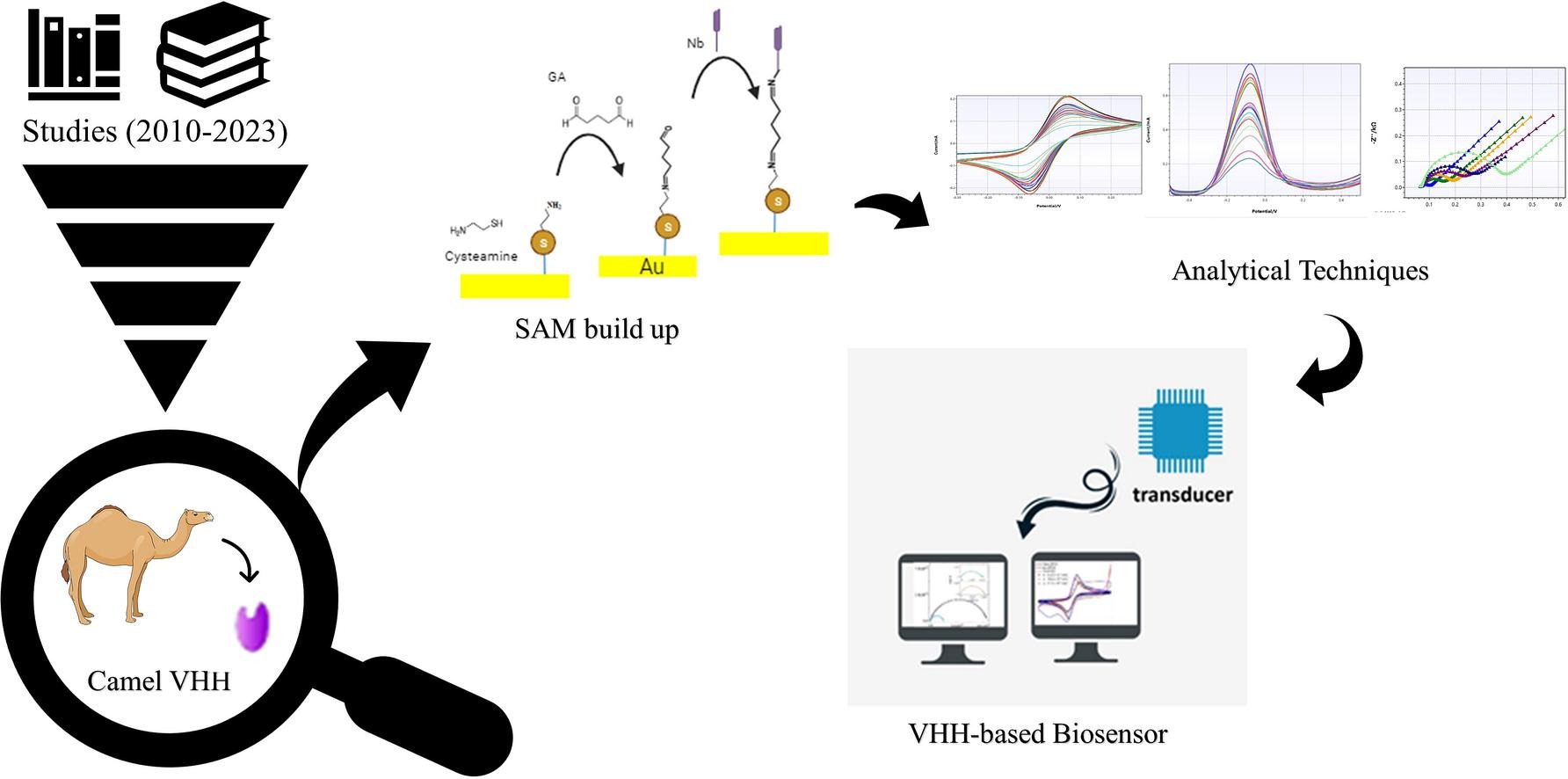
Explore VHH-based biosensors for high-sensitivity detection using nanobodies in ……
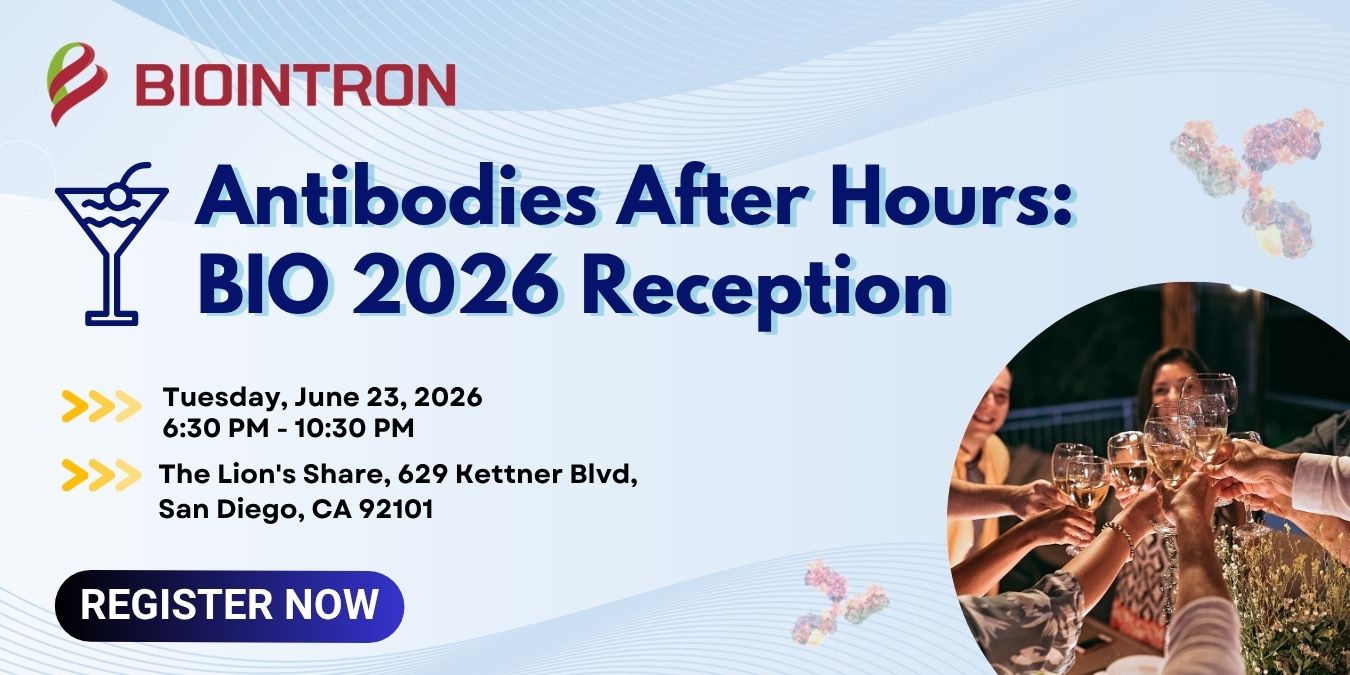
Biointron’s Antibodies After Hours: BIO 2026 Reception was held at The Lion's Sh……
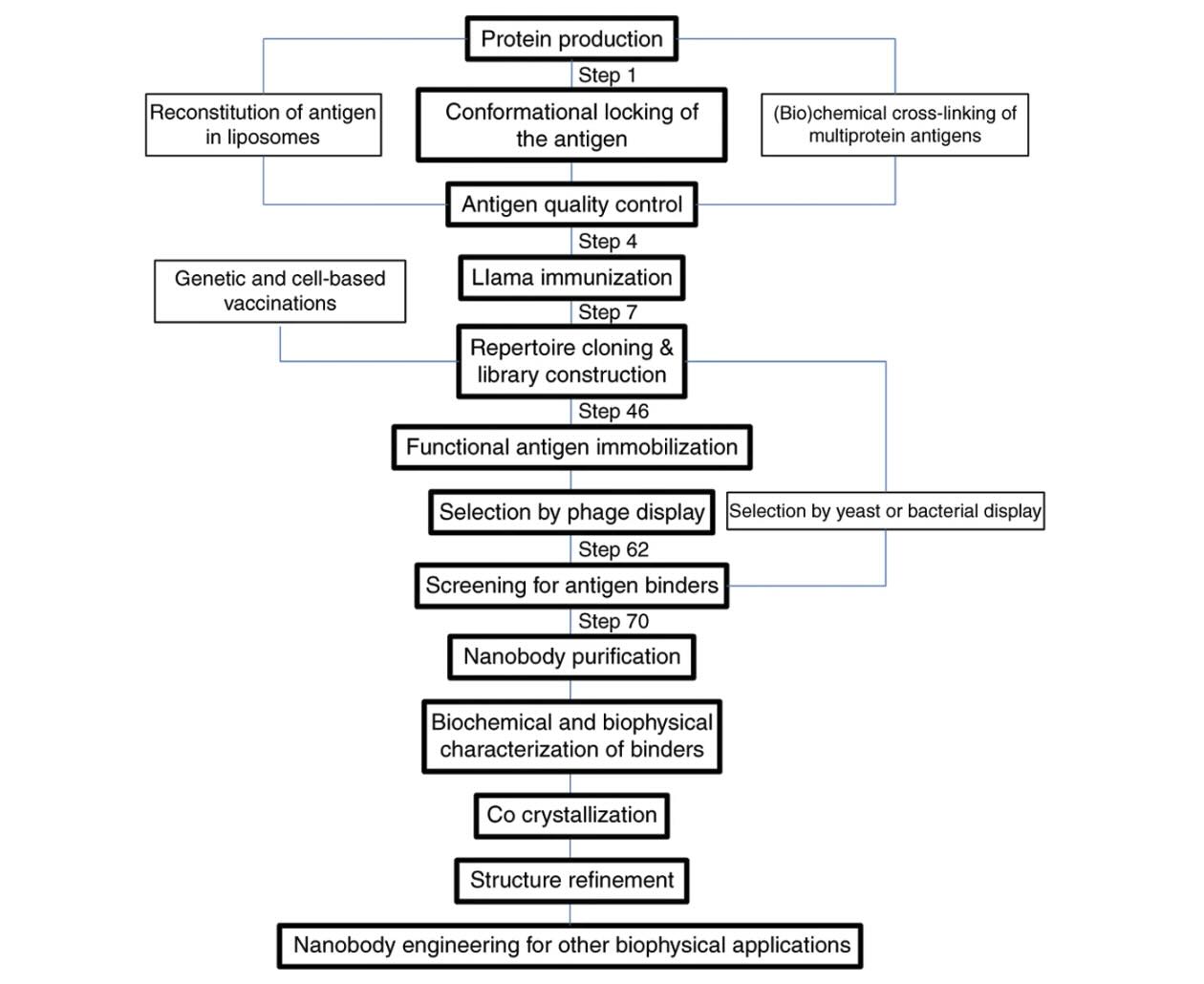
Explore how VHH antibodies stabilize protein conformations for crystallography, ……