


BIOPLUS-INTERPHEX KOREA was held in Seoul, Korea, from October 15 to October 17, 2025. The exhibition highlighted advances across the biopharmaceutical value chain and showcased the latest trends.
Technology-focused topics included:
Antibody-Drug Conjugates (ADCs) & Biotherapeutics
Regenerative Medicine & Longevity
Digital Fill/Finish & Smart Manufacturing
Sustainable and Flexible Bioprocessing
AI, Cold-Chain & Materials Innovation
Ongoing ADC research focused on optimizing linkers, payload selection, and DAR control to balance potency with safety for solid-tumor targets.
Heterogeneity and manufacturability remain key challenges, with novel analytical workflows emerging for site-specific conjugation and structural characterization.
Discussions emphasized next-generation payloads and orthogonal QC strategies to enhance stability and therapeutic index.
The field is shifting toward platform-based ADC development, integrating machine learning for conjugation prediction and biophysical property optimization.
Cellular and regenerative medicine were identified as cornerstones of next-generation therapeutics, extending beyond repair toward performance and resilience.
Research underscored the role of immune modulation and metabolic reprogramming in healthy aging and disease prevention.
Longevity biotechnology is increasingly viewed through a translational systems-biology lens, integrating stem-cell innovation with data-driven biomarker discovery.
The intersection of therapeutic biology and human enhancement marks the evolution of longevity as a medical and economic frontier.
Anti-aging R&D is moving from topical applications to interventions targeting molecular hallmarks of aging, including DNA repair, senescence, and mitochondrial dynamics.
Experts highlighted the need for cross-disciplinary collaboration—where regulatory science, ethics, and market access must progress alongside biology.
Emerging tools in multi-omics and AI-guided modeling are enabling more precise target validation for age-modulating therapeutics.
The consensus: aging biology is the next frontier of biopharma innovation, poised to redefine preventive and restorative medicine.
Virtual-reality and digital-twin systems are transforming fill/finish training, enabling immersive process simulation and minimizing operator deviation.
AI-driven in-line monitoring and automated data capture enhance process reliability and speed technology transfer across sites.
Integration of robotics and real-time visualization fosters a closed-loop, error-resilient fill/finish environment, setting new standards for compliance and agility.
Single-use bioreactor systems support sustainability goals while providing rapid product turnaround and scalability across modalities.
New bioprocess intensification strategies—combining perfusion culture, automation, and reduced-resource operations—lower carbon and water footprints.
The push toward eco-efficient design highlights that environmental responsibility and operational flexibility can be co-optimized in biologics production.
Adaptive packaging solutions are being deployed to support global clinical agility and meet diverse regulatory requirements.
Real-time monitoring through IoT-enabled cold-chain systems ensures product stability throughout distribution.
Emerging packaging formats provide greater flexibility for RNA, cell, and antibody therapies, shortening timelines from clinical to commercial supply.
Rapid advances in bio-materials, parts, and equipment (M·P·E) strengthen regional self-sufficiency and production continuity.
Cold-chain modernization integrates predictive analytics and greener materials to reduce waste while maintaining biologic integrity.
AI applications now span from process optimization to predictive maintenance, establishing data-centric foundations for next-gen biomanufacturing.

Thank you to everyone who visited our booth at BIOPLUS-INTERPHEX KOREA 2025 to learn about our services! We had a fantastic time chatting with you and how it can help you achieve antibody development. Our expert team would be happy to answer any follow-up questions. Feel free to email us at info@biointron.com or visit our website at www.biointron.com.
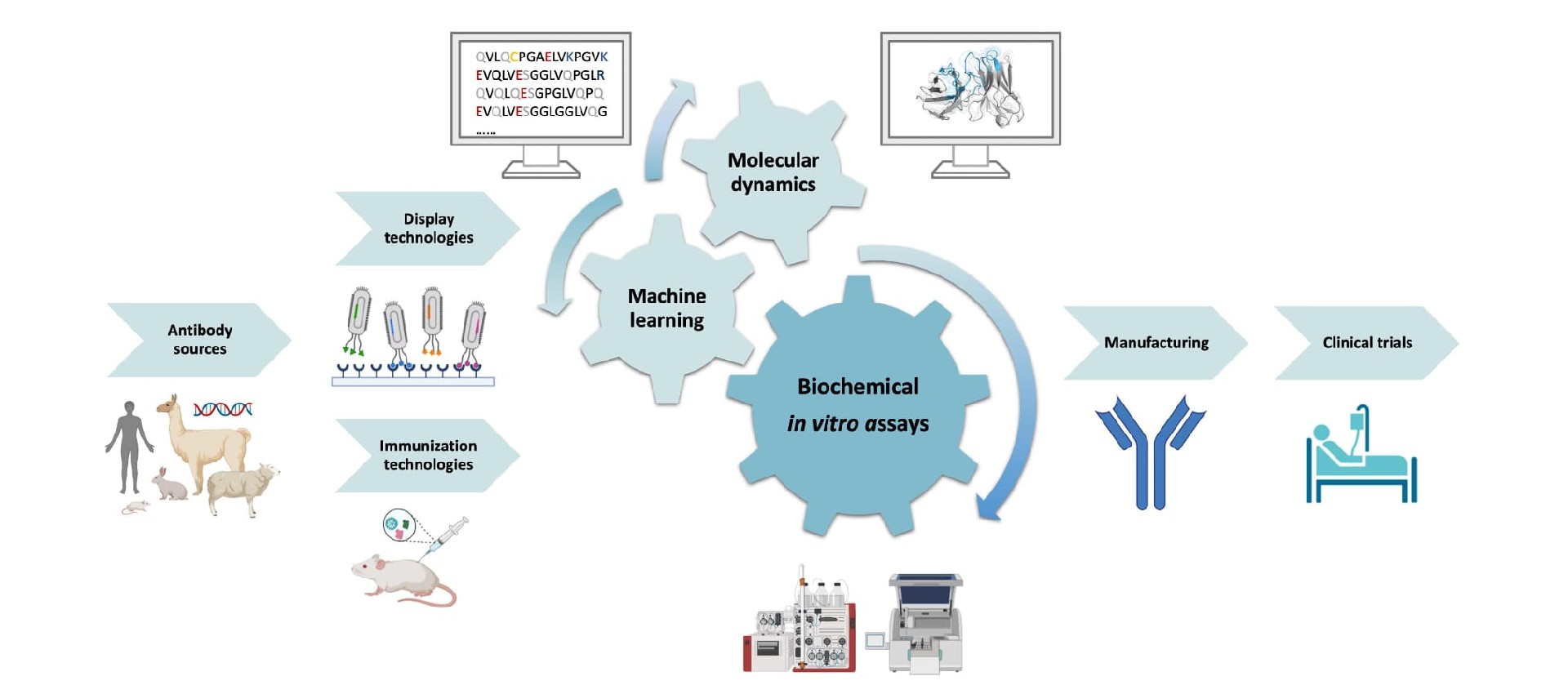
For an antibody candidate, strong target binding is only part of the path toward……
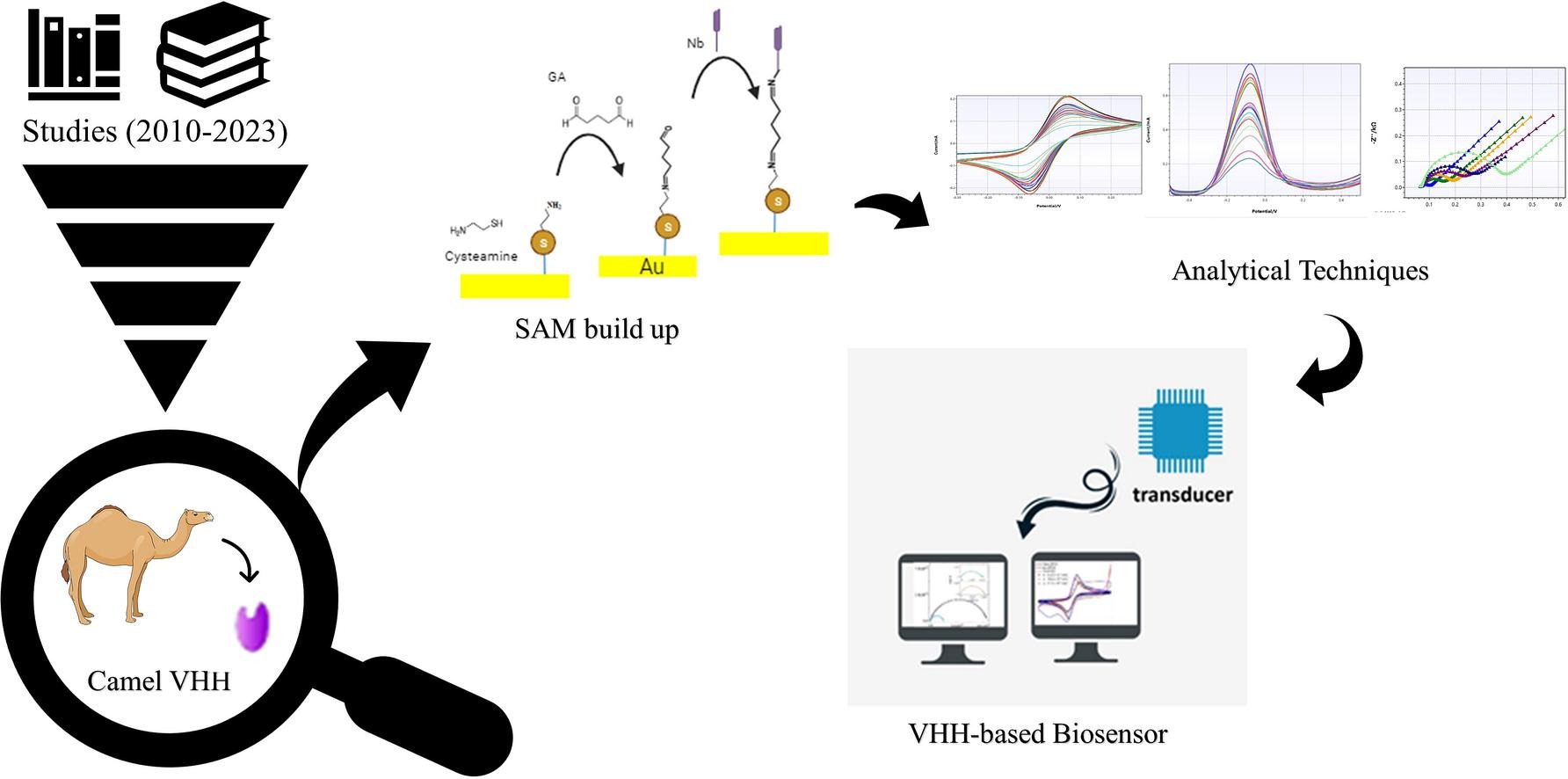
Explore VHH-based biosensors for high-sensitivity detection using nanobodies in ……
Biointron’s Antibodies After Hours: BIO 2026 Reception was held at The Lion's Sh……
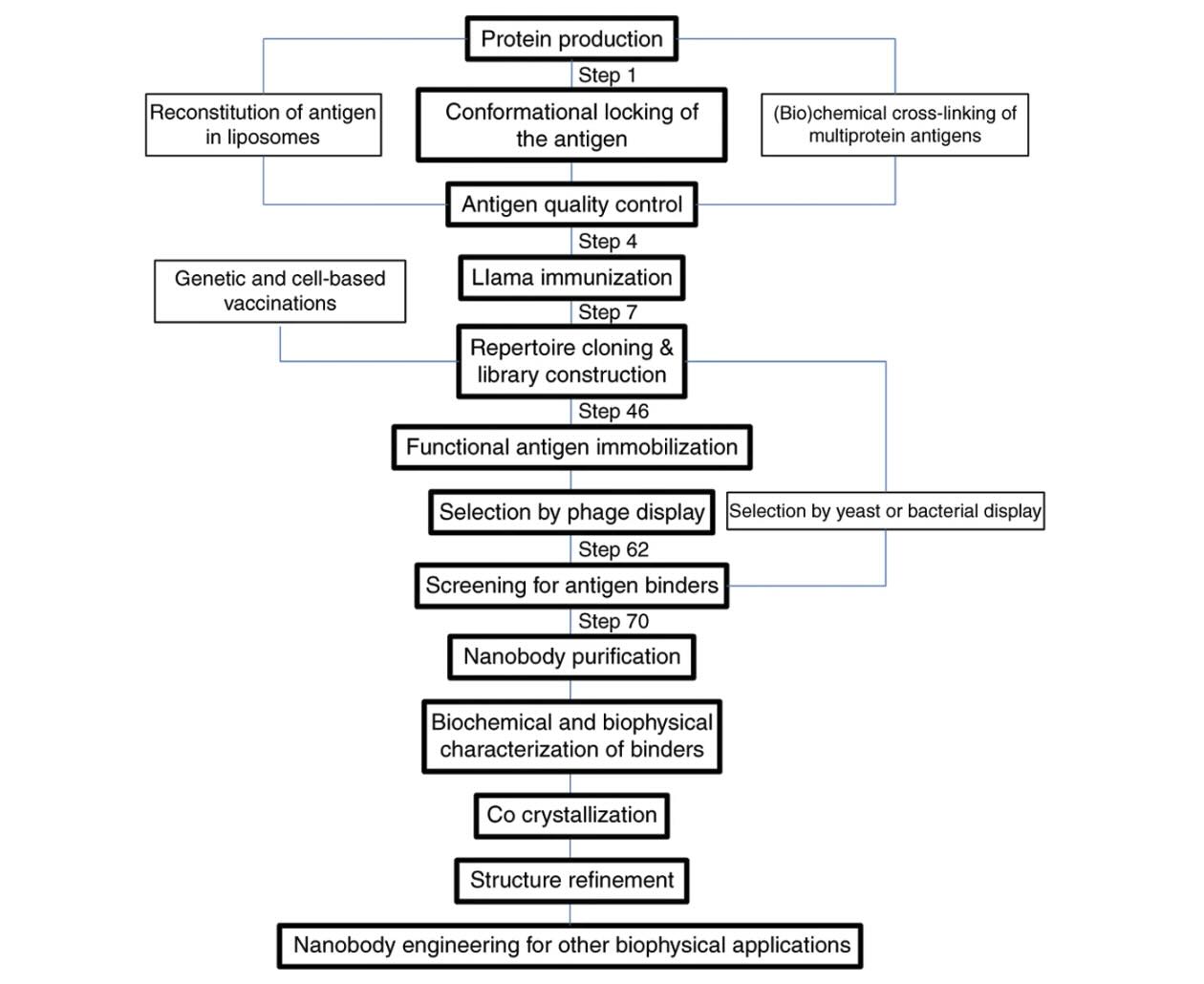
Explore how VHH antibodies stabilize protein conformations for crystallography, ……