


The Society for Immunotherapy of Cancer (SITC) 2025 conference was held in National Harbor, Maryland, from November 5 to November 9, 2025. Forty years ago, breakthroughs in recombinant DNA, monoclonal antibody technology, and tumor immunology laid the groundwork for cancer research. At SITC, experts and emerging investigators across biotech, academia, government, and pharma come to advance immuno-oncology and improve patient outcomes.
Topics included:
Next-generation PD-1/VEGF bispecifics and checkpoint-enhancing antibodies
Emerging immune-modulating ADCs (ISACs, non-cytotoxic ADCs, immune-activating payloads)
Novel antibody-based T cell engagers and bifunctional antibodies
B-cell–directed immunotherapies and biomarker advancement
Bispecific and biologic-driven strategies to overcome resistance
PD-1/VEGF bispecifics continued to dominate clinical conversations. New data on ivonescimab and SSGJ-707 showed strengthened responses in NSCLC, emphasizing the therapeutic potential of simultaneously modulating immune activation and tumor angiogenesis.
A first-in-class bifunctional antibody (invikafusp alfa) targeting the TCR β chain demonstrated preliminary monotherapy efficacy in TMB-high solid tumors, highlighting the progress of TCR-directed antibodies as a new immunotherapy class.
Novel antibody tools for identifying, selecting, and modulating engineered T cells, including whitlow linker CAR-expressing T cells and CAR-TIL constructs with improved infiltration.
Increased precision in antibody engineering, including affinity-tuned checkpoint antibodies, Fc-modified formats, and antibody-based ligands enabling more targeted immune activation in solid tumors.
Payload class and linker chemistry can determine dendritic cell activation, macrophage polarization, and antigen release.
PK-immune co-dynamics can dictate whether an ADC supports innate immune priming or TME remodeling.
Immune-Stimulating Antibody Conjugates (ISACs) in development:
A PD-L1-directed ISAC designed to activate PD-L1+ myeloid cells showed robust preclinical immune activation and tumor regression.
A splicing-directed ADC payload induced strong type I interferon signaling and synergized with PD-1/PD-L1 blockade, suggesting a path to sensitizing immunologically “cold” tumors.
ADC-ICI combination strategies were discussed in depth, with early clinical and translational evidence showing enhanced antigenicity, improved T cell infiltration, and reversal of checkpoint resistance.
CAR-monocytes targeting tumor-promoting lipid macrophages represented a new class of myeloid-engineered therapeutics aimed at reshaping the TME rather than directly killing tumor cells.
Enhanced TCR-T platforms demonstrated activity across diverse solid tumors, raising the question of whether TCR-T could become the “primary cell therapy” for solid cancers.
Modified TIL platforms, including IL-15–regulated TILs and KLF2-overexpressing stem-like TILs, showed improved persistence and reinvigoration in solid tumor microenvironments.
Radiomics is a powerful noninvasive biomarker tool. Highlights included QVT radiomic scores predicting ICI outcomes in NSCLC and whole-body CD8 PET imaging providing insights into immune distribution in patients.
Renewed attention on B-cell exhaustion, tumor-associated B-cell roles, and their interaction with checkpoint blockade. There is emerging relevance of anti–type I IFN autoantibodies that may influence IO responses.
Mechanisms of IO resistance include HLA ligandome editing, myeloid-driven stromal signaling, neuronal pathway activation, and metabolic rewiring under chronic TCR stimulation.

Thank you to everyone who visited our booth at SITC 2025 to learn about our services! We had a fantastic time chatting with you and how it can help you achieve antibody development. Our expert team would be happy to answer any follow-up questions. Feel free to email us at info@biointron.com or visit our website at www.biointron.com.
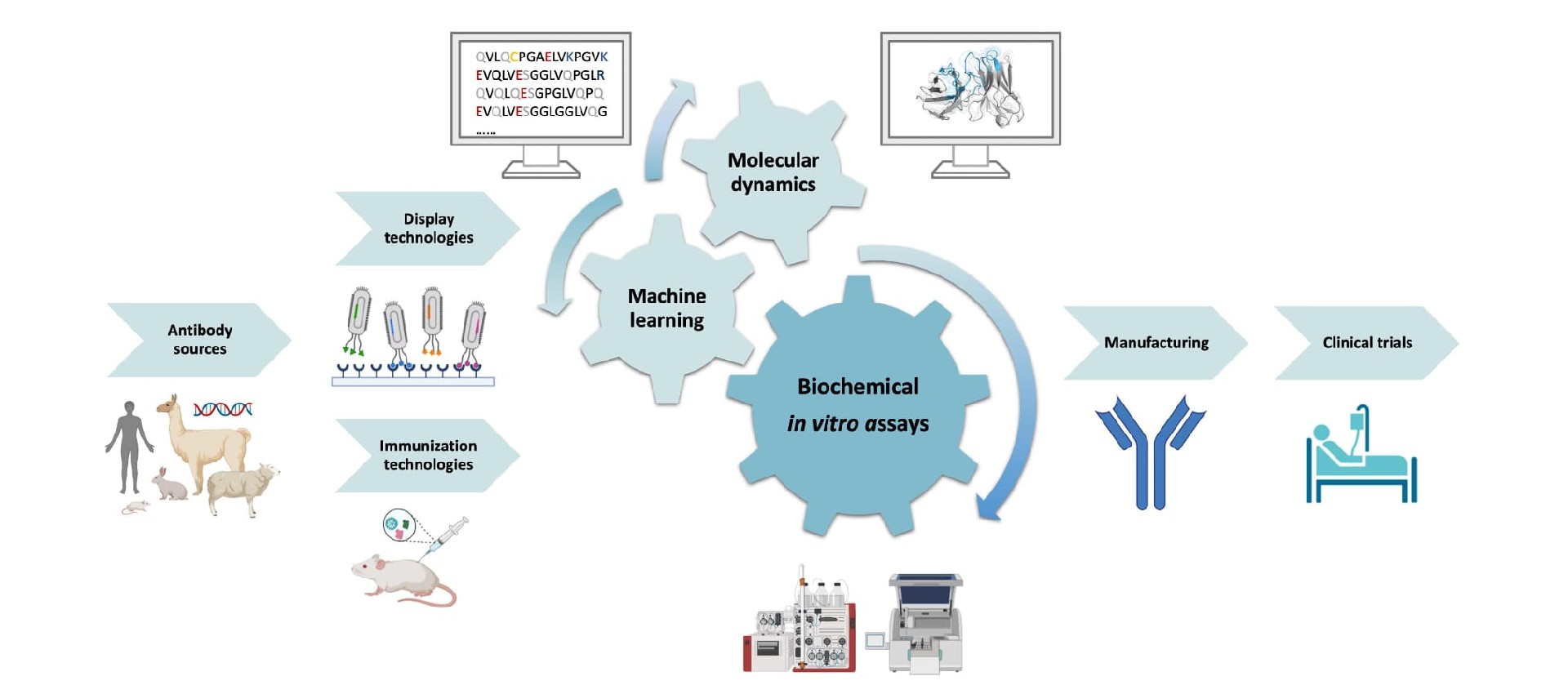
For an antibody candidate, strong target binding is only part of the path toward……
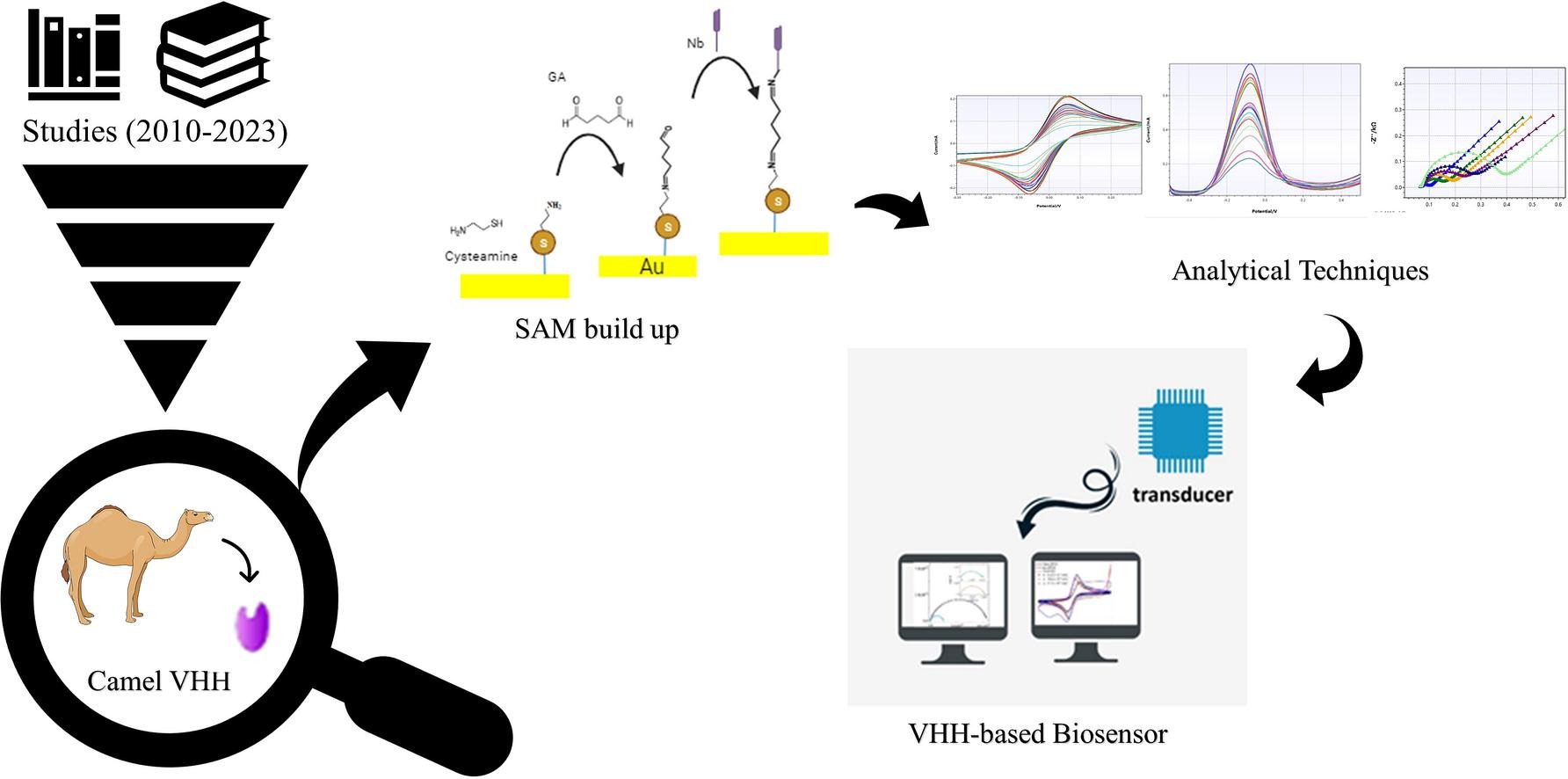
Explore VHH-based biosensors for high-sensitivity detection using nanobodies in ……
Biointron’s Antibodies After Hours: BIO 2026 Reception was held at The Lion's Sh……
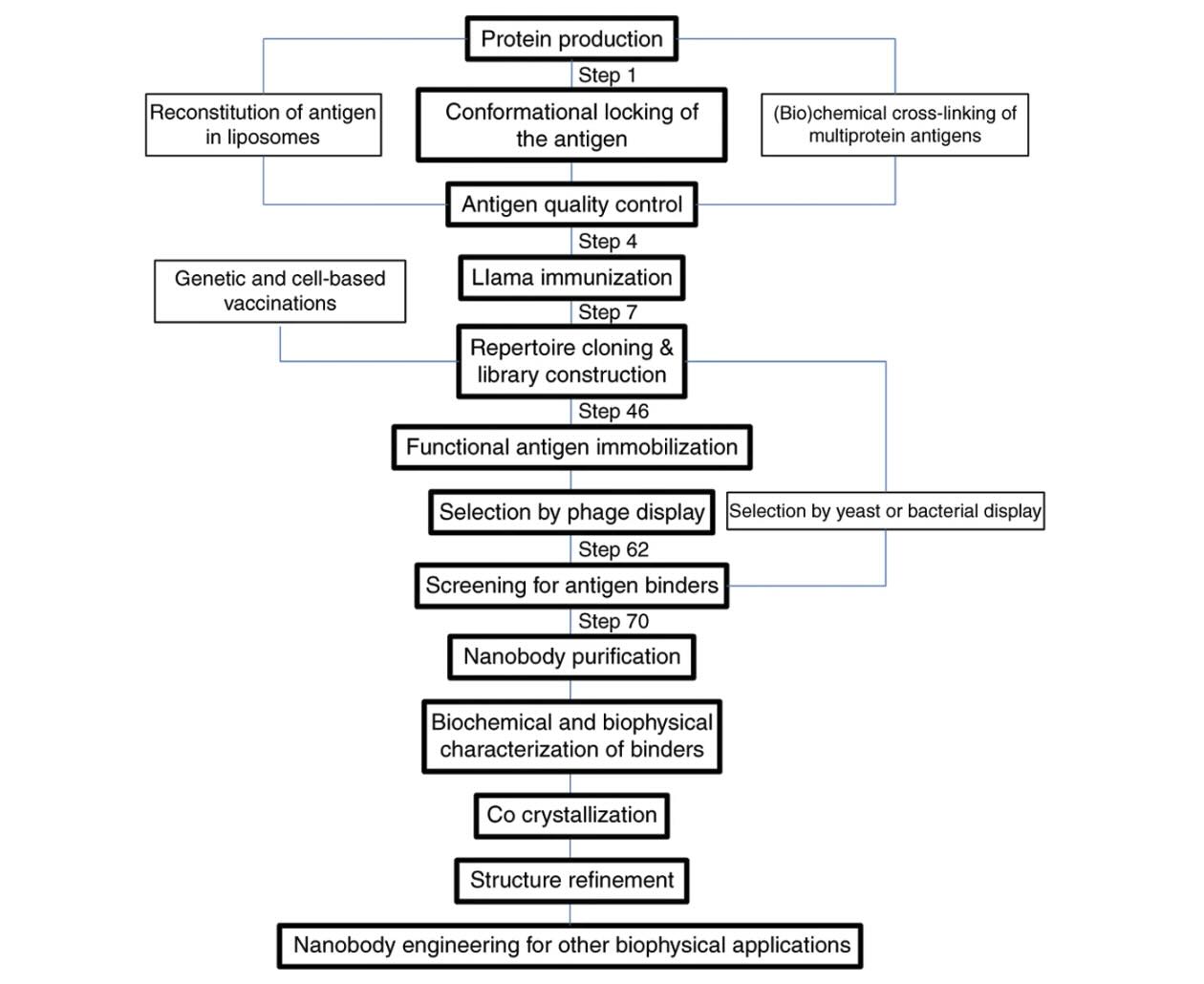
Explore how VHH antibodies stabilize protein conformations for crystallography, ……