


The 16th World ADC San Diego 2025 conference was held in San Diego, California, from November 3 to November 6, 2025. As the world’s largest antibody-drug conjugate, the exhibition theme was: “Progressing ADCs to Standard of Care Oncology Treatments by Moving the Needle Through Innovation in ADC Chemistry, Improving Patient Stratification for Clinical Trials & Optimizing Manufacturing Efficiency”.
Topics included:
Bringing ADCs to Earlier Line Oncology Therapies: Showcasing ADC Development Providing Long-Term Benefit to Patients
Evaluating Performance of Novel ADC Design & MoA Differentiation to Assess Activity Versus Validated Clinical Successes
Spotlighting ADC Clinical & Approval Success Across 2024 & 2025 Driving ADC Access to Wider Patient Populations
Putting the “Why” Behind ADC Clinical Profiles & Learning from the Past to Lay the Groundwork for Next-Generation ADCs
Expanding ADCs into first- and second-line indications for breast, lung, and urothelial cancers.
Emphasis on combination regimens with checkpoint inhibitors and targeted therapies to improve durability.
Improved bystander effect control via optimized linker–payload balance for better tumor selectivity.
Clinical data confirm that HER2-low and TROP2 ADCs sustain long-term disease control in heavily pretreated patients.
Early use supported by predictive biomarkers to stratify responders and guide dosing strategy.
Focus on re-treatment and sequencing studies, showing extended benefit with novel conjugate architectures.
Comparative studies of topoisomerase I, microtubule, and DNA-damaging payloads highlighted distinct MoA advantages.
Dual-payload and bispecific ADCs demonstrate synergy against resistant and heterogeneous tumor models.
Adoption of site-specific conjugation delivers more stable DAR control and reproducible PK.
Mechanistic modeling links internalization kinetics and trafficking pathways to potency optimization.
Tumor microenvironment-responsive linkers (pH, enzymatic) improve payload release precision.
New analytical assays quantify on-target vs. off-target cytotoxicity, guiding next-gen design refinement.
Multiple global regulatory approvals across HER3, CEACAM5, and Nectin-4 targets mark ADC maturity.
Strong performance from enhanced topoisomerase-based ADCs underscores clinical reliability and safety improvements.
Growing geographic access through Japan, Korea, and EU filings expands patient availability.
Manufacturing scale-up and CMC standardization enabling faster transition from trial to launch.
Breakthrough status designations highlight durable responses and renewed confidence in ADC class versatility.
Lessons from first-generation ADCs inform optimized dosing, safety margins, and patient selection.
Toxicity management refined via target expression mapping and linker stability tuning.
Fc engineering and payload hydrophilicity adjustments mitigate hematologic and ocular AEs.
Cross-study data identify DAR uniformity and conjugation site as predictors of clinical consistency.
Translational modeling links tumor antigen density and payload release rate to response outcomes.
Future outlook centers on AI-guided design and real-time PK monitoring, bridging lab to clinic.

Thank you to everyone who visited our booth at World ADC 2025 to learn about our services! We had a fantastic time chatting with you and how it can help you achieve antibody development. Our expert team would be happy to answer any follow-up questions. Feel free to email us at info@biointron.com or visit our website at www.biointron.com.
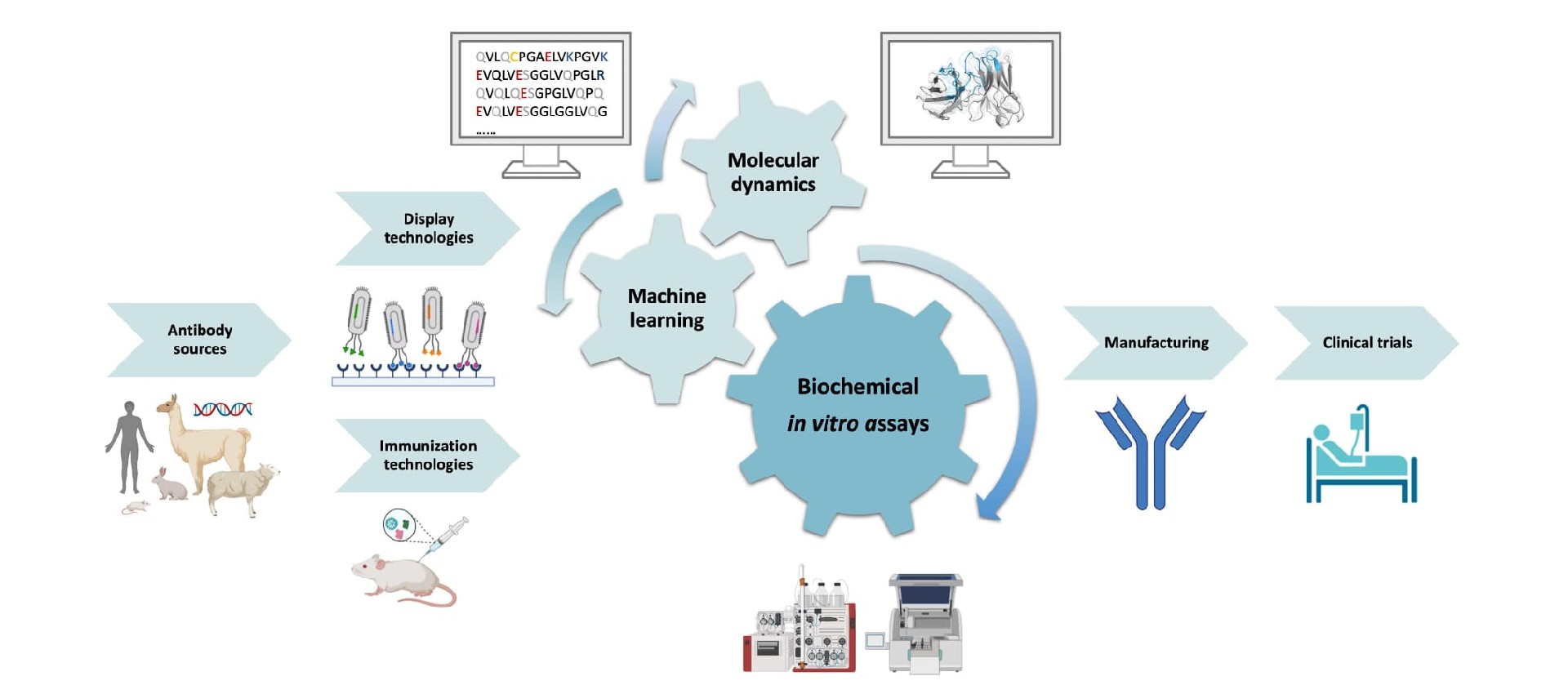
For an antibody candidate, strong target binding is only part of the path toward……
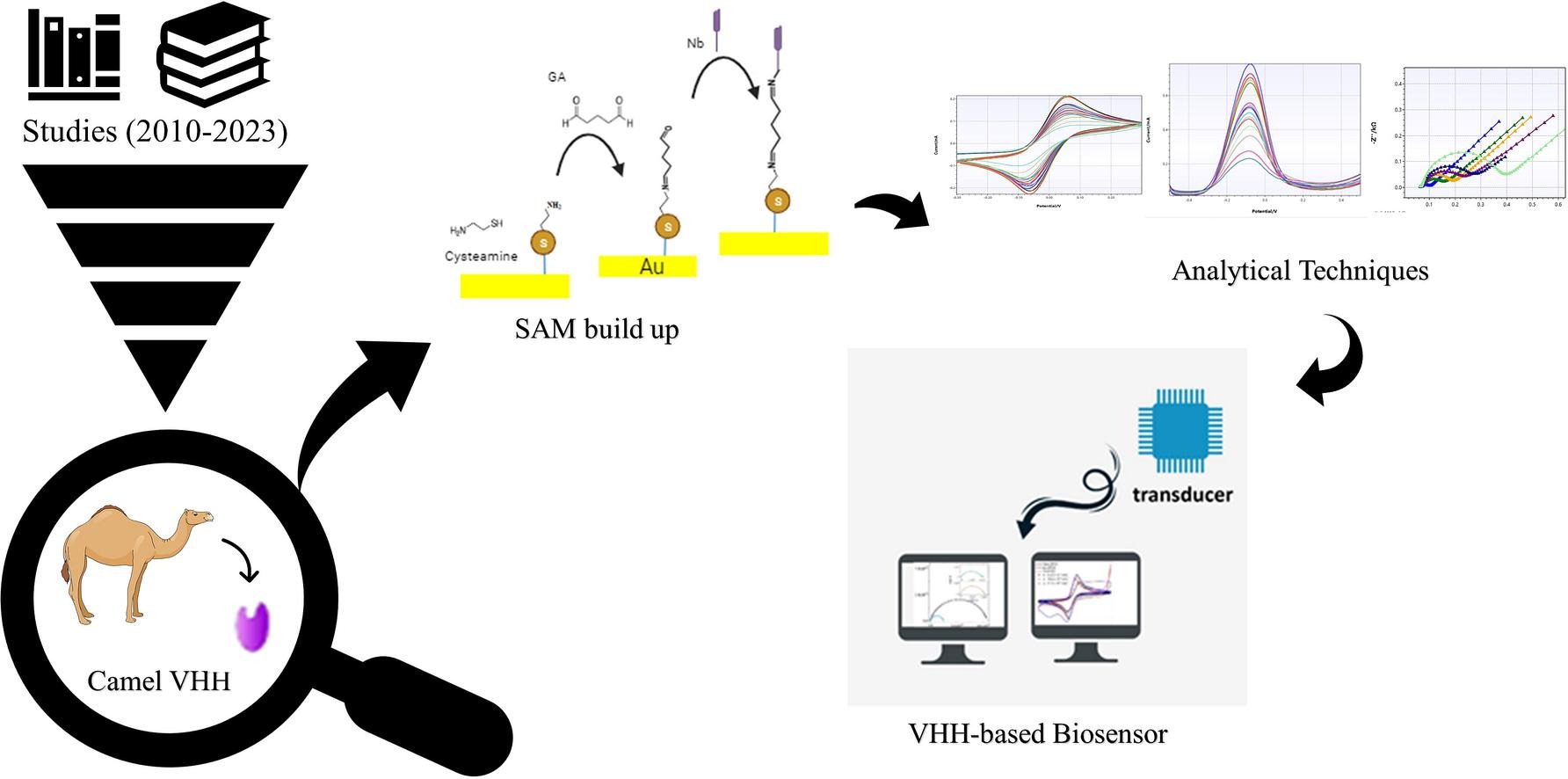
Explore VHH-based biosensors for high-sensitivity detection using nanobodies in ……
Biointron’s Antibodies After Hours: BIO 2026 Reception was held at The Lion's Sh……
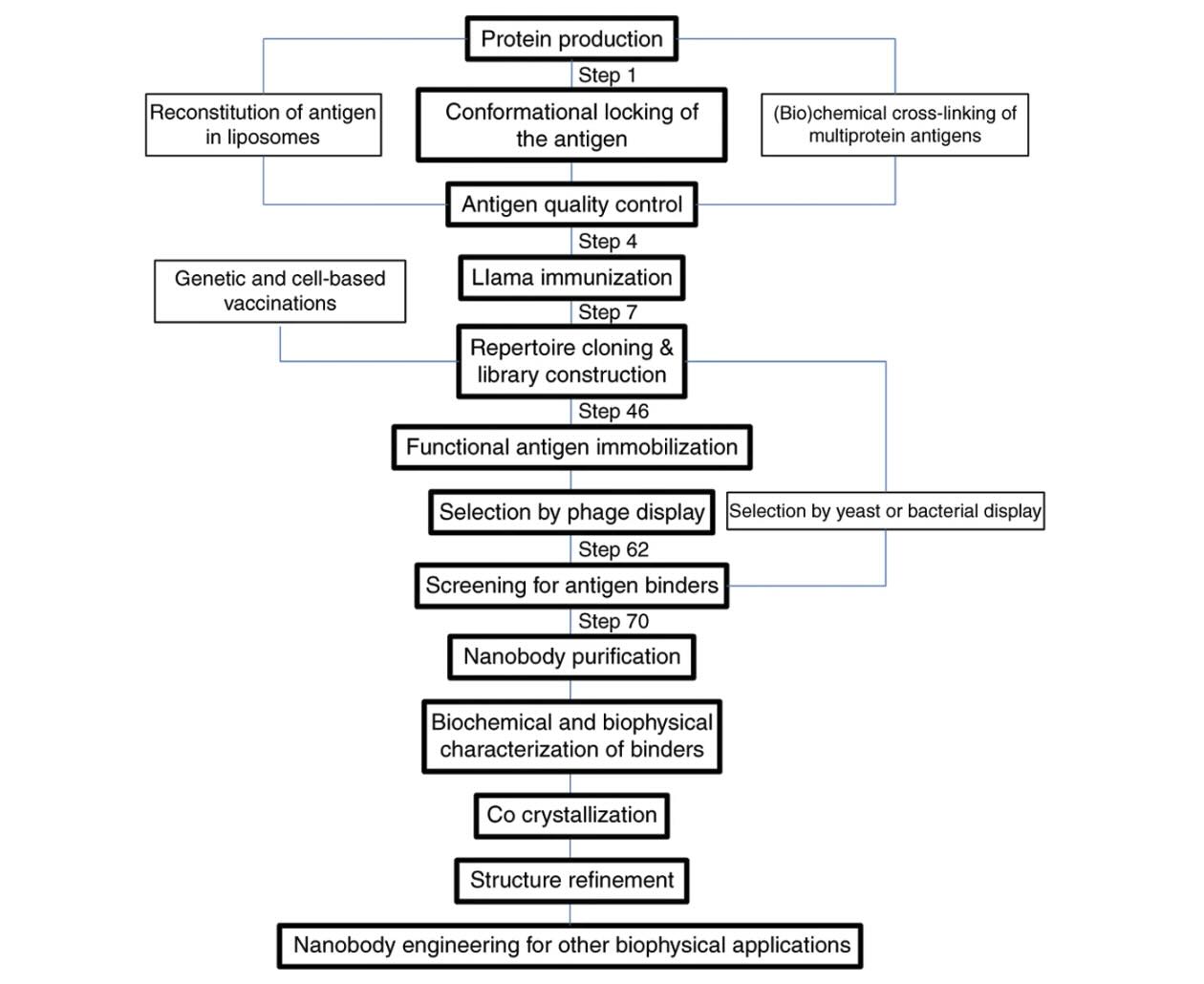
Explore how VHH antibodies stabilize protein conformations for crystallography, ……