



Antibodies are invaluable tools used for studying and characterizing various molecules and cellular processes. They can be generated through several methods, including animal immunization and in vitro techniques. However, the majority of antibodies used by researchers are animal-derived, and it is essential for scientists to consider the ethics associated with it.
Polyclonal, monoclonal, and recombinant antibodies can be produced via animal immunization. Polyclonal antibodies derived in this way are relatively cheap, do not require advanced technical skills, and have heterogeneity that can be advantageous for recognizing multiple epitopes. Meanwhile, monoclonal antibodies are obtained from single-cloned B cells and have high specificity to a single epitope. Recombinant antibodies are also derived from cloning antibody genes from hybridomas, single B-cell cloning, or generating antibody gene libraries from immunized animal B cells.1
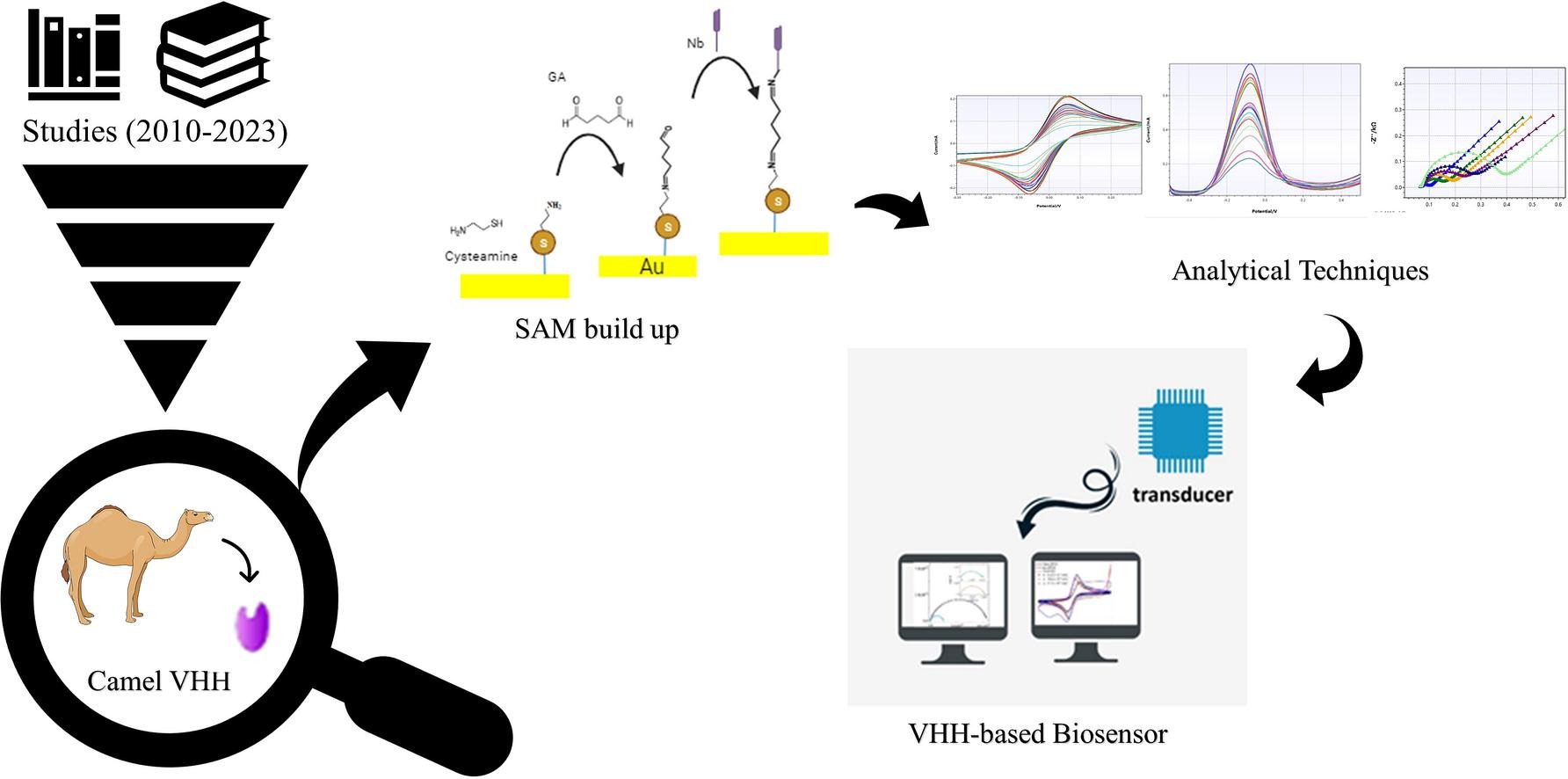
Camelids such as alpacas are used to generate VHH libraries, as they naturally produce heavy chain-only antibodies. VHHs, or single domain on a heavy chain (VHH) antibodies, are derived by immunizing camelids with the target protein and offer unique characteristics which are particularly advantageous for therapeutics, diagnostics, and research tools. This is due to their small size and structure which allows them to penetrate tissues and reach targets that may be challenging for conventional antibodies, in addition to their stability and ability to bind with high affinity to specific targets.2
It is important to consider the ethics of animal use when using antibodies in research, as well as following the “3Rs” principles (Replacement, Reduction, and Refinement). Implementing these principles can significantly reduce the number of animals used to the minimum necessary, refine experimental procedures, and enhance animal welfare by minimizing any pain or distress to which they are exposed.3 Proper experimental design must also be followed by choosing the appropriate antibodies, keeping rigorous validation procedures, and determining sample size.
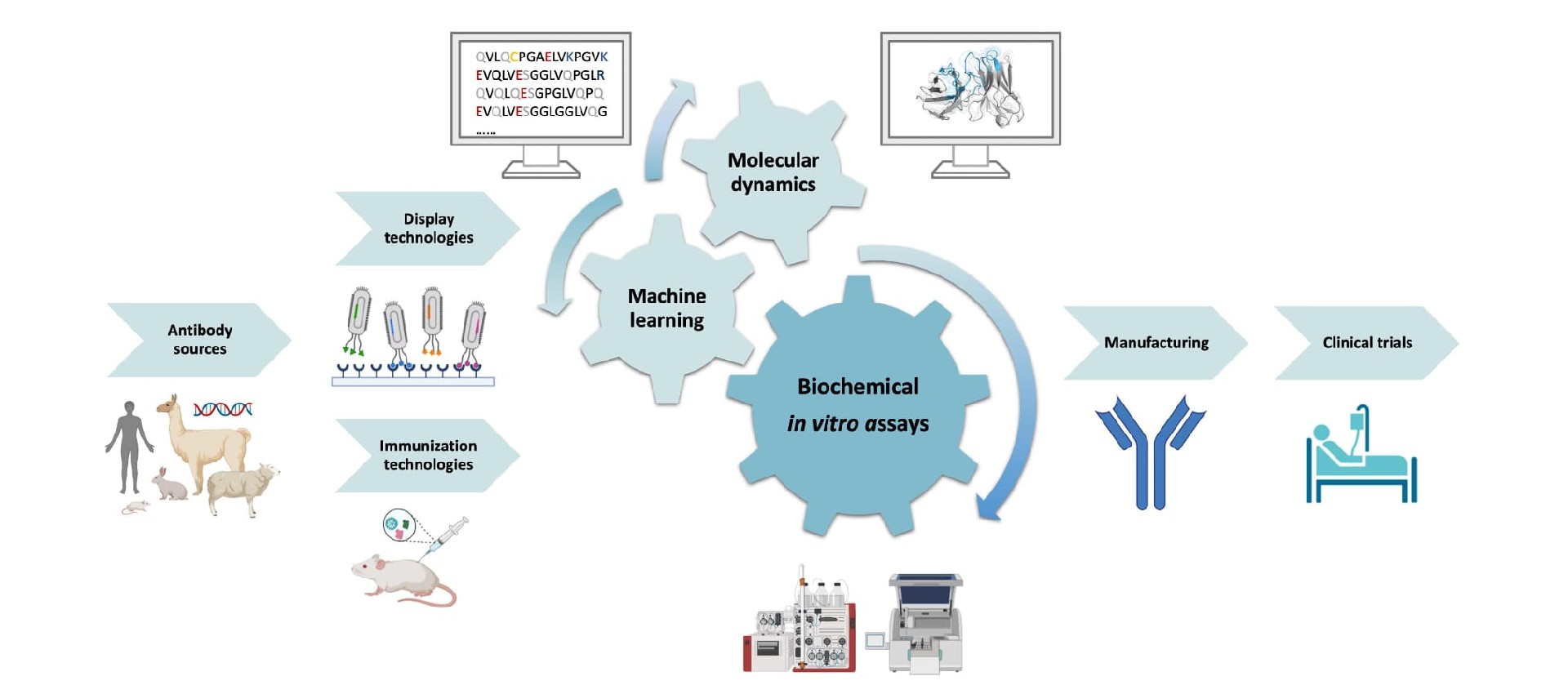
Alternative methods do exist for antibody production, such as in vitro techniques and computational models. Recombinant antibodies can be generated using in vitro methods, such as phage and yeast display. High-diversity gene libraries may be generated by cloning antibody gene repertoires from B cells of an unimmunized human donor. It may also be generated by oligonucleotide synthesis through bioinformatic analysis of antibody sequences.1
At Biointron, we provide in vitro services, as well as antibody discovery and production from our own alpaca farm. Our commitment to animal welfare guarantees that our alpacas are well-cared for, resulting in high-quality products that you can trust. We ensure proper health monitoring, veterinary care, ethical handling, and compliance with animal welfare standards.
We are dedicated to accelerating antibody discovery, optimization, and production. Our team of experts can provide customized solutions that meet your specific research needs. Contact us to learn more about our services and how we can help accelerate your research and drug development projects.
Gray, A., Bradbury, A. R., Knappik, A., Plückthun, A., Borrebaeck, C. A., & Dübel, S. (2020). Animal-free alternatives and the antibody iceberg. Nature Biotechnology, 38(11), 1234-1239. https://doi.org/10.1038/s41587-020-0687-9
Hamers-Casterman, C., Atarhouch, T., Muyldermans, S., Robinson, G., Hamers, C., Songa, E. B., Bendahman, N., & Hamers, R. (1993). Naturally occurring antibodies devoid of light chains. Nature, 363(6428), 446–448. https://doi.org/10.1038/363446a0
Ferdowsian, H. R., & Beck, N. (2011). Ethical and Scientific Considerations Regarding Animal Testing and Research. PLoS ONE, 6(9). https://doi.org/10.1371/journal.pone.0024059
For an antibody candidate, strong target binding is only part of the path toward……
Explore VHH-based biosensors for high-sensitivity detection using nanobodies in ……
Biointron’s Antibodies After Hours: BIO 2026 Reception was held at The Lion's Sh……
Explore how VHH antibodies stabilize protein conformations for crystallography, ……