


The AACR Annual Meeting 2026 was held in San Diego, CA, from April 17–22, 2026, bringing together global leaders in cancer research, drug development, and translational medicine. AACR showcased advances in tumor biology, immunotherapy, precision medicine, and emerging therapeutic modalities, with a strong focus on translating mechanistic insights into next-generation cancer therapies.
ADCs are shifting toward multi-functional payloads (immune, signaling, degradation) in addition to cytotoxicity
Antibody therapeutics are converging with protein degradation and proximity pharmacology
The tumor microenvironment is a primary target space
Clinical antibody development is becoming biomarker- and combination-first by design
Immune-stimulating ADCs (ISACs) designed to activate local immune responses
Kinase inhibitor-based ADCs enabling targeted intracellular pathway modulation
Degrader-antibody conjugates (DACs) enabling cell-selective protein degradation
Shift toward event-driven mechanisms (induce degradation/interactions) vs. traditional inhibition
Clinical-stage antibodies targeting CCR8 and IGSF8, expanding beyond classical checkpoints
Dual-target strategies (e.g., integrin αvβ8/αvβ1) for multi-pathway modulation
New antibodies positioned as add-ons to PD-1/PD-L1 backbones
Macrophage-targeting strategies shifting toward functional reprogramming instead of depletion
Fibroblast heterogeneity identified as a driver of therapy response and resistance
ECM remodeling linked to drug penetration, immune exclusion, and metastasis
Antibody targets expanding to stromal and non-tumor compartments
Logic-gated immune cells introducing programmable, antibody-like targeting systems
NK cell therapies adopting targeting strategies aligned with antibody engineering
Increasing overlap between antibody design and engineered cell therapies
ADC development incorporating functional response biomarkers
Spatial multi-omics enabling in situ mapping of target expression and immune context
ctDNA and dynamic biomarkers used for real-time treatment monitoring
Resistance mechanisms (e.g., RAS, Hippo/YAP pathways) informing upfront combination design
Combinations (antibody + IO + targeted therapy) becoming standard development strategy
Shift from sequential therapy → designed multi-agent regimens
Emergence of DACs, RIPTACs, and proximity-based therapeutics
Antibodies increasingly used as targeted delivery systems for novel mechanisms
Expansion toward previously undruggable intracellular targets
AI-enabled single-cell and 3D tumor mapping informing target discovery
Integration of multimodal data (genomics, imaging, clinical) to guide therapy design and stratification
Shift toward data-first discovery workflows
Thank you to everyone who visited our booth at AACR 2026 to learn about our services! We had a fantastic time chatting with you and how it can help you achieve antibody development. Our expert team would be happy to answer any follow-up questions. Feel free to email us at info@biointron.com or visit our website at www.biointron.com.


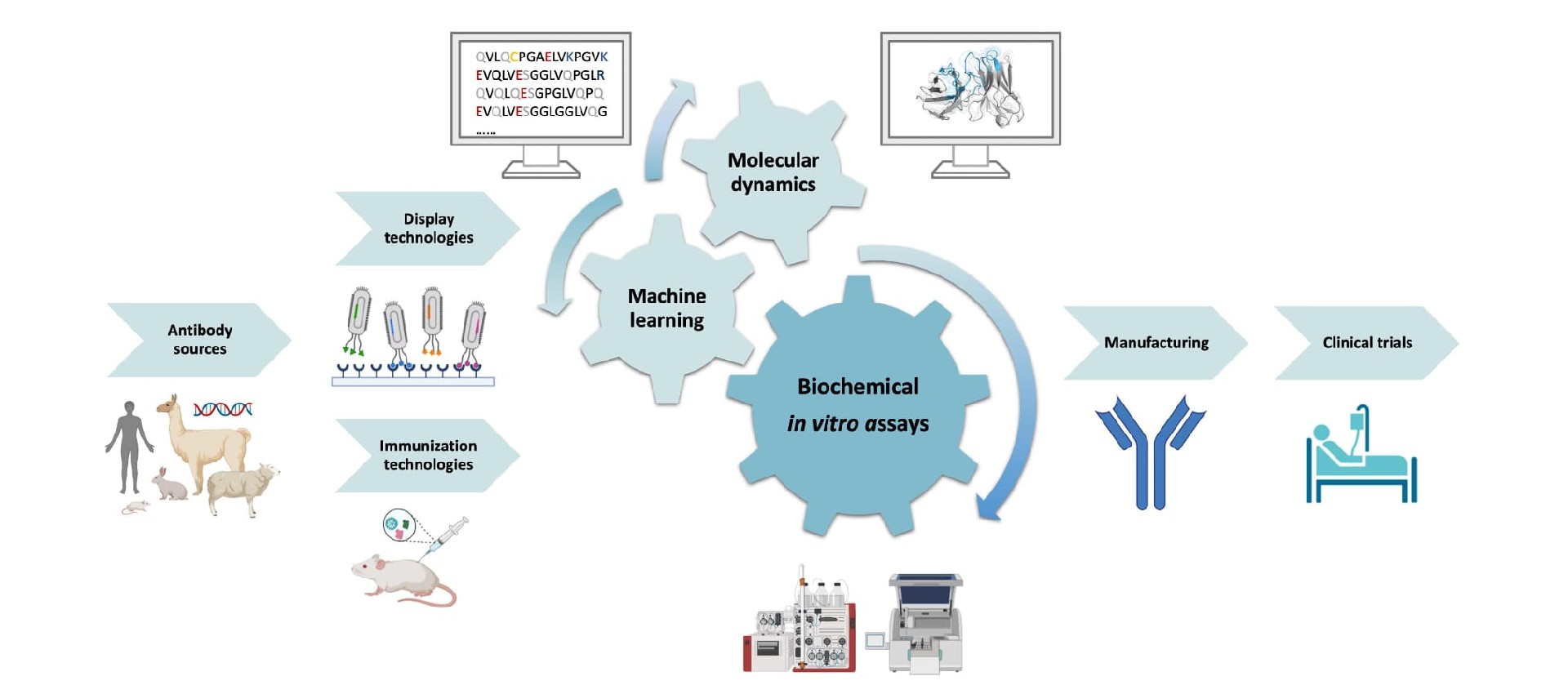
For an antibody candidate, strong target binding is only part of the path toward……
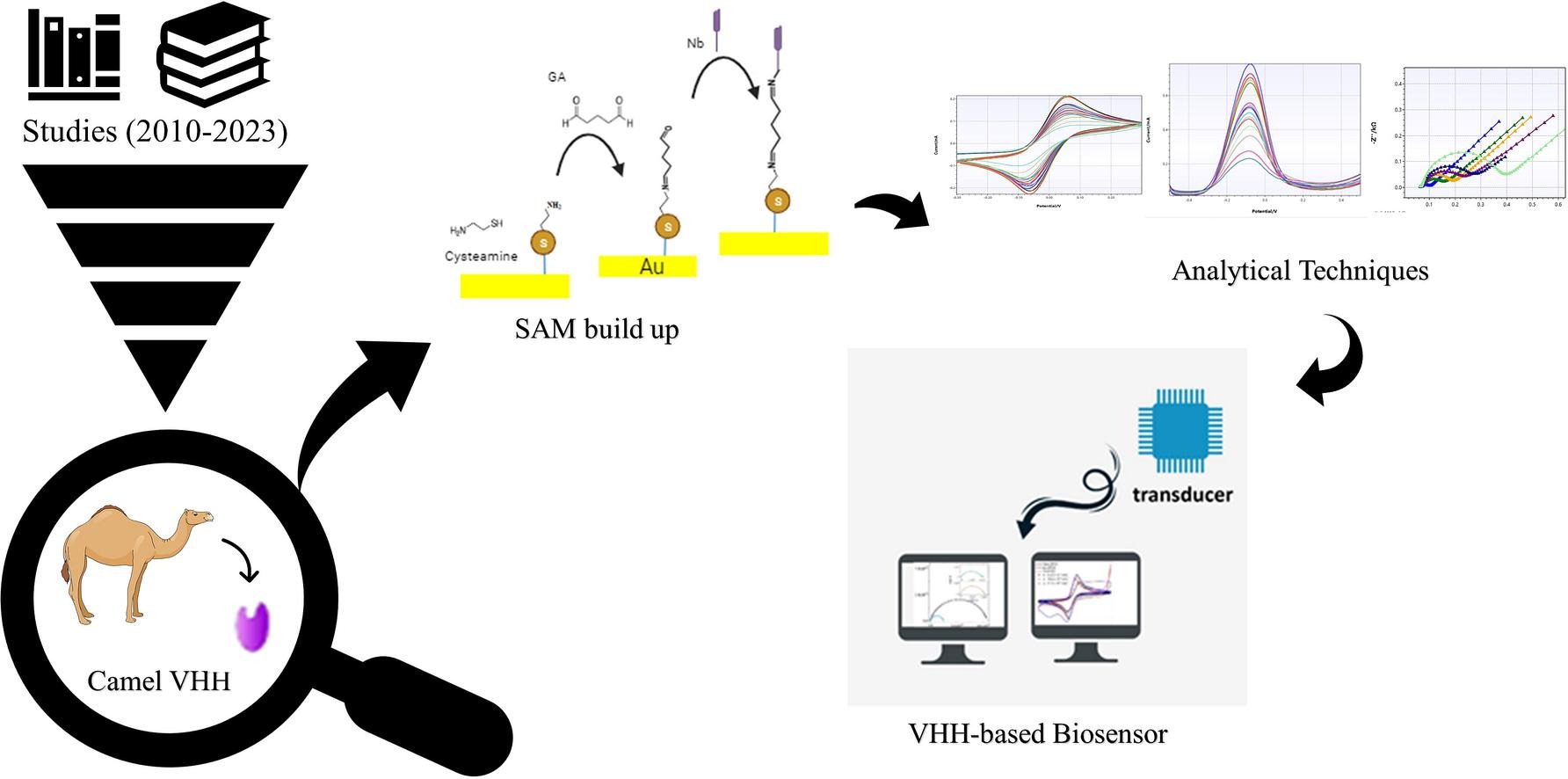
Explore VHH-based biosensors for high-sensitivity detection using nanobodies in ……
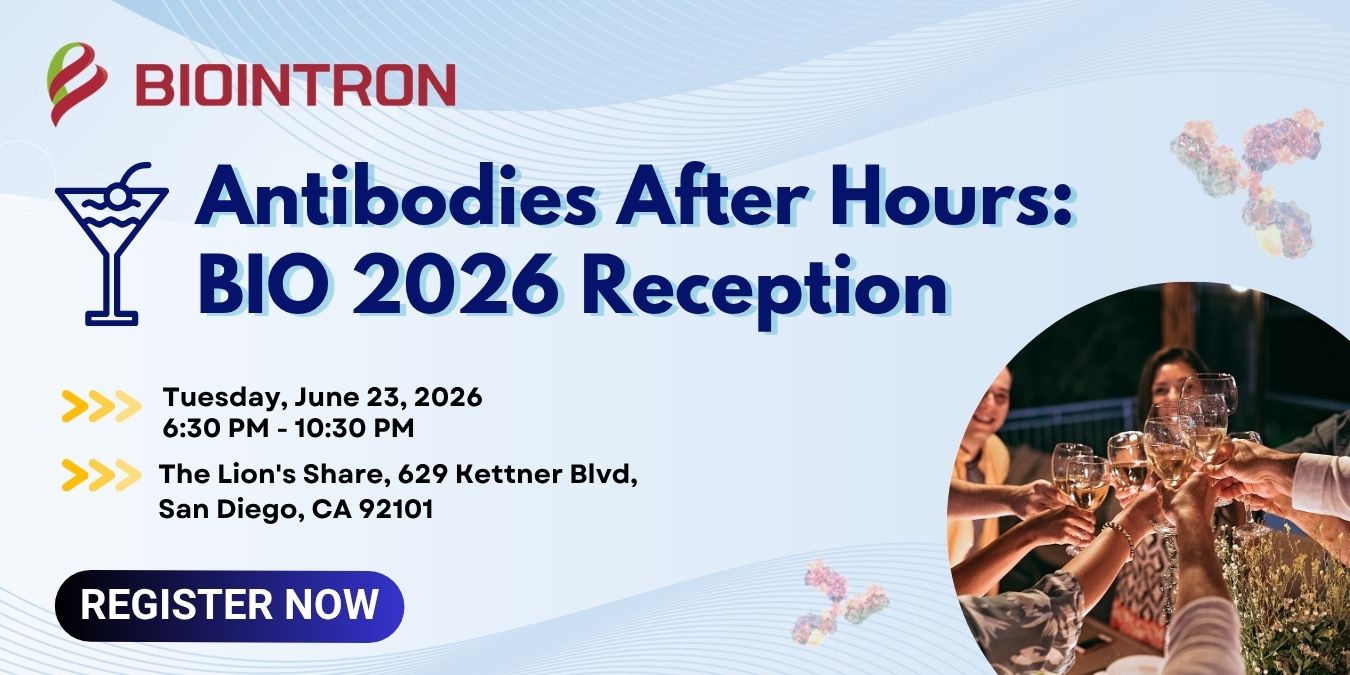
Biointron’s Antibodies After Hours: BIO 2026 Reception was held at The Lion's Sh……
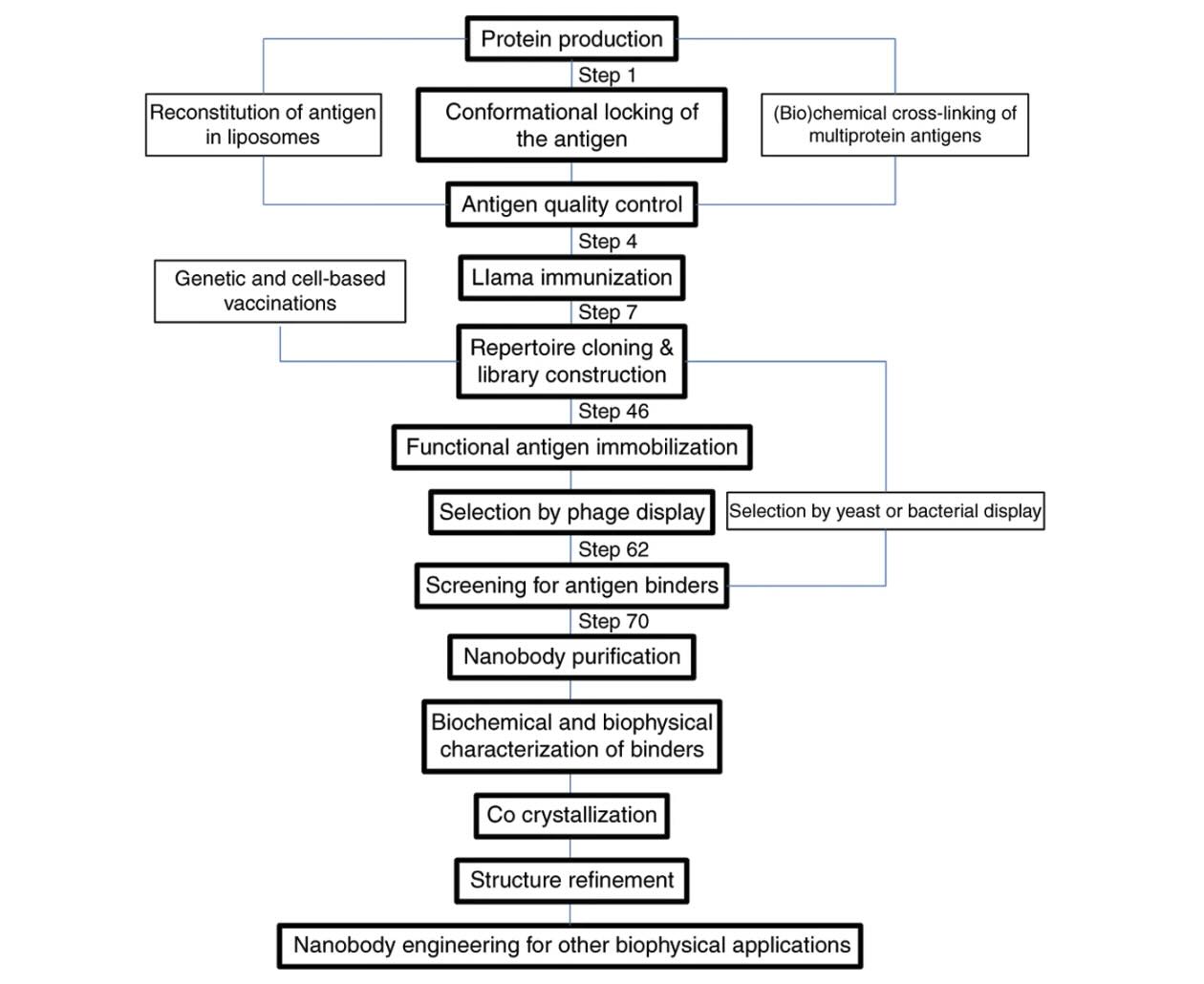
Explore how VHH antibodies stabilize protein conformations for crystallography, ……