


Affinity maturation is a process of improving antibody affinity and binding interactions to target antigen. This is done naturally in vivo through mechanisms of somatic hypermutation and clonal selection in mammalian B cells but can also be achieved in vitro by artificial mutagenesis introduction and selection.
Affinity maturation occurs within germinal centers (GCs), located in secondary lymphoid tissues such as lymph nodes. The process begins when naïve or memory B cells are activated by viral antigens introduced through infection or vaccination, and these activated B cells migrate into the GC, where they undergo repeated cycles of mutation and selection to increase their antigen-binding affinity.
The GC is organized into two zones: dark and light. In the dark zone, B cells proliferate and undergo somatic hypermutation (SHM), a process that introduces point mutations into the variable regions of immunoglobulin genes. This mutation process is mediated by activation-induced cytidine deaminase (AID) and generates a diverse set of B cell receptors (BCRs) with varying antigen-binding affinities.
Following mutation, B cells enter the light zone, where they encounter antigen displayed on the surface of follicular dendritic cells. These B cells compete to capture and internalize the antigen and then present processed peptide fragments to T follicular helper cells. The extent of antigen capture determines the amount of T cell help a B cell receives, which in turn influences its survival and the likelihood of re-entering the dark zone for further SHM.
B cells that express higher-affinity BCRs are more successful in this selection process. Approximately 90% of selected B cells return to the dark zone for additional rounds of mutation and selection, while the remaining 10% exit the GC and differentiate into long-lived plasma cells or memory B cells.
This iterative cycling can continue for weeks during acute infection or vaccination, and for much longer in chronic infections. Over time, the result is a pool of B cells producing antibodies with substantially increased affinity, which are often several orders of magnitude higher than their naïve precursors. This tightly regulated process ensures that only B cells with improved affinity survive and expand, forming the basis for high-affinity, antigen-specific immune responses.

Related: Affinity Maturation
The biological purpose of affinity maturation is to optimize the antibody response for better specificity, binding strength, and antiviral functionality. This process is essential for the development of antibodies that can neutralize viruses effectively and perform Fc-mediated functions such as antibody-dependent cell-mediated cytotoxicity (ADCC). In the case of variable pathogens like HIV-1 and influenza, affinity maturation is particularly important for the generation of broadly neutralizing antibodies (bNAbs), which target conserved regions across diverse viral strains.
Not all antibodies generated through infection or vaccination possess the desired functional properties. While many antibodies can bind viral proteins, only a subset are capable of neutralization, and an even smaller fraction are broadly neutralizing. Selection in germinal centers is driven by affinity for the presented antigen rather than by properties like cross-strain neutralization, which are typically measured in vitro. As a result, antibodies with high SHM levels do not always translate to functional superiority.
Studies of HIV-1-specific and influenza-specific antibodies have shown that within the same antibody lineage, variants with similar SHM levels can differ significantly in neutralization breadth and potency. This indicates that while SHM is necessary, the trajectory of affinity maturation must be appropriately directed. In some cases, affinity maturation may proceed along paths that lead to less functional or narrowly reactive antibodies, depending on the nature of the immunogen and the structure of the antigen encountered during selection.

Affinity maturation also supports the formation of long-lived plasma cells and memory B cells, which contribute to durable immunity. The selection process ensures that only B cells with the highest-affinity receptors persist, enabling a rapid and effective response upon re-exposure to the same or a related pathogen. In this way, affinity maturation enhances both the immediate quality and the long-term stability of the humoral immune response.
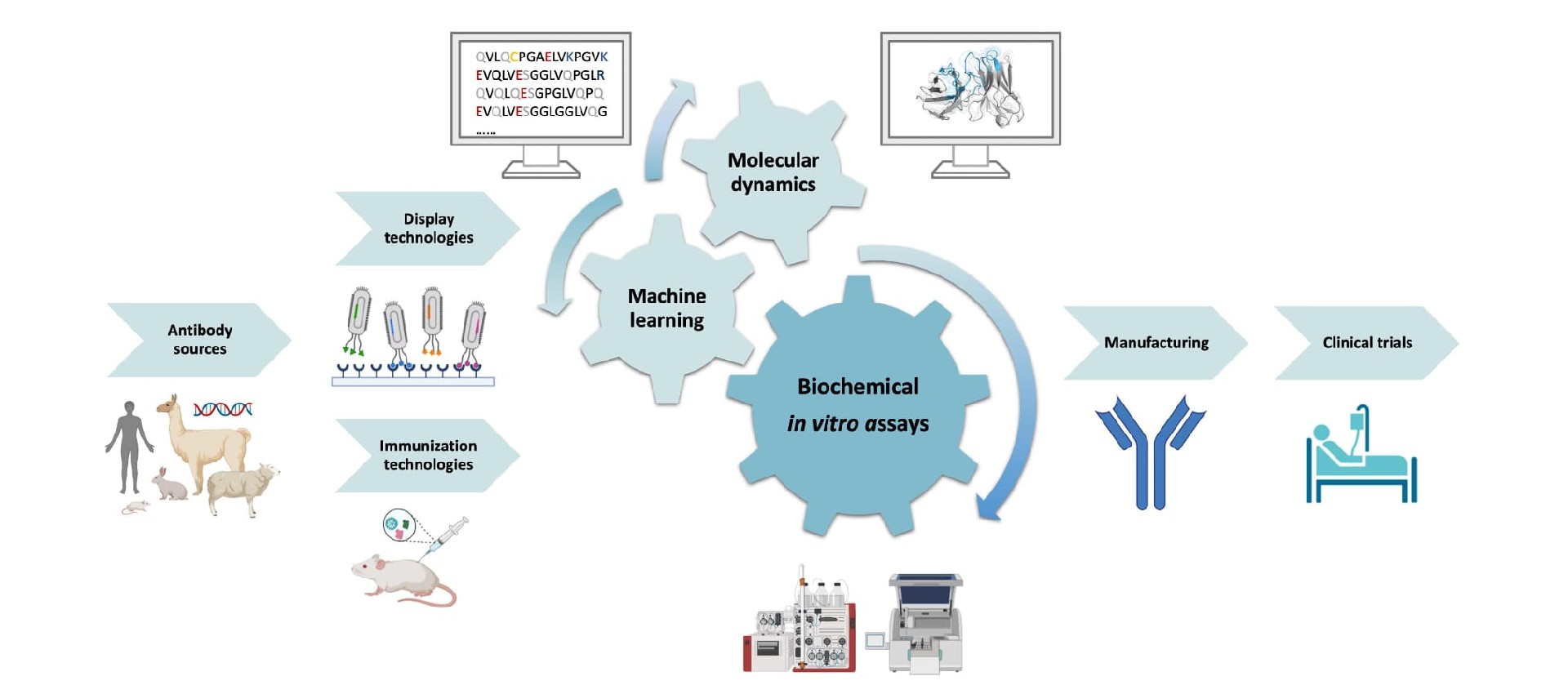
In therapeutic antibody development, in vitro affinity maturation is often necessary to improve the binding characteristics of lead candidates isolated from phage display, immunization, or other selection platforms. This process is conceptually similar to the natural SHM and selection that occurs in germinal centers, but is implemented through directed evolution using artificial diversification and screening systems.
In vitro affinity maturation typically begins with sequence diversification of the antibody variable regions, particularly the six complementarity-determining regions (CDRs). Traditional approaches have involved site-directed mutagenesis or error-prone PCR focused on individual CDRs, followed by selection for improved binding. However, other strategies have been developed to explore larger sequence and structural spaces. One such approach involves the recombination of mutations across multiple CDRs using DNA shuffling and staggered extension processes (StEP). These methods allow for the generation of antibody variants with distributed mutations across the variable region in an unbiased manner, providing access to combinatorial diversity that would be difficult to achieve with localized mutagenesis alone.
Display platform choice is another factor in the success of affinity maturation. Typical systems involve phage and yeast display which offer library sizes of ~10⁸–10⁹. However, cell-free systems such as ribosome and mRNA display are also being developed which may accommodate larger libraries. These platforms are well suited for selections involving libraries derived from recombination, insertion-deletion mutagenesis, or chain shuffling.

To improve diversification efficiency, techniques such as alanine scanning to define permissive sites, “look-through” mutagenesis with reduced amino acid alphabets, and tailored residue substitution based on natural CDR diversity have been developed. These methods aim to expand positional coverage while maintaining manageable library sizes.
In addition, framework regions, typically not targeted in conventional affinity maturation, are increasingly recognized as important contributors to antigen binding. Structural studies have shown that regions like the FR3 loop can play CDR-like roles in antigen recognition. Mutations in VH/VL framework regions, as well as isotype and Fc domain pairing, can also influence antigen engagement and overall antibody performance.
For therapeutic and diagnostic developers aiming to improve antibody performance, in vitro affinity maturation is a big step. Biointron’s FCMES-AM (Full Coverage Mammalian Expression System for Affinity Maturation) platform is designed to deliver high-performance antibodies suitable for therapeutic and diagnostic development. This platform applies a non-biased site saturation mutagenesis strategy across all six complementarity-determining regions (CDRs), covering approximately 60–70 amino acid positions in total. Each site is systematically mutated to the other 17 amino acids (excluding cysteine and methionine) at an equal theoretical frequency, enabling comprehensive exploration of the mutational space without bias.
Unlike traditional display-based maturation platforms, FCMES-AM operates entirely in a high-throughput mammalian expression system, ensuring native protein folding, proper glycosylation, and reliable functional output. This system eliminates artifacts commonly introduced by bacterial or yeast display technologies and supports accurate assessment of affinity and developability in a more physiologically relevant context.
Biointron’s platform is optimized for speed and precision. The full cycle, from the starting parental antibody to a panel of optimized, affinity-matured variants, can be completed in 2–3 months. This rapid turnaround is supported by our high-throughput (HTP) expression and screening capabilities in mammalian cells.
Key advantages of Biointron’s affinity maturation service include:
Full coverage of all six CDRs
Non-biased site saturation mutagenesis
Equal representation of 17 amino acid substitutions
No reliance on display systems
SPR, ELISA, and flow cytometry-based screening
Guaranteed ≥5-fold affinity improvement
Delivery in 6–8 weeks
To learn more or initiate a project, visit: Affinity Maturation
References:
Allen, C. D., Okada, T., & Cyster, J. G. (2007). Germinal Center Organization and Cellular Dynamics. Immunity, 27(2), 190. https://doi.org/10.1016/j.immuni.2007.07.009
Chan, D. T., & Groves, M. A. (2021). Affinity maturation: Highlights in the application of in vitro strategies for the directed evolution of antibodies. Emerging Topics in Life Sciences, 5(5), 601. https://doi.org/10.1042/ETLS20200331
Doria-Rose, N. A., & Joyce, M. G. (2015). Strategies to guide the antibody affinity maturation process. Current Opinion in Virology, 11, 137. https://doi.org/10.1016/j.coviro.2015.04.002
For an antibody candidate, strong target binding is only part of the path toward……
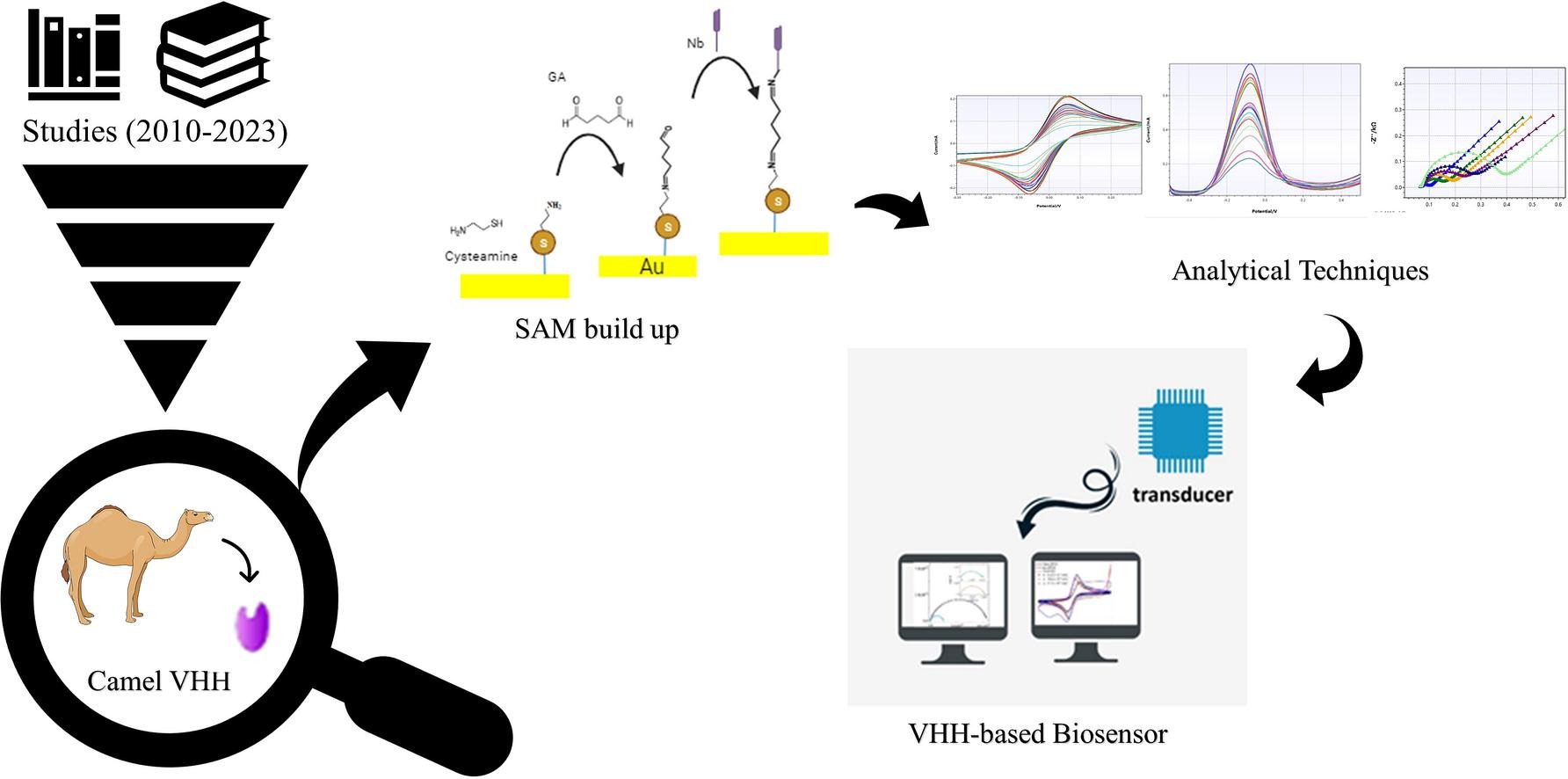
Explore VHH-based biosensors for high-sensitivity detection using nanobodies in ……
Biointron’s Antibodies After Hours: BIO 2026 Reception was held at The Lion's Sh……
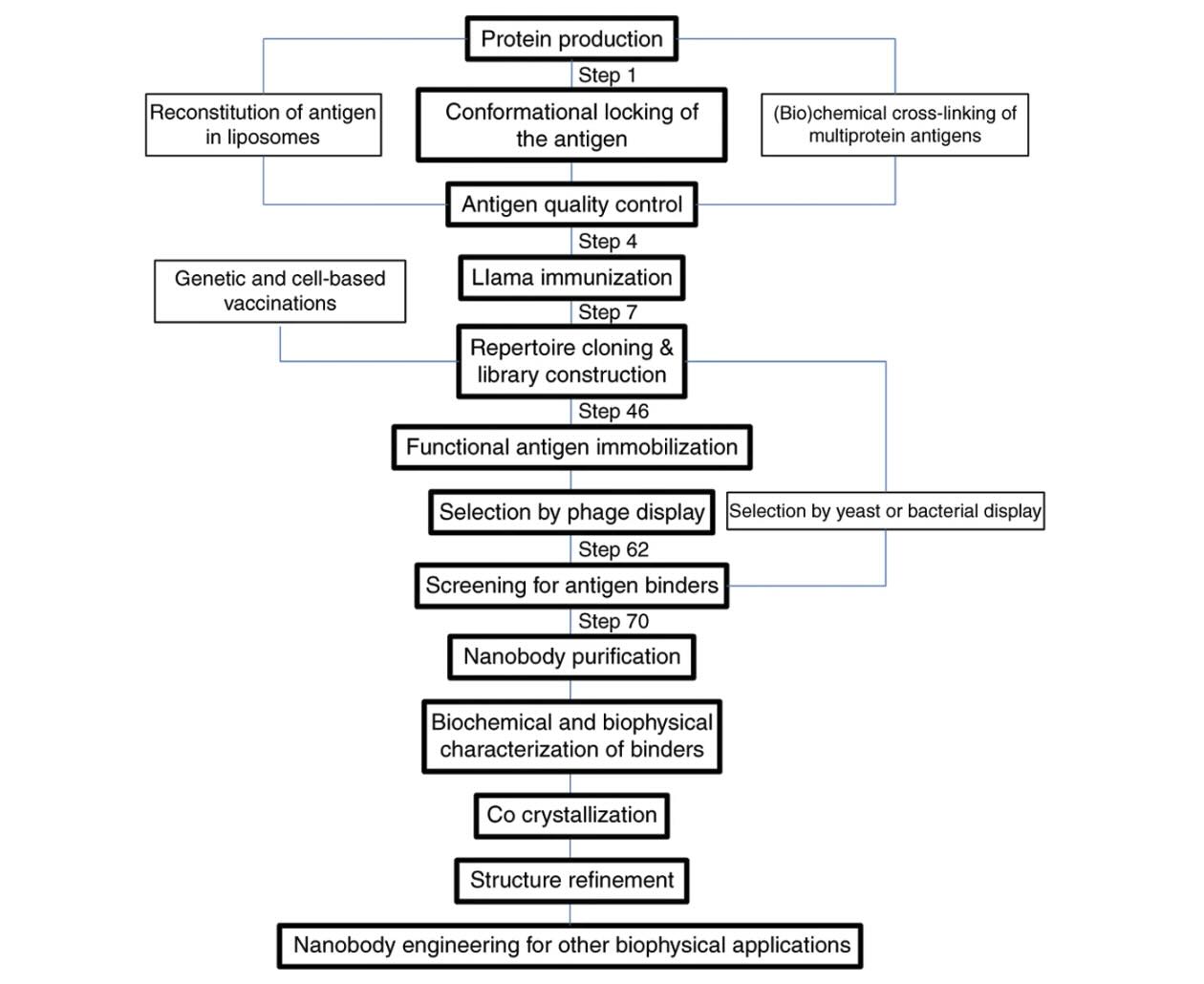
Explore how VHH antibodies stabilize protein conformations for crystallography, ……