


Biointron’s 2026 Lunch & Learn was held at CIC Cambridge, MA, on May 8, 2026. The session featured two guest speakers: Shashi Jatiani, PhD, Director of Strategic Partnerships at SeromYx Systems, and Lee Andrews, Associate Director of Bioanalytical Development at Visterra.
We thoroughly enjoyed hosting another highly engaging session with the local antibody and biotherapeutics community!

Biointron and Kactus welcomed attendees and introduced the focus of this Lunch & Learn: how deeper functional profiling and thoughtful assay design can support better decision-making across antibody development. From Fc-mediated effector functions to neutralizing antibody assay strategy, both presentations emphasized a central theme: early, mechanism-informed testing can help reduce risk and improve therapeutic design.
Biointron's SVP of R&D, Lei Shi, PhD described Biointron’s core services, such as:
Dr. Jatiani’s presentation focused on why Fc-mediated antibody functions should be measured early and comprehensively across both established and emerging antibody formats.
While the Fab region determines antigen binding, the Fc region mediates interactions with immune effector systems, including Fc receptors, FcRn, and complement protein C1q. These interactions can strongly influence therapeutic efficacy, pharmacokinetics, and safety. Dr. Jatiani emphasized that Fc biology is complex and often difficult to predict, especially as antibody formats become more engineered and multifunctional.
Using approved anti-CD20 monoclonal antibodies as a case study, he showed how antigen-specific Fc receptor and complement binding assays can correlate with functional outcomes such as ADCC, ADCP, ADCD, CDC, and neutrophil-mediated phagocytosis. He also discussed Fc profiling of HER2-targeting antibodies and ADCs, demonstrating how conjugation chemistry, payload properties, drug-to-antibody ratio, charge, hydrophobicity, and steric effects can alter Fc-mediated biology.
The presentation also highlighted Fc-modified antibodies designed to direct CAR-T cells, where comprehensive Fc profiling can help identify conjugation strategies that reduce unwanted Fc-effector activity while preserving desirable properties such as FcRn binding. Overall, Dr. Jatiani’s talk reinforced that early Fc-function profiling can provide mechanistic insight, support safer format design, and enable more data-driven candidate selection.

Andrews' presentation focused on the practical and scientific decisions involved in designing a cell-based neutralizing antibody assay for VIS171, a fusion protein containing a human IgG Fc domain and two G4S-tethered human IL-2 mutein domains.
Lee began by explaining why immunogenicity assessment is essential in biologic drug development. Immune responses against therapeutic proteins can affect both safety and efficacy by causing allergic reactions, accelerating drug clearance, reducing therapeutic effect through neutralization, or triggering autoimmune complications. For VIS171, cross-reactive neutralizing antibodies against human IL-2 were a key safety concern because the molecule contains an analog of an endogenous human protein.
The assay used an IL-2 reporter cell line to detect neutralizing antibodies against the IL-2 domain of VIS171. If no neutralizing antibodies are present, VIS171 activates the reporter cells and generates signal. If neutralizing antibodies are present, they block VIS171 activity and reduce signal output.
A central part of the talk focused on two assay design decisions: whether to use recombinant human IL-2 or intact VIS171 as the assay agonist, and whether to use a monoclonal or polyclonal antibody as the surrogate positive control. Although both recombinant IL-2 and VIS171 induced suitable cellular responses, VIS171 was selected because it better represented the administered therapeutic and enabled broader detection of neutralizing antibodies. For the surrogate positive control, a monoclonal antibody was chosen because it provided acceptable assay performance with lower reagent continuity risk than a polyclonal antibody.
The effective NAB assay design requires more than meeting technical guidance. Assays should reflect the therapeutic mechanism of action, account for clinically relevant safety concerns, and generate data that can meaningfully support patient protection and development decisions.
Afterwards, we held our raffle where our lucky winners received an Apple AirPods Max 2, Kindles, and antibody models!

Thank you to everyone who joined us at CIC Cambridge for this Lunch & Learn. We appreciated the thoughtful discussion and strong engagement from attendees throughout both sessions.
Biointron looks forward to continuing the Lunch & Learn Antibody Series and bringing together experts across antibody discovery, engineering, developability, bioanalysis, and therapeutic development.
Our expert team would be happy to answer any follow-up questions.
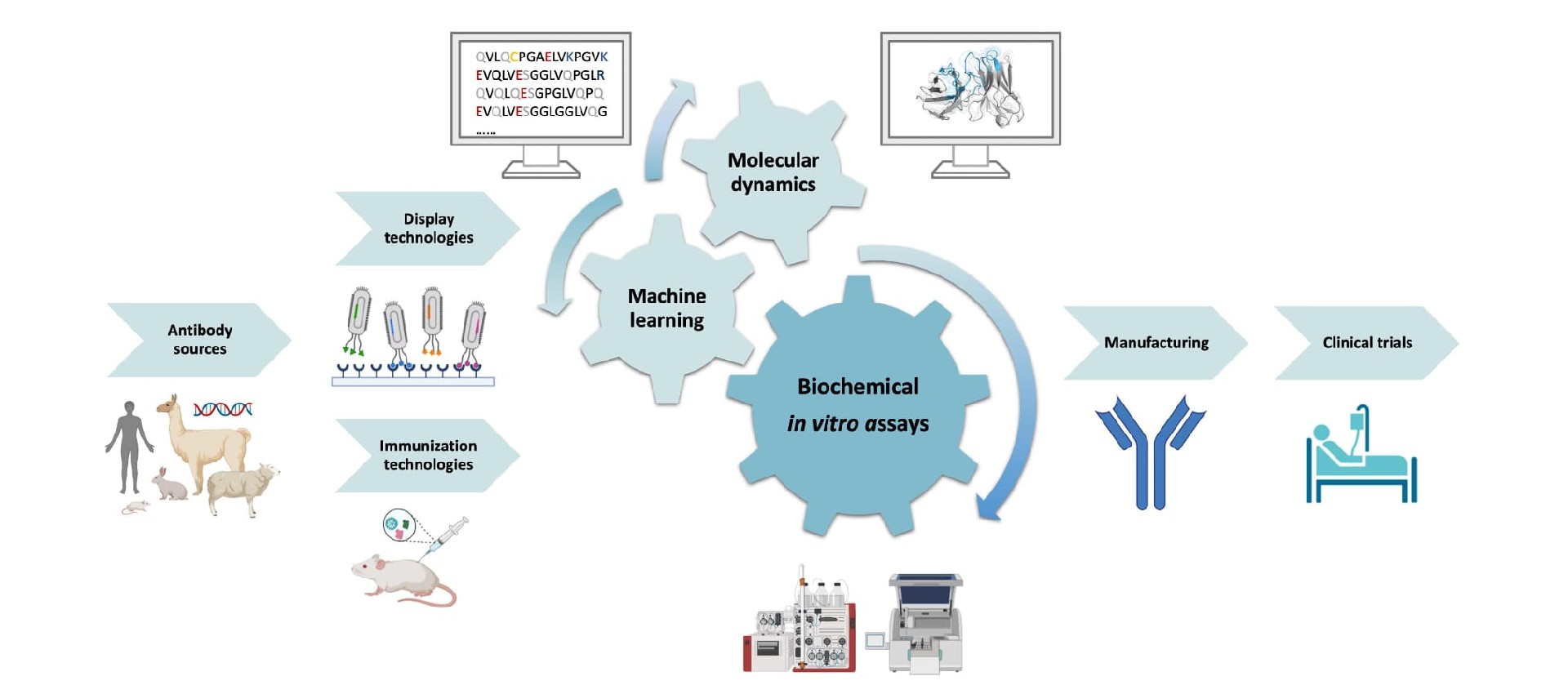
For an antibody candidate, strong target binding is only part of the path toward……
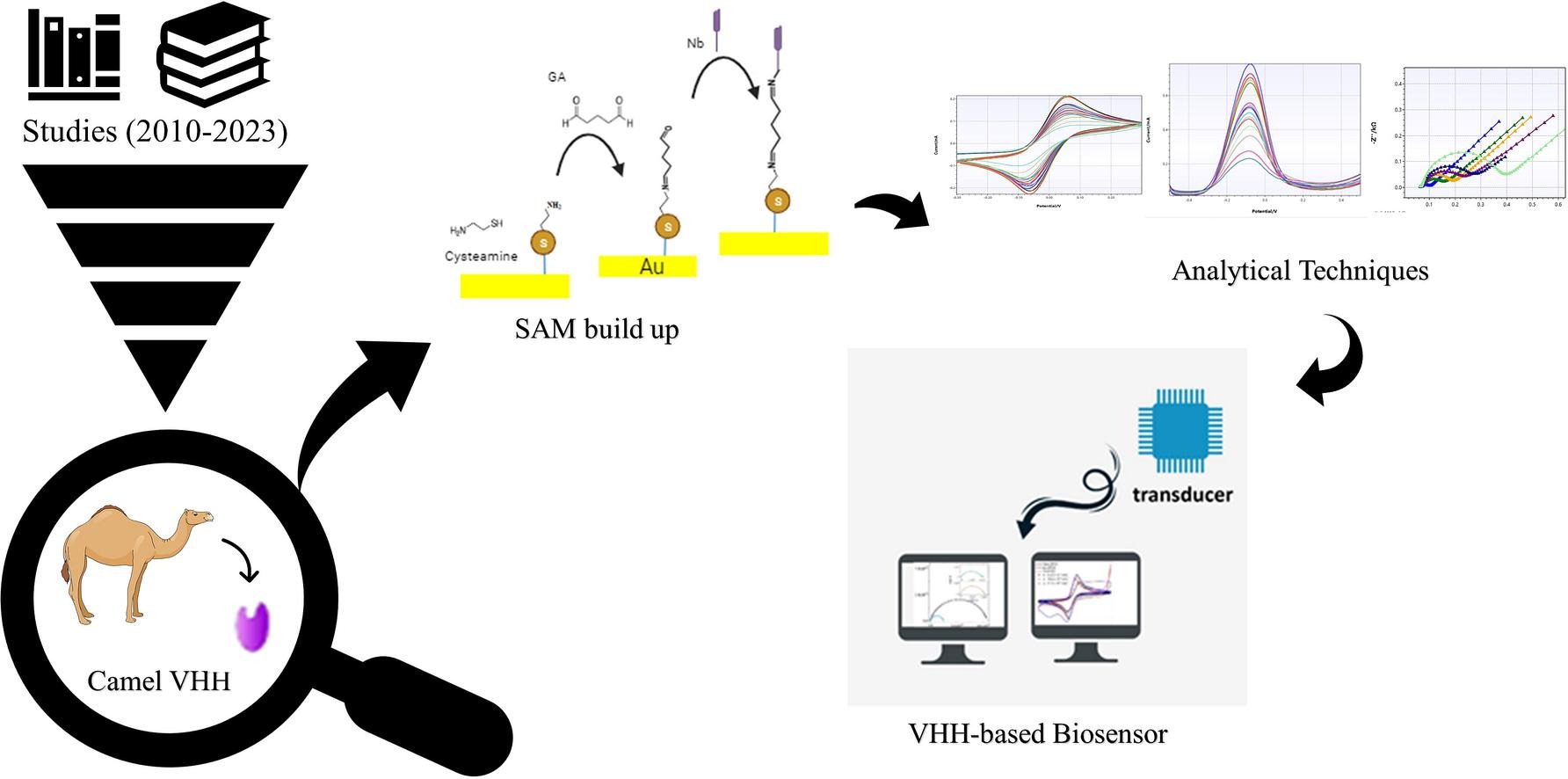
Explore VHH-based biosensors for high-sensitivity detection using nanobodies in ……
Biointron’s Antibodies After Hours: BIO 2026 Reception was held at The Lion's Sh……
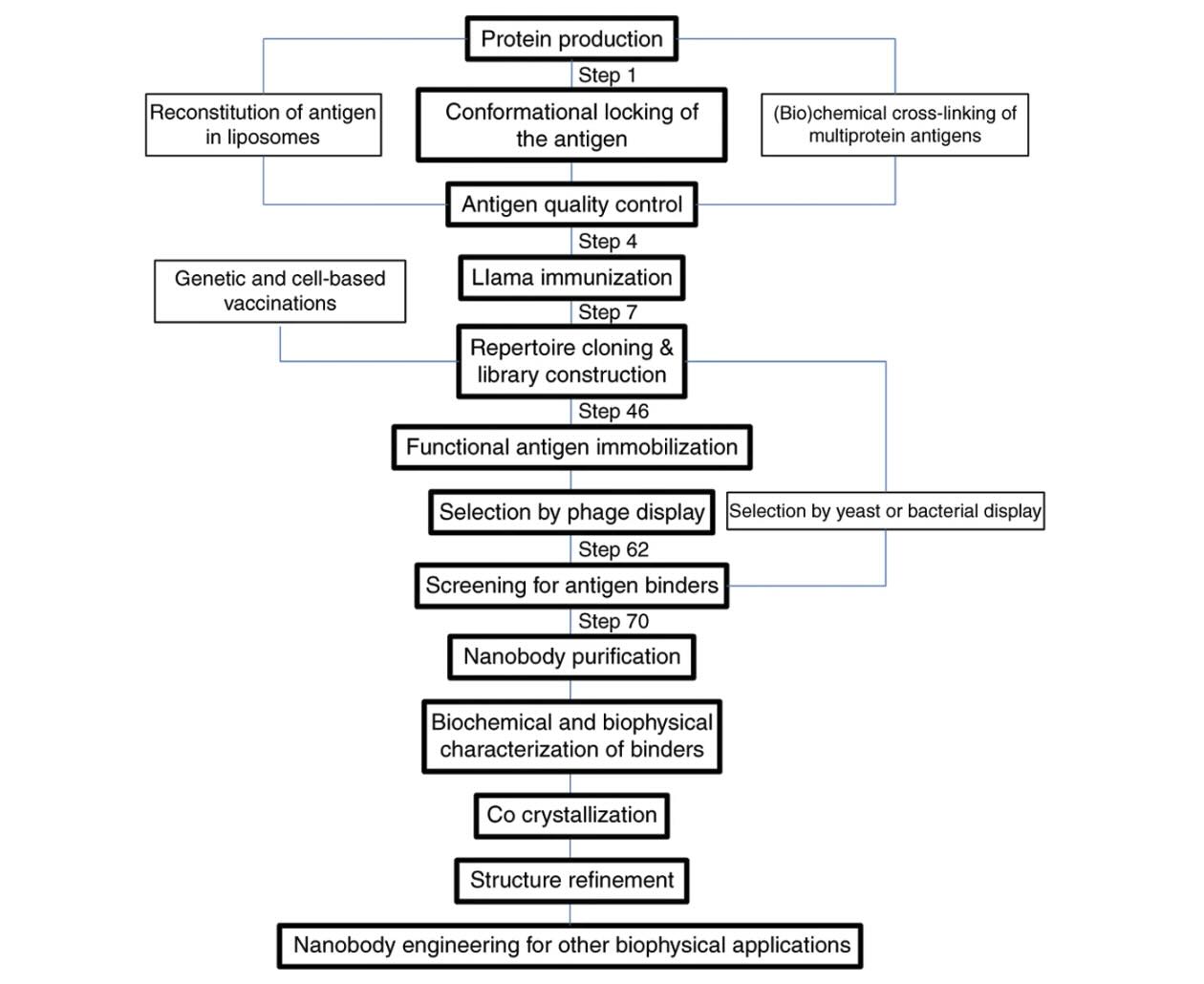
Explore how VHH antibodies stabilize protein conformations for crystallography, ……