


Thank you to everyone who came to our AACR 2026 Recap event, co-hosted with BioPlus Partners! We were thrilled to welcome an evening of high-quality discussion, networking, and collaboration. The evening opened with a wine reception, setting the stage for a dynamic program featuring:
Fireside chat on GI oncology exploring emerging targets, novel modalities including ADCs and TCEs, and key clinical insights (moderated by Jack Wu, PhD, MBA)
Panel on China early-stage clinical trials with practical perspectives on speed, cost advantages, and how global biotech and investors are leveraging China’s clinical ecosystem (moderated by Leon 'Jun' Tang, Ph.D.)
Lei Shi, PhD, SVP of Biointron, gave a talk on data-driven antibody discovery and development fueling the next generation of ML/AI driven discovery.
Panel on TCE & ADC “Dark Horses” highlighted next-generation trends, novel payloads, and emerging players shaping the oncology landscape
A special thank you to our distinguished speakers and moderators for driving such candid, insightful discussions!
Gastrointestinal (GI) cancer targets such as CLDN18.2 have progressed from early promise into partial clinical validation, signaling that the space is maturing. At the same time, newer targets, including CDH17, MUC17, and CEACAM5, are being studied for their improved tumor specificity.
There is growing exploration of novel payload classes for antibody-drug conjugates (ADCs), as well as early investigation into dual-payload approaches. These innovations are intended to better address tumor heterogeneity and resistance mechanisms, which are two of the most persistent challenges in oncology.
At the same time, the competitive landscape for ADCs is becoming increasingly crowded. Differentiation is central to both clinical success and commercial viability. This is pushing developers toward more complex design strategies at earlier stages.
New designs for T cell engagers (TCEs) are incorporating dual-targeting logic and conditional activation strategies, such as masking, to reduce on-target, off-tumor toxicity. This is particularly interesting for solid tumors where earlier generations faced safety limitations. These advances suggest a more controlled and tunable approach to T cell engagement. If successful, they could significantly expand the applicability of TCEs in challenging indications like GI cancers.
The role of early-stage data such as preclinical and early clinical results are now sufficient to drive investor interest and partnership discussions. However, stakeholders are placing greater emphasis on “dark horse” programs, which are assets and platforms defined by novel mechanisms or distinctly differentiated biology.
China is emerging as a key engine for early clinical development. Investigator-initiated trials (IITs) are enabling rapid and cost-efficient proof-of-concept generation. Increasingly, these early datasets are being used to support global licensing and co-development strategies.
At the same time, there is growing recognition that data must be interpreted within context. Differences in trial design, patient populations, and regulatory environments require a more nuanced, region-aware evaluation framework.
The insights from BioPlus Global Forum 2026 point to a field in transition. Next-generation antibody therapeutics are being shaped not only by advances in modalities like ADCs and TCEs, but also by earlier data signals, more sophisticated target biology, and a global shift in how and where innovation occurs.

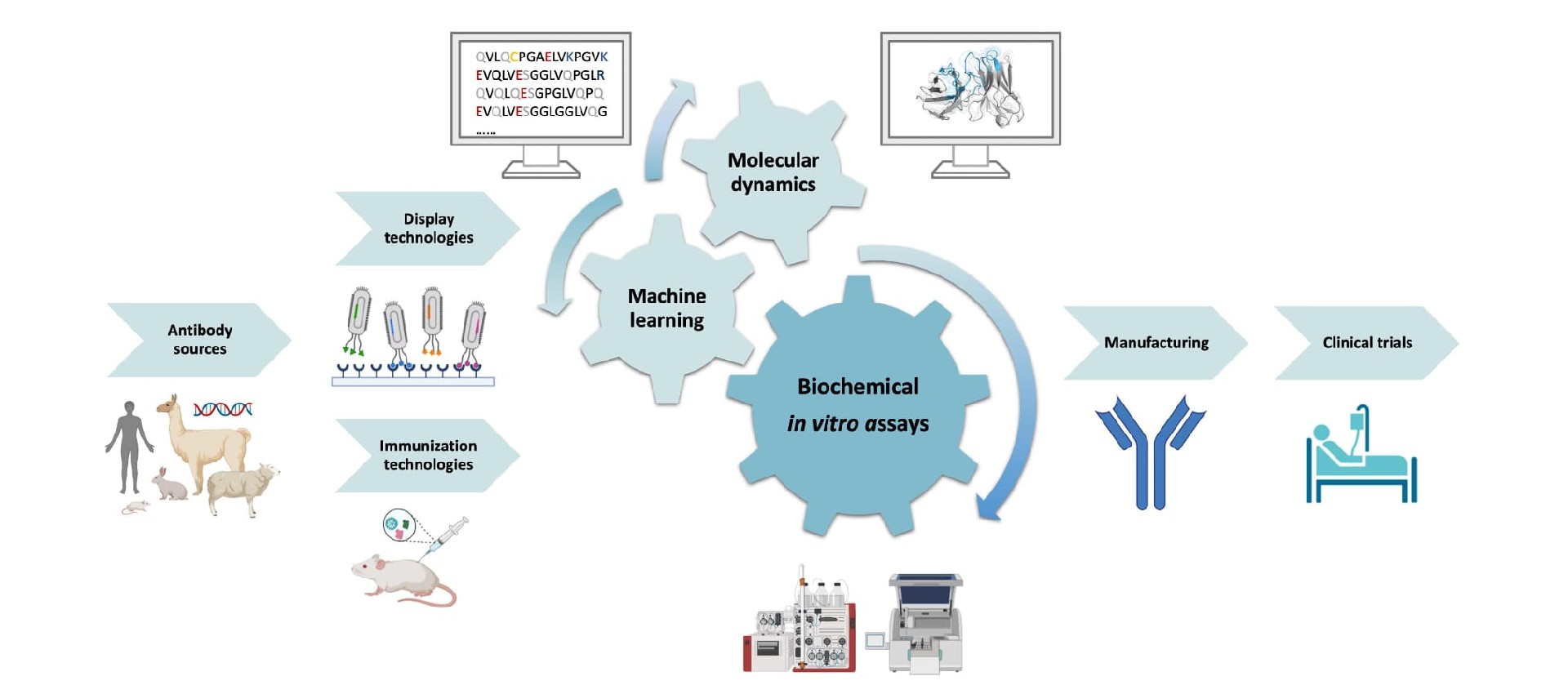
For an antibody candidate, strong target binding is only part of the path toward……
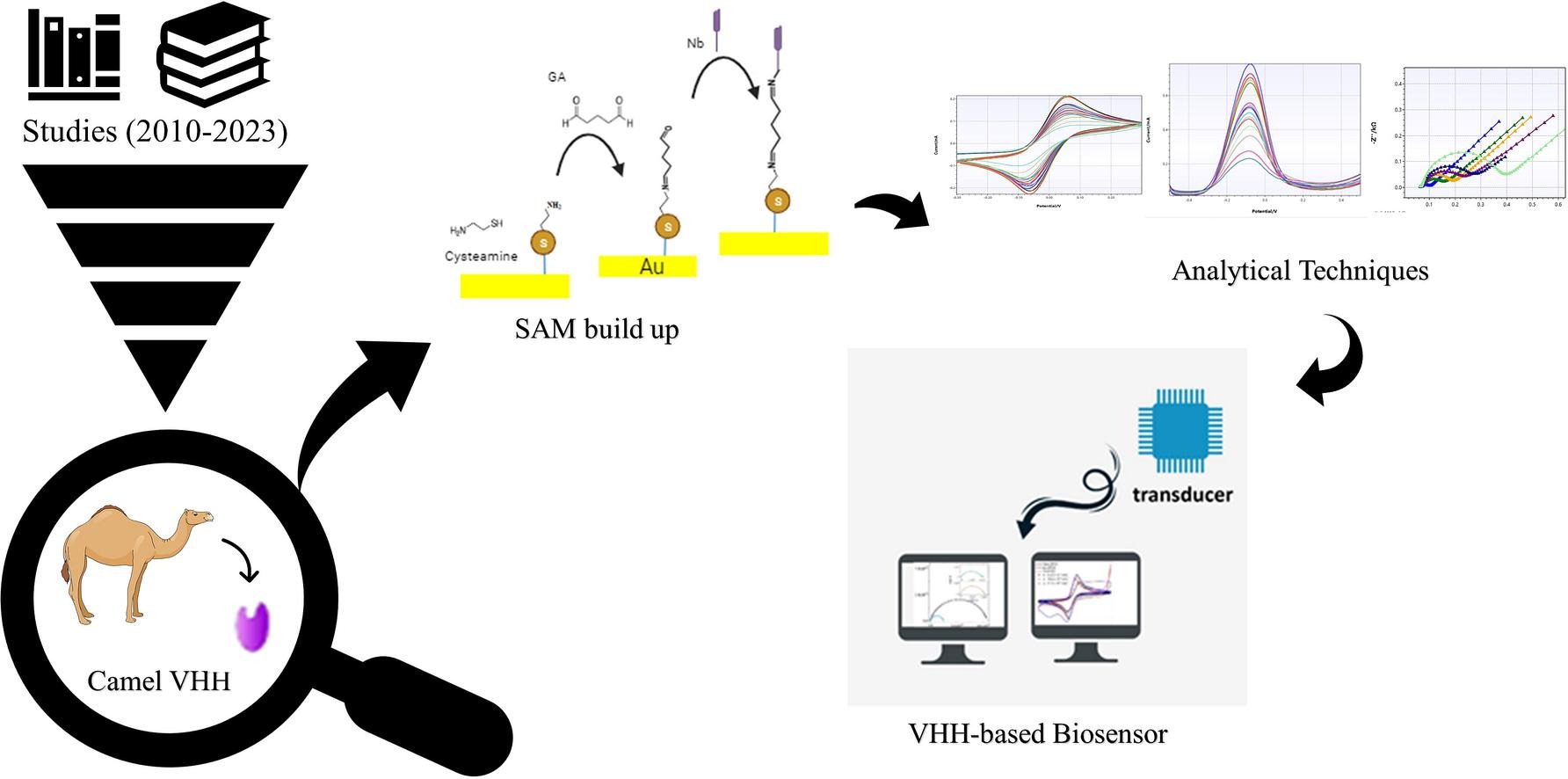
Explore VHH-based biosensors for high-sensitivity detection using nanobodies in ……
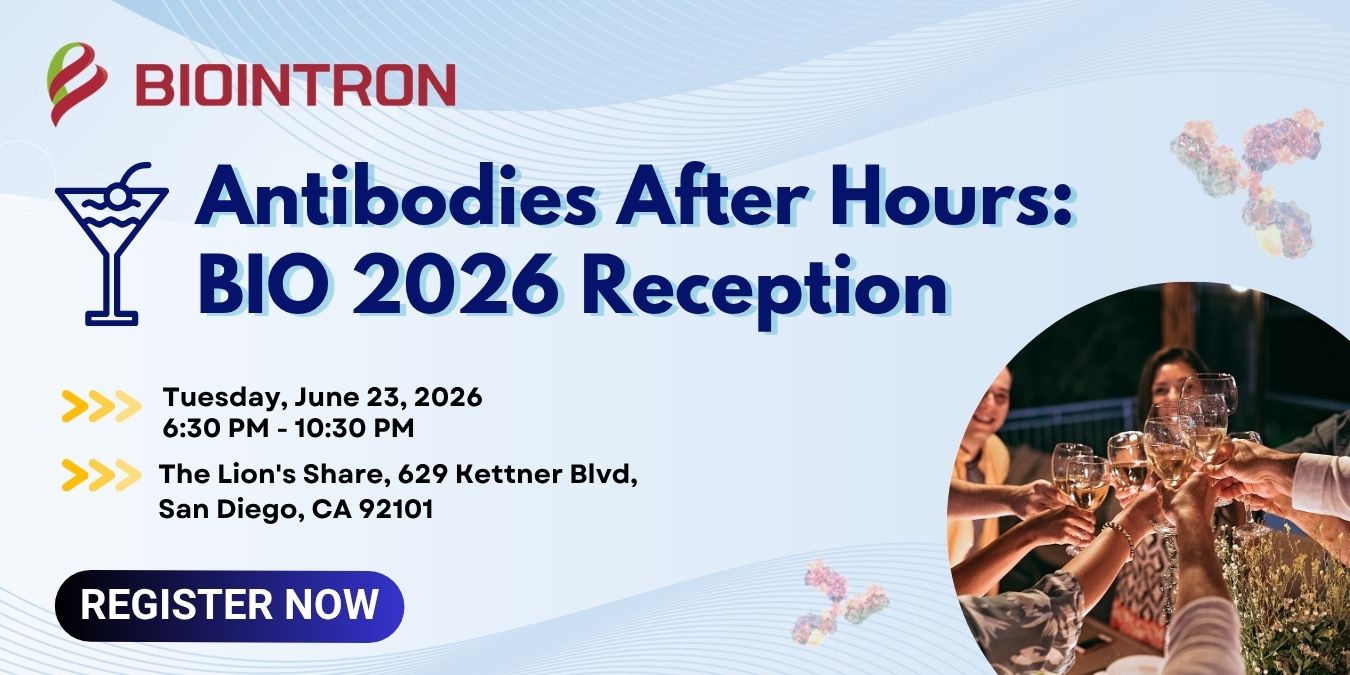
Biointron’s Antibodies After Hours: BIO 2026 Reception was held at The Lion's Sh……
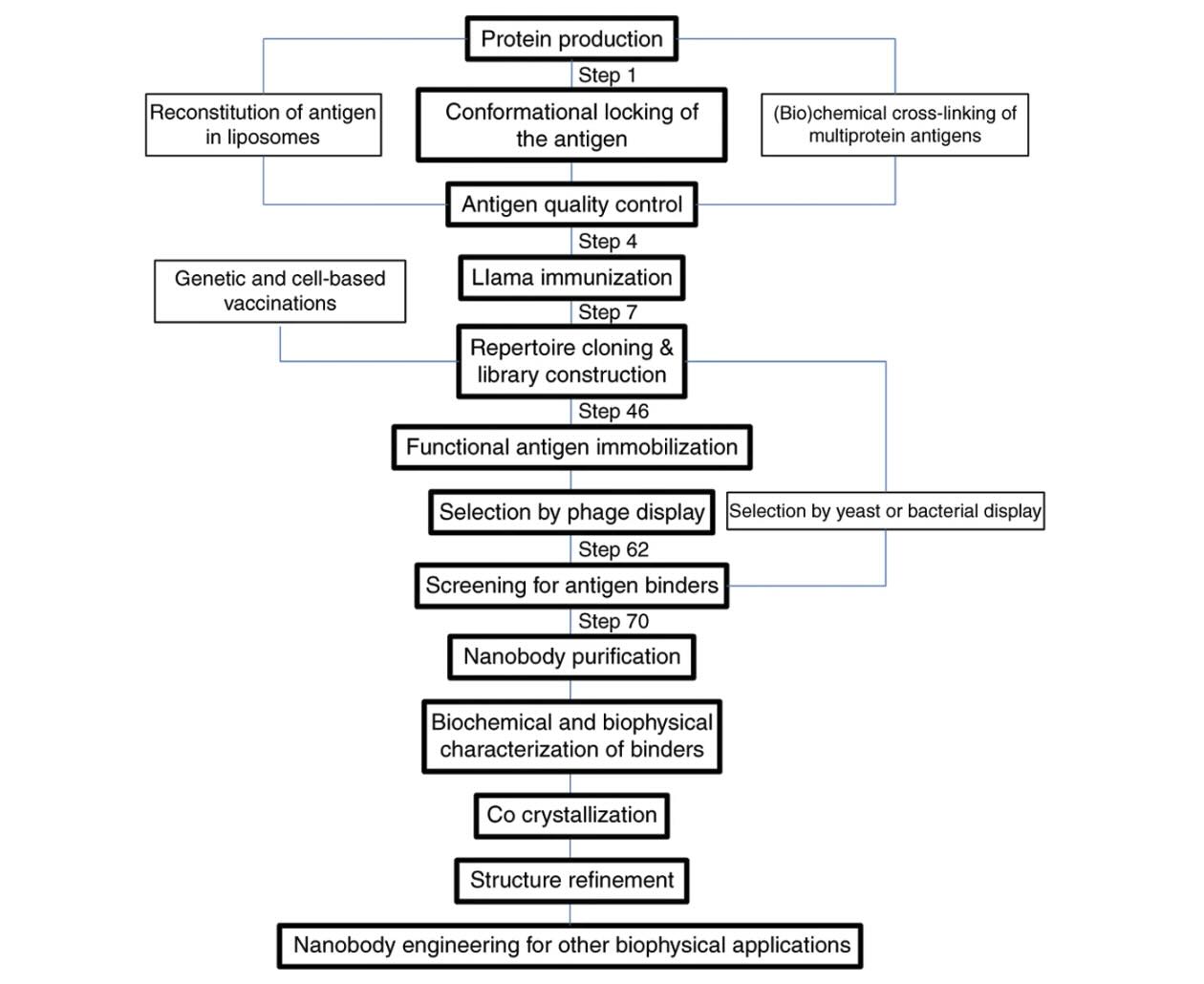
Explore how VHH antibodies stabilize protein conformations for crystallography, ……