


Cell signaling pathways are essential in enabling the communication between cells and to respond to their environment. These pathways involve a series of molecular events that transmit information from the cell's membrane to the nucleus, ultimately regulating various cellular processes and immune responses.1 Antibodies are often developed against a target of interest, which can be specific proteins or biomarkers of a cell signaling pathway. Examples of pathway categories include immune checkpoint signaling, cytokine signaling, and developmental signaling.
Immune checkpoint signaling pathways play a crucial role in regulating the immune system's responses to various threats, such as pathogens and abnormal cells. Immune checkpoints are the group of molecules and their receptors that act as gatekeepers of immune responses.2 An example of this is CTLA-4 (Cytotoxic T-Lymphocyte-Associated Protein 4), which acts as an inhibitory receptor to help downregulate immune responses. The CTLA-4 signaling pathway involves the inhibition of T cell receptor (TCR) signaling and downstream signaling pathways. It does this when binding to its ligands, B7-1 (CD80) and B7-2 (CD86), on antigen-presenting cells. By downregulating T cell activity, CTLA-4 contributes to immune tolerance and the prevention of autoimmunity.3
CTLA-4 signaling has been the focus of therapeutic development in the field of cancer immunotherapy. Blockade of CTLA-4 with specific antibodies, such as ipilimumab, has been used to enhance anti-tumor immune responses and was approved by the FDA to treat late-stage melanoma.4 By releasing the inhibition imposed by CTLA-4, the immune system can carry out a stronger response against cancer cells.
Cytokine signaling pathways involve a diverse group of small proteins called cytokines, which play important roles in cell signaling. They function in a wide range of physiological and pathological processes, including immune responses, inflammation, and tissue repair. Interleukin 6 (IL-6) is a cytokine that regulates the acute phase response and is produced at the site of inflammation. Key components of the IL-6 signaling pathway include the IL-6 receptor (IL-6R), the gp130 co-receptor, and the activation of JAK/STAT (Janus Kinase/Signal Transducer and Activator of Transcription) signaling.5
IL-6 signaling is an important target for therapeutic interventions, including the development of antibodies in the treatment of dysregulated IL-6 signaling, such as rheumatoid arthritis and cytokine release syndrome. Tocilizumab was developed as a humanized antibody to IL-6R and approved to treat moderate to severe rheumatoid arthritis, polyarticular juvenile idiopathic arthritis, and systemic juvenile idiopathic arthritis.6
Biointron can help you with your antibody discovery needs, as well as having a catalog of products for in vivo research at Abinivivo. We are dedicated to accelerating your antibody discovery, optimization, and production needs. Our team of experts can provide customized solutions that meet your specific research needs. Contact us to learn more about our services and how we can help accelerate your research and drug development projects.
Nair, A., Chauhan, P., Saha, B., & Kubatzky, K. F. (2019). Conceptual Evolution of Cell Signaling. International Journal of Molecular Sciences, 20(13). https://doi.org/10.3390/ijms20133292
He, X., & Xu, C. (2020). Immune checkpoint signaling and cancer immunotherapy. Cell Research, 30(8), 660-669. https://doi.org/10.1038/s41422-020-0343-4
Sobhani, N., Tardiel-Cyril, D. R., Davtyan, A., Generali, D., Roudi, R., & Li, Y. (2021). CTLA-4 in Regulatory T Cells for Cancer Immunotherapy. Cancers, 13(6). https://doi.org/10.3390/cancers13061440
Mansh, M. (2011). Ipilimumab and Cancer Immunotherapy: A New Hope for Advanced Stage Melanoma. The Yale Journal of Biology and Medicine, 84(4), 381-389. https://www.ncbi.nlm.nih.gov/pmc/articles/PMC3238313/
Gabay, C. Interleukin-6 and chronic inflammation. Arthritis Res Ther 8 (Suppl 2), S3 (2006). https://doi.org/10.1186/ar1917
Choy, E. H., De Benedetti, F., Takeuchi, T., Hashizume, M., John, M. R., & Kishimoto, T. (2020). Translating IL-6 biology into effective treatments. Nature Reviews Rheumatology, 16(6), 335-345. https://doi.org/10.1038/s41584-020-0419-z
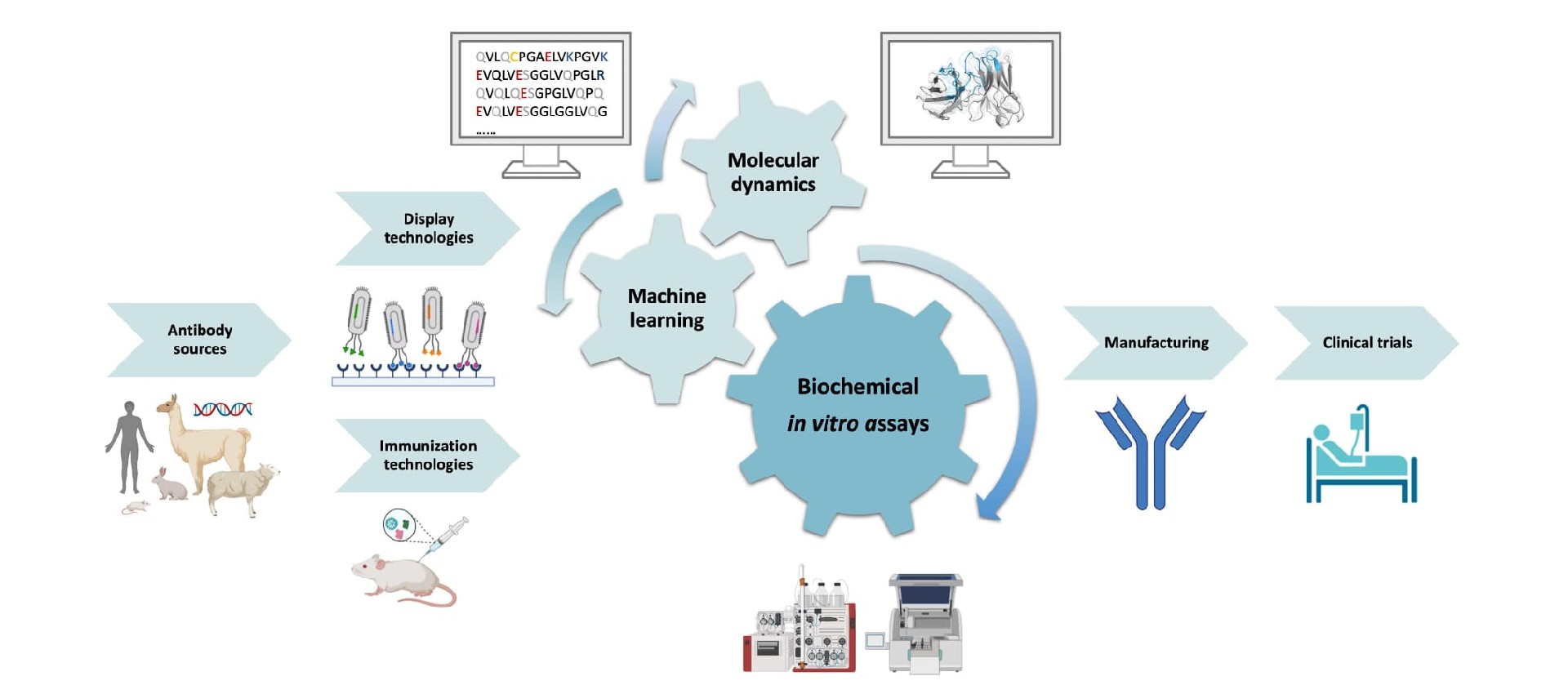
For an antibody candidate, strong target binding is only part of the path toward……
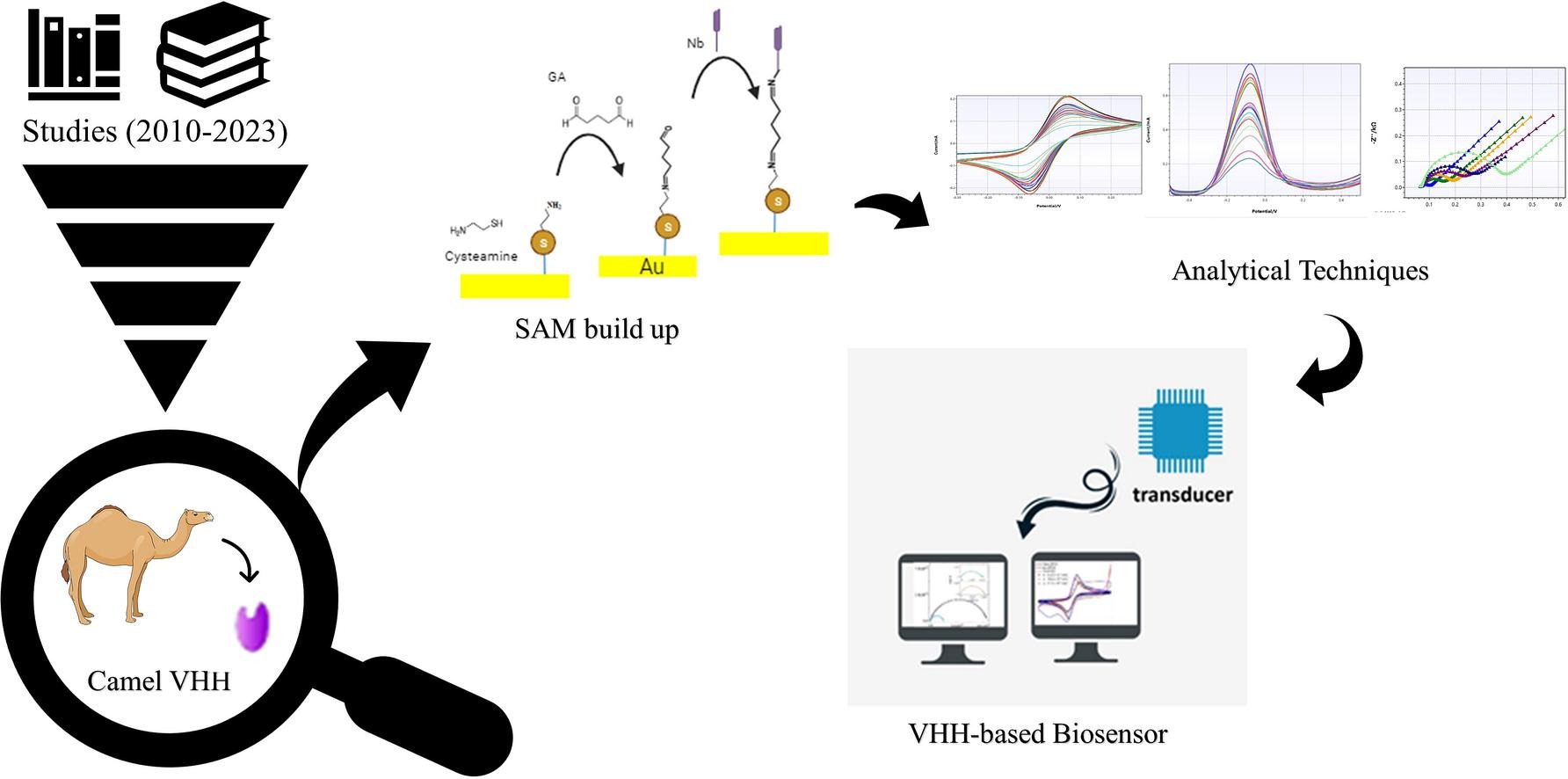
Explore VHH-based biosensors for high-sensitivity detection using nanobodies in ……
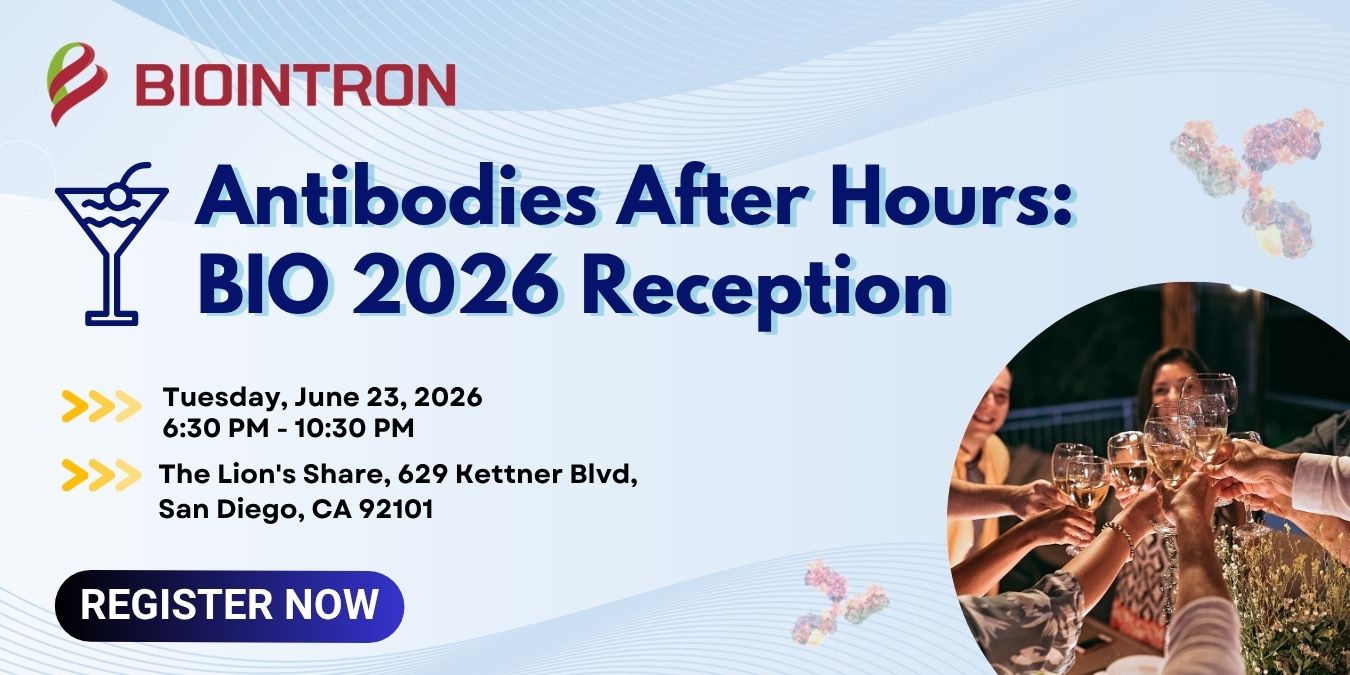
Biointron’s Antibodies After Hours: BIO 2026 Reception was held at The Lion's Sh……
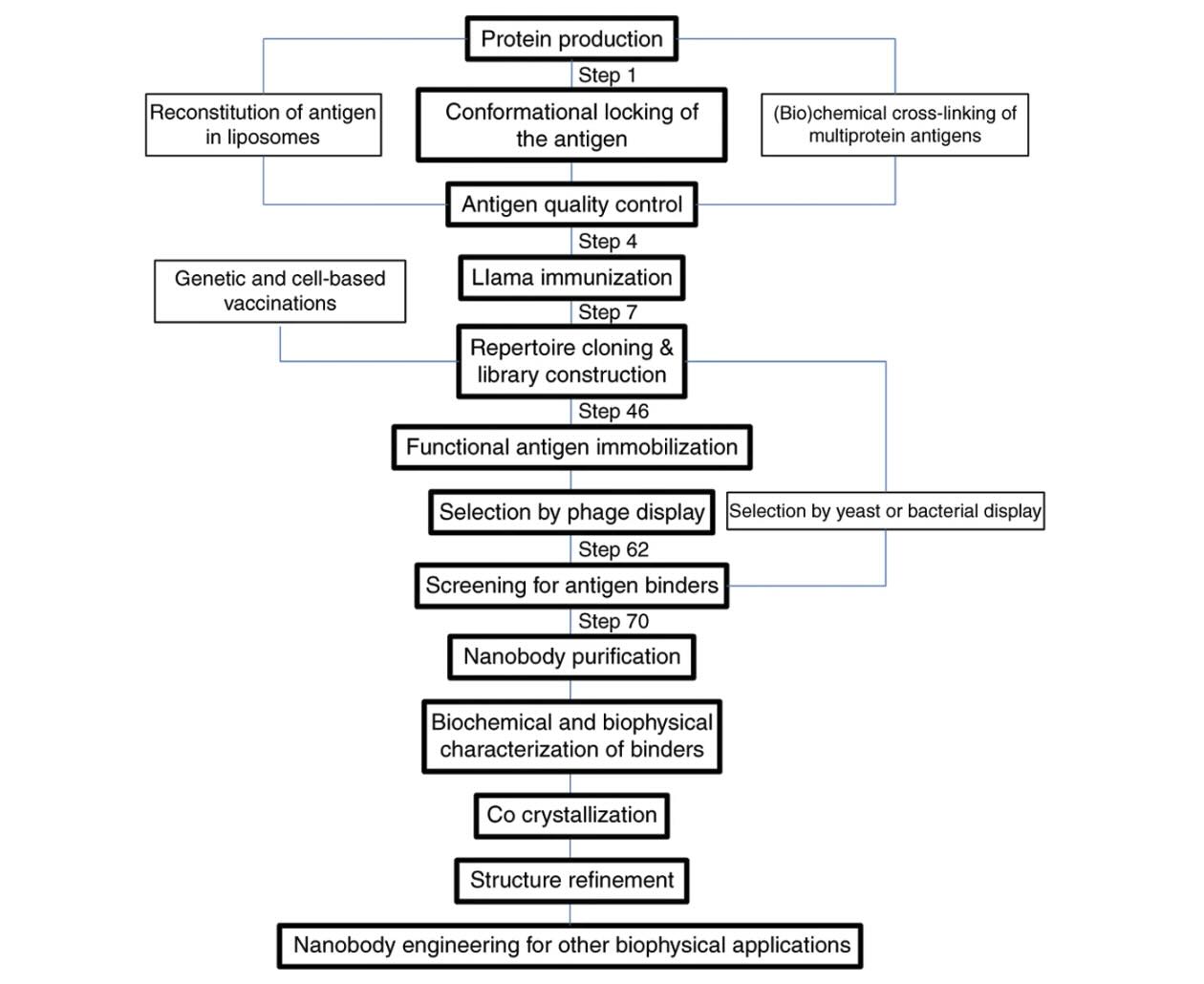
Explore how VHH antibodies stabilize protein conformations for crystallography, ……