


Antimicrobial resistance (AMR) is a major threat to human health around the globe. It occurs when microorganisms, such as bacteria, viruses, parasites, or fungi, evolve mechanisms to withstand the effects of antimicrobial drugs. Overuse and misuse of antibiotics in both human and animal settings have accelerated the development of resistant strains, creating a pressing need for novel therapeutic approaches.1
Monoclonal antibodies (mAbs) are immunoglobulins derived from a monoclonal cell line and with a defined specificity and made in a lab. Unlike traditional antibiotics that directly attack bacteria, mAbs target specific proteins on the surface of pathogens, disrupting their ability to cause infection. However, while mAbs have been successful in treating human viral pathogens such as respiratory syncytial virus (RSV), Influenza and SARS-CoV-2, only three FDA-approved antibody therapies for bacterial infections exist, with the rest in clinical trials.
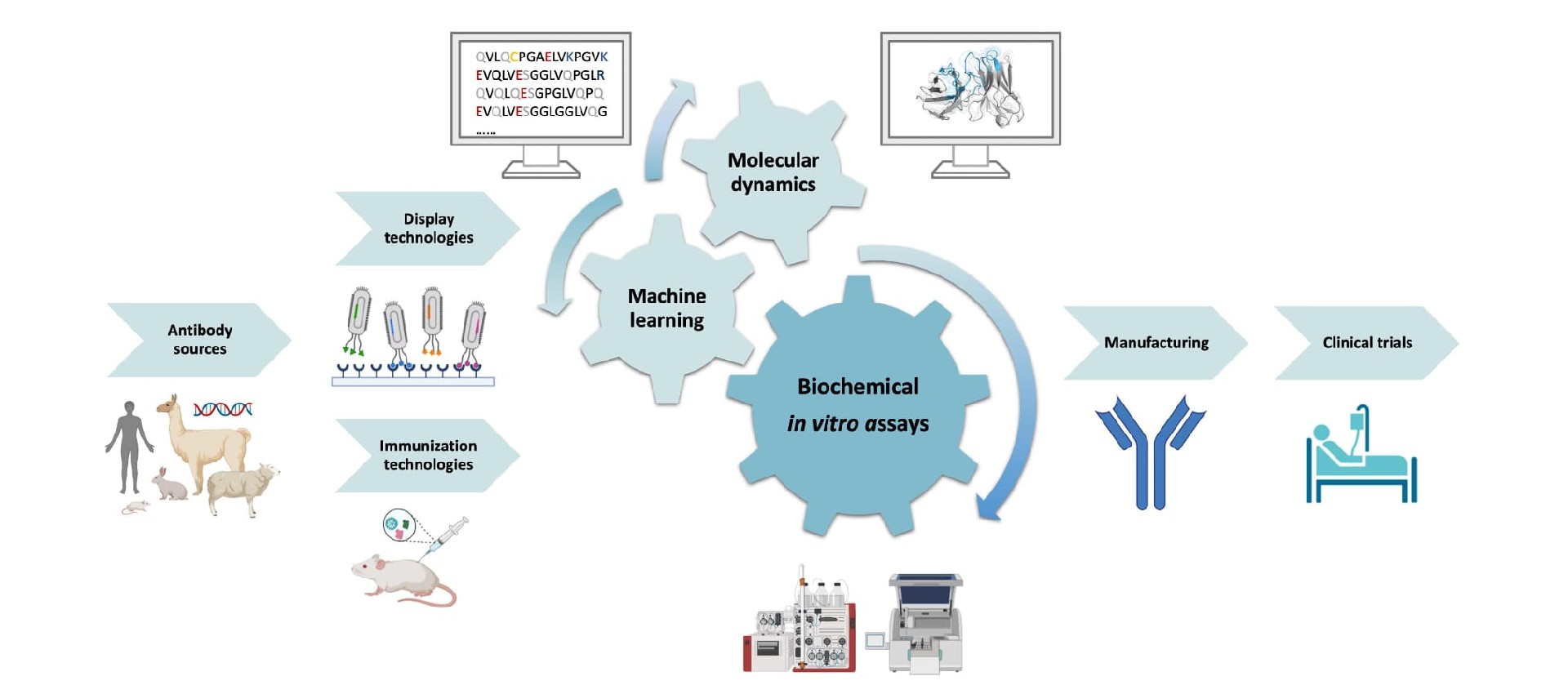
Challenges include the significance of Fc effector functions in bacterial clearance and killing, and the difficulty in finding the most suitable antigen when bacteria expose hundreds of antigens on their surface. Furthermore, certain bacteria can form tough biofilms and dwell in parts of the body with limited mAb distribution. Nonetheless, advancements in the field of antibody development are producing hopeful results, particularly from artificial intelligence, computational design, hinge region engineering, nucleic acid-encoded mAbs, and hetero-oligomerization.2
A computational approach is the design of modular nanocages, which are based on the idea that the assembly of particular antibodies can recognize a larger target compared to a single antibody. Divine et al. (2021) described a method to increase antibody valency through antibody-based protein nanoparticles for IgG antibodies, composed of an Fc fusion or antibody/homo-oligomer that controls Fc-binding and nanocage assembly.3
Currently, several clinical studies are being carried out for antibodies against bacterial toxins, surface proteins, and polysaccharides. Each target has its own pros and cons as anti-bacterial targets, with initial efforts focusing on toxin neutralization, as mAb therapies were thought to be able to inhibit virulence, without creating selective pressures on the organism.4 For example, suvratoxumab, a fully human, half-life extended IgG1 mAb targeting S. aureus alpha toxin, is being evaluated as a pre-emptive treatment for ventilator associated pneumonia.5
At Biointron, we are dedicated to accelerating your antibody discovery, optimization, and production needs. Our team of experts can provide customized solutions that meet your specific research needs. Contact us to learn more about our services and how we can help accelerate your research and drug development projects.
Murray, C. J., Ikuta, K. S., Sharara, F., Swetschinski, L., Robles Aguilar, G., Gray, A., Han, C., Bisignano, C., Rao, P., Wool, E., Johnson, S. C., Browne, A. J., Chipeta, M. G., Fell, F., Hackett, S., Haines-Woodhouse, G., Kashef Hamadani, B. H., Kumaran, E. A. P., McManigal, B., … Naghavi, M. (2022). Global burden of bacterial antimicrobial resistance in 2019: a systematic analysis. The Lancet, 399(10325), 629–655. https://doi.org/10.1016/S0140-6736(21)02724-0
Troisi, M., Marini, E., Abbiento, V., Stazzoni, S., Andreano, E., & Rappuoli, R. (2022). A new dawn for monoclonal antibodies against antimicrobial resistant bacteria. Frontiers in Microbiology, 13. https://doi.org/10.3389/fmicb.2022.1080059
Divine, R., Dang, H. V., Ueda, G., Fallas, J. A., Vulovic, I., Sheffler, W., Saini, S., Zhao, Y. T., Raj, I. X., Morawski, P. A., Jennewein, M. F., Homad, L. J., Wan, H., Tooley, M. R., Seeger, F., Etemadi, A., Fahning, M. L., Lazarovits, J., Roederer, A., . . . Baker, D. (2021). Designed proteins assemble antibodies into modular nanocages. Science (New York, N.Y.), 372(6537). https://doi.org/10.1126/science.abd9994
Motley, M. P., Banerjee, K., & Fries, B. C. (2019). Monoclonal Antibody-Based Therapies for Bacterial Infections. Current Opinion in Infectious Diseases, 32(3), 210. https://doi.org/10.1097/QCO.0000000000000539
François, B., Jafri, H. S., Chastre, J., Sánchez-García, M., Eggimann, P., Dequin, P. F., Huberlant, V., Viña Soria, L., Boulain, T., Bretonnière, C., Pugin, J., Trenado, J., Hernandez Padilla, A. C., Ali, O., Shoemaker, K., Ren, P., Coenjaerts, F. E., Ruzin, A., Barraud, O., … Maggiorini, M. (2021). Efficacy and safety of suvratoxumab for prevention of Staphylococcus aureus ventilator-associated pneumonia (SAATELLITE): a multicentre, randomised, double-blind, placebo-controlled, parallel-group, phase 2 pilot trial. The Lancet Infectious Diseases, 21(9), 1313–1323. https://doi.org/10.1016/S1473-3099(20)30995-6
For an antibody candidate, strong target binding is only part of the path toward……
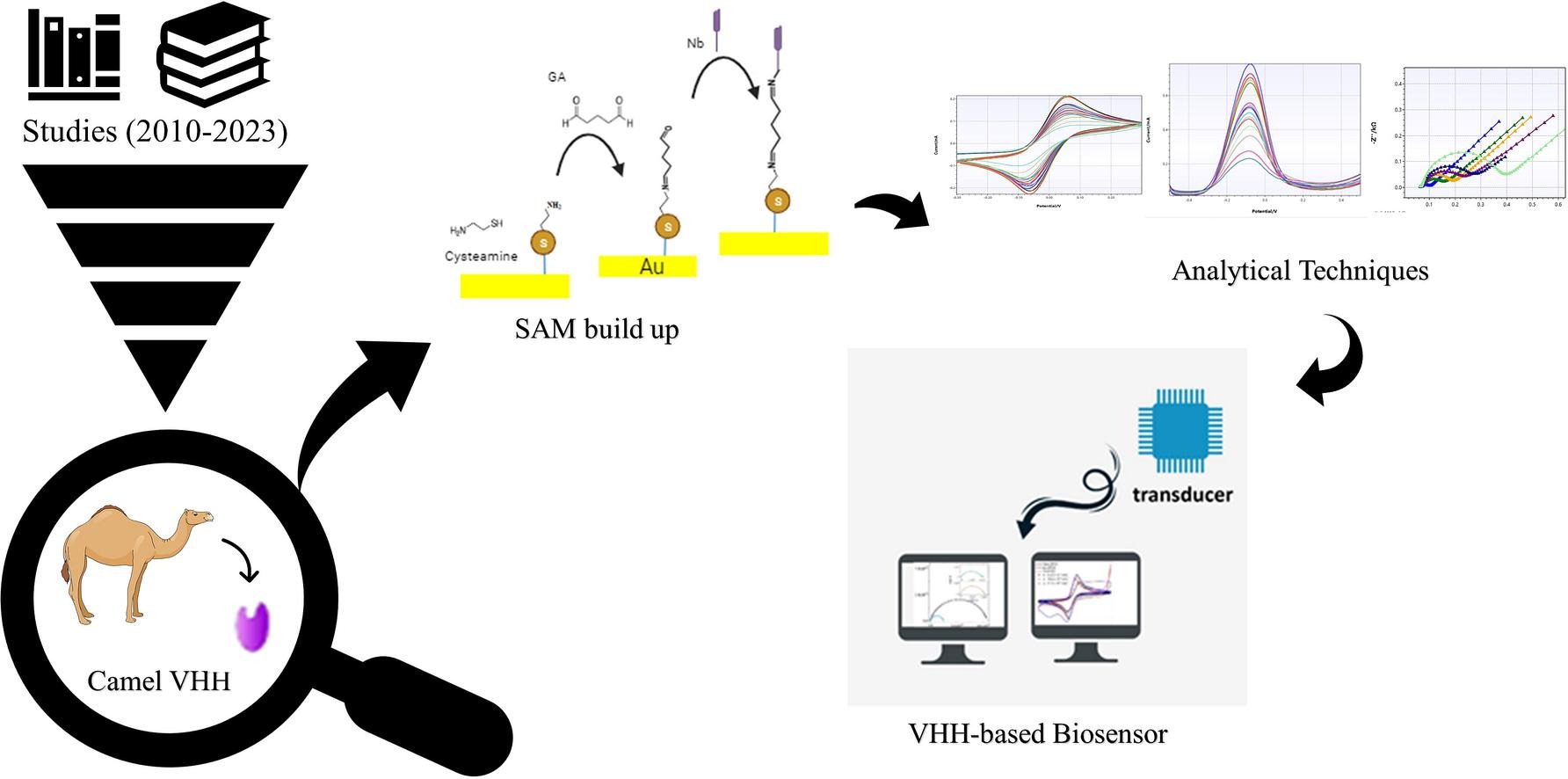
Explore VHH-based biosensors for high-sensitivity detection using nanobodies in ……
Biointron’s Antibodies After Hours: BIO 2026 Reception was held at The Lion's Sh……
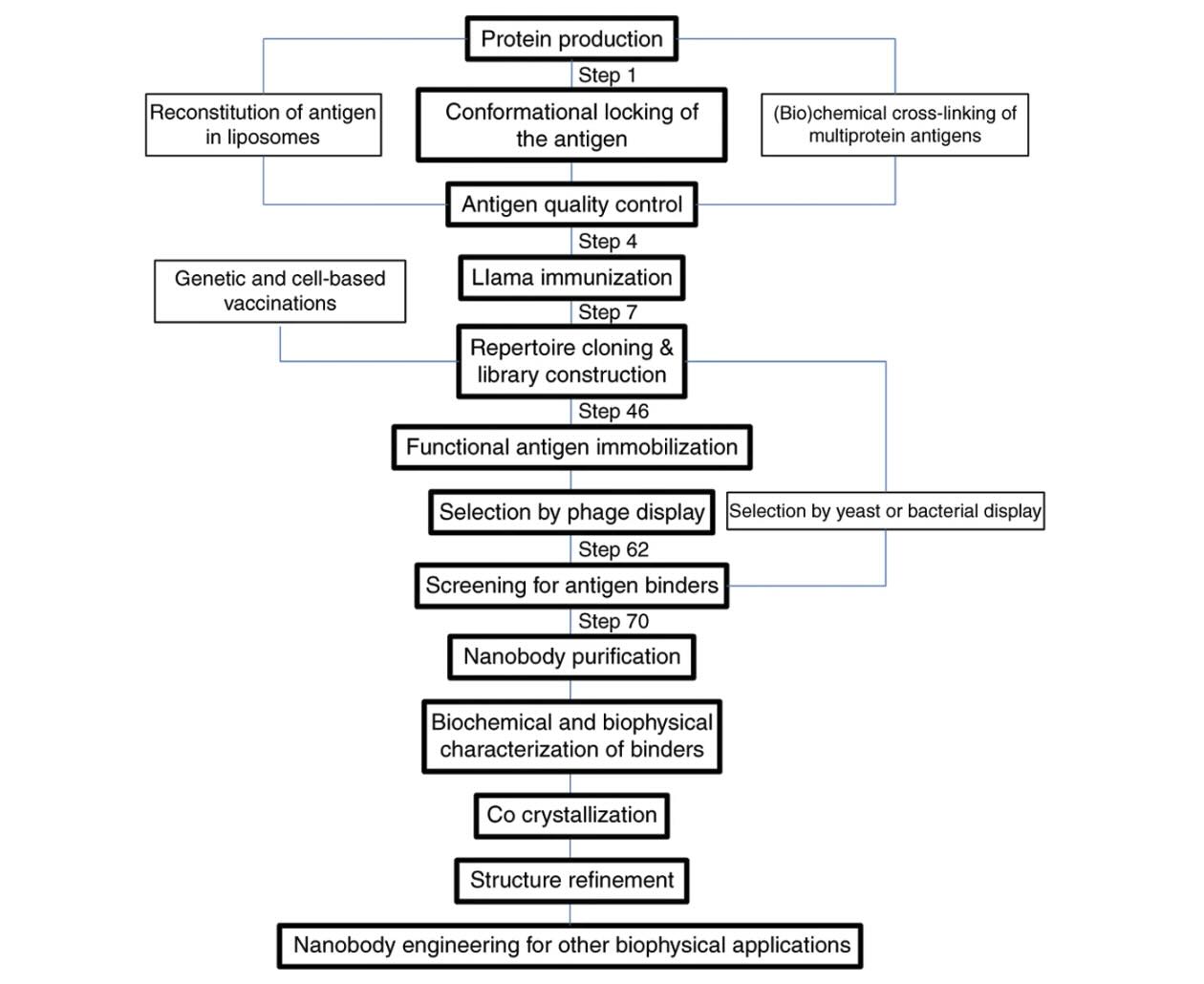
Explore how VHH antibodies stabilize protein conformations for crystallography, ……