


PepTalk 2026 was held in San Diego on January 19-22, 2026. The event featured talks on protein expression, production platforms, lab automation for higher throughput, analytical characterization and preformulation strategies for novel modalities, antibody discovery and development, and expression and development of therapeutic peptides and miniproteins.
Strong emphasis on bispecific and multispecific antibody engineering, including clinical translation challenges such as chain pairing, stability, and manufacturability.
Presentation on bispecific antibody production using split selectable markers and mRNA trans-splicing demonstrated new CHO-based strategies for expressing up to four antibody chains from minimal plasmid systems.
Discussions emphasized the need for expression systems specifically adapted to complex antibody architectures, rather than retrofitting monoclonal workflows.
Bispecific Antibody Expression →
Several antibody-focused talks centered on GPCRs and multi-pass membrane proteins, historically difficult antibody targets.
Case study on CHS-114, an afucosylated IgG1 targeting CCR8, demonstrated progress in generating selective antibodies against GPCRs with reduced off-target binding.
Sessions highlighted diversified antigen production strategies, including insect cells, cell-free systems, SMALP nanodiscs, and mammalian co-expression with chaperones.
Predictive and structural approaches were used to support native-like antigen presentation, enabling more effective antibody screening.
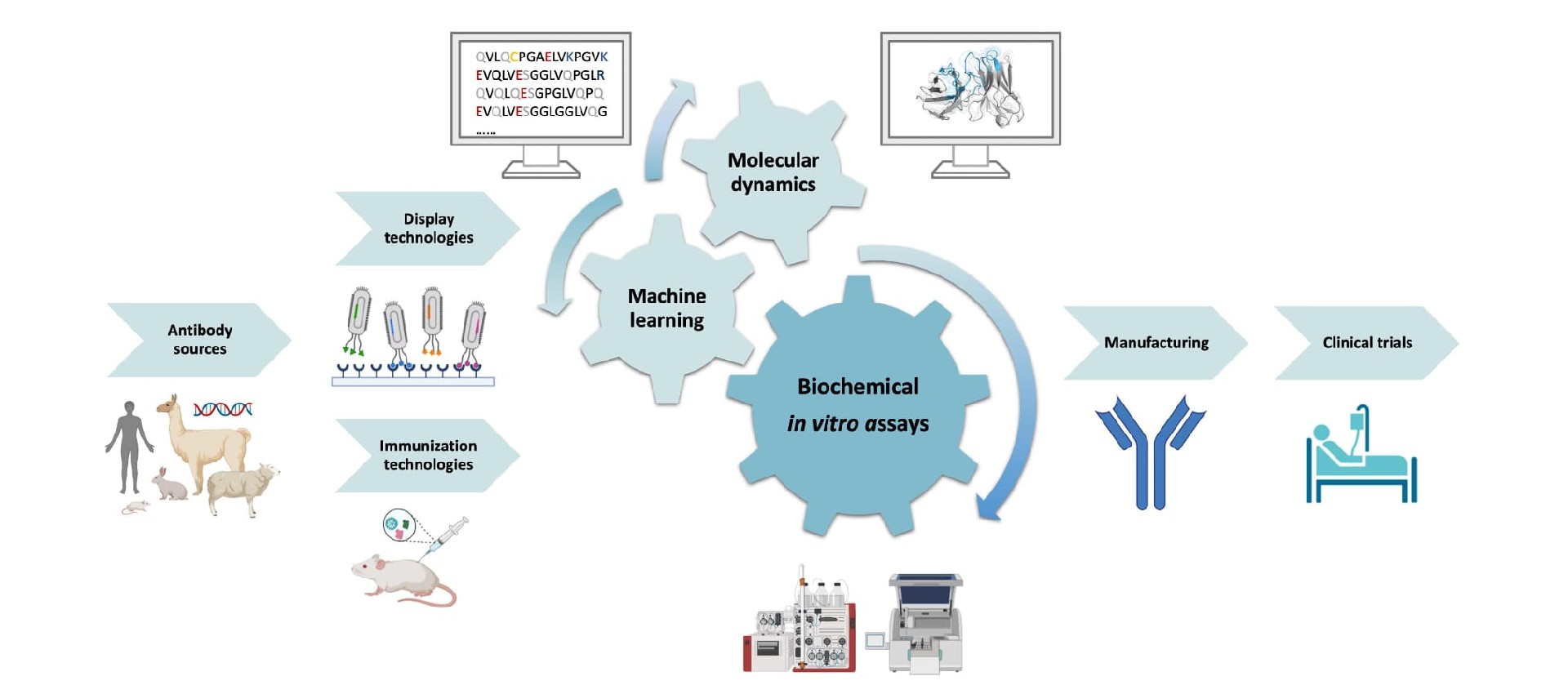
AI and machine learning were repeatedly linked to practical antibody discovery workflows, rather than conceptual frameworks.
Presentations described zero-shot and de novo antibody design, with rapid progression from sequence generation to experimental binding data.
Machine learning models were applied to:
Predict antibody-antigen binding and epitope specificity
Assess purification behavior and developability risk
Guide expression system selection and manufacturability
Integration of AI with high-throughput expression and screening platforms was positioned as essential for closing DMTA loops.
Antibody discovery is increasingly limited by expression throughput, not just sequence generation.
High-throughput CHO, cell-free, and transient expression platforms were presented as critical for:
Screening large humanization and affinity-maturation matrices
Rapid evaluation of Fc variants and glycoforms
Early identification of poorly expressing or unstable candidates
Parallelized expression of hundreds of heavy-light chain combinations has been developed to identify clinically viable humanized antibodies.
Fc optimization was addressed from both discovery and CMC perspectives, reflecting its continued importance in antibody differentiation.
Talks covered:
Improving Fc expression and stability
Controlling glycosylation profiles to meet functional and regulatory requirements
Analytical strategies to ensure Fc-related critical quality attributes
Fc-focused sessions reinforced the need for tight integration between expression, analytics, and functional assays early in development.
Novel host systems and engineering strategies were discussed with direct relevance to antibody and antibody-fragment production:
Engineered E. coli strains optimized for nanobody (VHH antibody) expression
Fungal and plant systems producing antibody fragments with glycoengineering
Cell-free systems enabling rapid prototyping of antibody variants
Emphasis was placed on reducing downstream processing complexity, especially for non-standard antibody formats.
Recombinant Protein Production →
Machine learning models were applied to predict antibody purification behavior across chromatography resins using sequence-derived features.
Early-stage viscosity and aggregation screening were positioned as key inputs for developability assessment of antibody candidates.
These approaches aim to reduce late-stage attrition by flagging problematic antibodies during discovery rather than process development.
Antibody Developability Assessment →

Thank you to everyone who visited our booth at PepTalk 2026 to learn about our services! We had a fantastic time chatting with you and how it can help you achieve antibody development. Our expert team would be happy to answer any follow-up questions. Feel free to email us at info@biointron.com or visit our website at www.biointron.com.
For an antibody candidate, strong target binding is only part of the path toward……
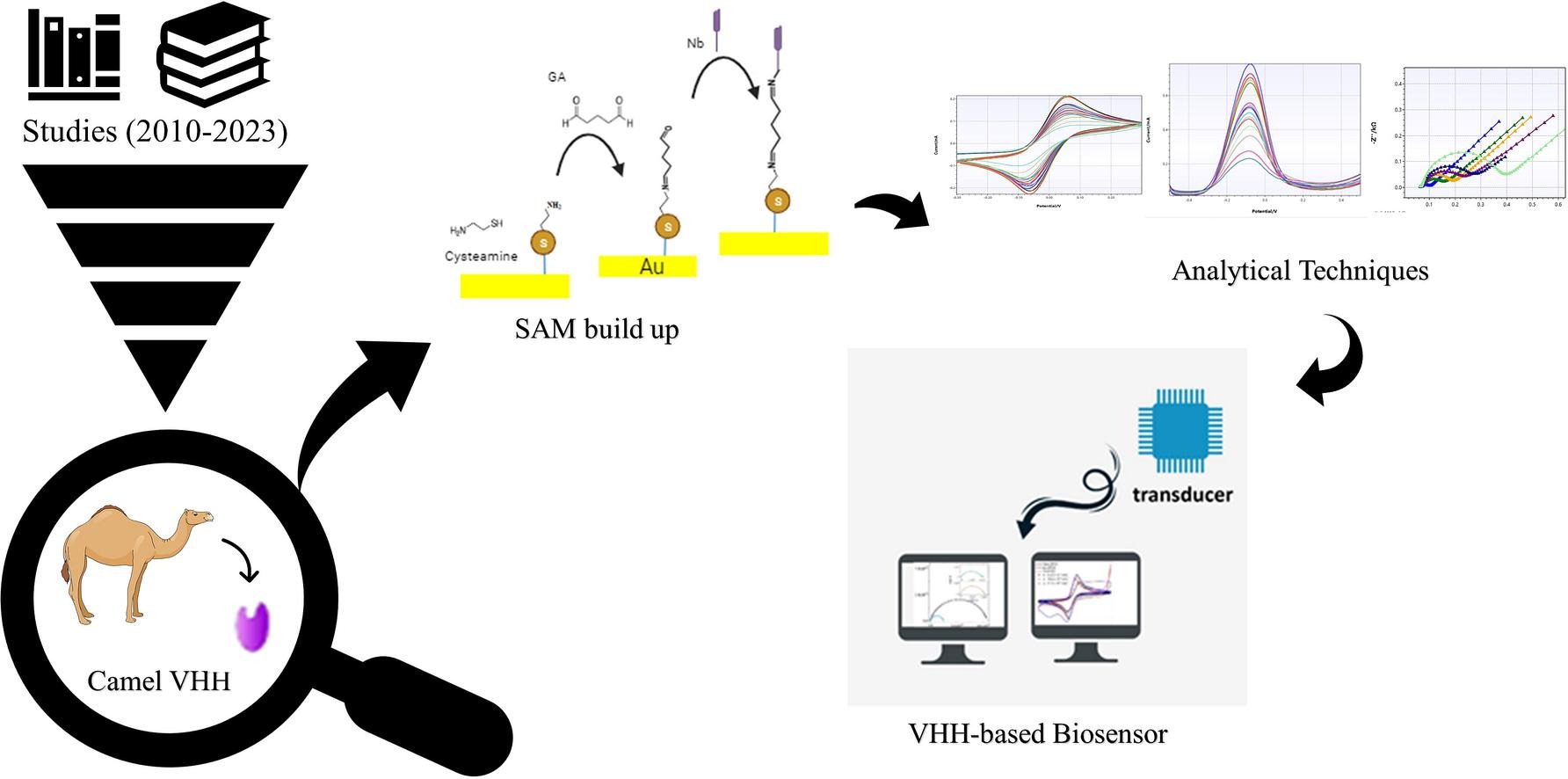
Explore VHH-based biosensors for high-sensitivity detection using nanobodies in ……
Biointron’s Antibodies After Hours: BIO 2026 Reception was held at The Lion's Sh……
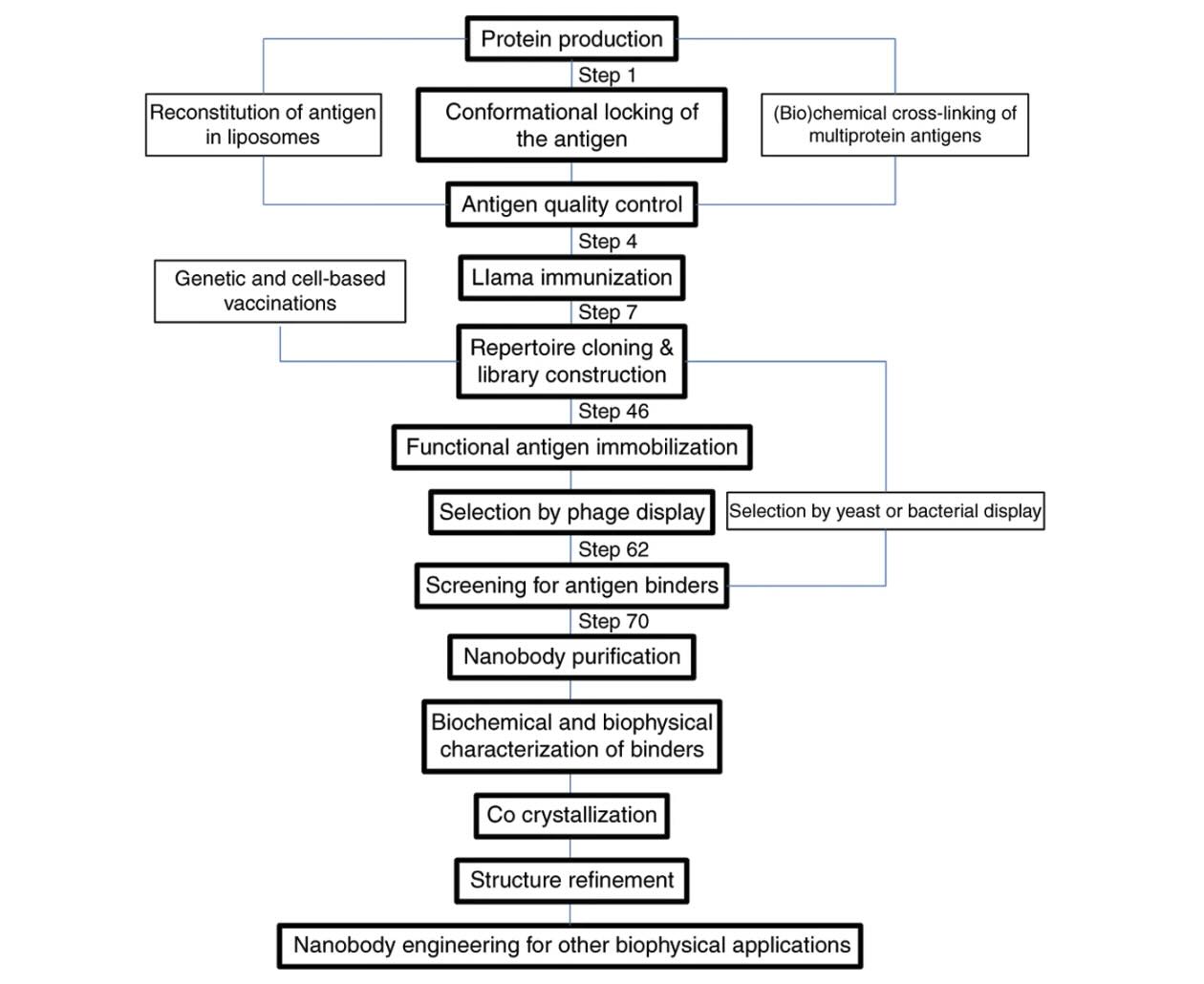
Explore how VHH antibodies stabilize protein conformations for crystallography, ……