


Antibody affinity maturation refers to the process of increasing the binding strength (affinity) between an antibody and its cognate antigen. In the natural immune system, this occurs through somatic hypermutation and clonal selection within germinal centers. However, antibodies derived from display libraries, including naïve or semi-synthetic phage libraries, often lack this in vivo optimization step and require further enhancement through in vitro techniques.
In therapeutic and diagnostic applications, antibody affinity directly impacts efficacy, dosage, and specificity. Therapeutic antibodies with suboptimal affinity may demonstrate limited efficacy or require higher dosing, leading to increased production costs and risk of off-target effects. Similarly, diagnostic antibodies must demonstrate high sensitivity and minimal cross-reactivity. Affinity maturation strategies address these needs by refining antigen recognition without compromising other biophysical properties such as solubility, expression, and stability.
Biointron offers a specialized Affinity Maturation and Antibody Optimization service, designed to address precisely these limitations. Our approach combines high-throughput mutagenesis with rational computational guidance to deliver antibodies that meet the developability and performance requirements for translational or clinical applications.
Site-directed mutagenesis enables the targeted modification of specific residues within antibody variable regions. Unlike random mutagenesis methods, site-directed approaches are hypothesis-driven and guided by structural or sequence data, allowing selective refinement of residues critical for antigen binding.
Unlike random mutagenesis approaches such as error-prone PCR or DNA shuffling, site-directed mutagenesis enables focused diversification of selected residues. Site-directed mutagenesis provides tighter control, reduces library size, and is well-suited for integration with computational modeling.
In a study by Ye et al. (2022), targeted mutations in the CDR-H2 region of a glypican-3 (GPC3) binding antibody led to a 2.6-fold increase in affinity, with corresponding enhancement in cell-binding activity. Similarly, engineered mutations across CDR-H2 and CDR-H3 of a SARS-CoV-2 neutralizing antibody achieved a 3.7-fold increase in affinity and a 12-fold improvement in neutralization potency.1
Rational design uses structural and functional data to target specific residues within antibody complementarity-determining regions (CDRs). Structural models derived from experimental structures or computational prediction can be used to identify putative paratope residues and guide substitutions predicted to improve contacts with the antigen epitope.
According to Li et al. (2023), this method has been bolstered by modern deep learning models like AlphaFold2, Rosetta, and NanoNet, which enable accurate structural prediction of antibody-antigen complexes even in the absence of experimental structures.2 Site-directed mutagenesis in the VH-CDR3 region is especially common, as it often harbors binding “hotspots” critical for antigen interaction. Replacing residues with positively charged amino acids (e.g., Lys, Arg) can enhance electrostatic interactions with negatively charged epitopes, a strategy shown to improve both potency and therapeutic efficacy in targeted monoclonal antibodies. These models guide the introduction of affinity-enhancing mutations with minimized risk to stability.
Alanine scanning replaces individual residues with alanine to identify “hotspots” essential for antigen binding. These hotspots can be further refined through saturation mutagenesis or rational substitutions. Identification of such regions is critical to minimizing the number of mutations while maximizing affinity gains.
Computational tools such as InterProSurf, Parapred, and HADDOCK are often used in tandem to predict interface residues and binding energy contributions. These data inform prioritization of residues for mutagenesis.
Saturation mutagenesis systematically replaces a target residue with all 19 alternative amino acids. This approach is suitable when a residue’s contribution to binding is known but the optimal side chain is uncertain. In the SARS-CoV-2 antibody example mentioned earlier, site-saturation mutagenesis enabled the discovery of a double mutation (S53P-S98T) that substantially improved both affinity and neutralization.
The study by Li et al. also emphasizes that saturation mutagenesis should be restricted to a small number of positions due to the combinatorial explosion of variants.2 Computational pre-screening using platforms such as FoldX or DeepDDG can reduce non-functional variants before experimental validation.
Following mutagenesis, antibody variants must be screened for improved affinity. High-throughput techniques such as phage or mammalian display are typically used to express antibody libraries. Selection is performed using decreasing antigen concentrations or competition-based formats to enrich variants with improved affinity.
Quantitative assessment of affinity changes is performed through:
Surface Plasmon Resonance (SPR)
Bio-Layer Interferometry (BLI)
ELISA-based affinity curves
Flow cytometry (for cell-associated antigens)
ELISA enables rapid, semi-quantitative screening across large libraries, while SPR and BLI provide real-time kinetic profiling of antibody-antigen interactions. BLI, in particular, is well-suited for parallel affinity measurements in high-throughput formats using fiber-optic biosensors. SPR remains the gold standard for detailed kinetic analysis, particularly in early-stage candidate selection and validation workflows.
Phage display remains the most widely adopted platform due to its scalability and simplicity. Mammalian cell display more closely replicates human protein expression environments. Biointron's screening workflows will suit your antibody format and project requirements.
High Precision: Mutations are targeted to residues with known or predicted involvement in antigen binding.
Smaller Library Size: Reduces screening burden compared to random approaches.
Compatibility with Computational Tools: Enables integration with modeling, docking, and stability prediction pipelines.
Shortened Timelines: Rational targeting accelerates the path to high-affinity leads.
Biointron leverages these advantages to deliver rapid, iterative affinity maturation workflows supported by in-house expertise in structure-guided design, phage display, and high-throughput screening.
Affinity improvements must be achieved without compromising other critical attributes such as:
Stability: Mutations in framework or CDR regions can destabilize the antibody fold.
Specificity: Enhanced affinity can increase cross-reactivity if off-target residues are engaged.
Expression Yield: Certain mutations may impair secretion or solubility in expression systems.
Immunogenicity: Engineered residues should be evaluated for potential T-cell epitopes.
VHH antibody formats may tolerate structural perturbations more readily due to their inherent stability, but the trade-offs between developability and affinity remain a central challenge across antibody formats. A comparative study using yeast display demonstrated that both error-prone PCR and combinatorial mutagenesis restricted to CDRs led to improved scFv affinity.4 However, only some improvements translated effectively when expressed as full-length antibodies, underscoring the importance of validating affinity-matured candidates in the final therapeutic format.
High-affinity antibodies offer superior target occupancy and often improved pharmacodynamics. In immune checkpoint therapy or ADCs, improved binding kinetics can lead to better tumor penetration and efficacy.
Enhanced sensitivity is critical for early disease detection. Affinity maturation can improve signal-to-noise ratios in ELISA, lateral flow assays, or biosensor platforms.
Reliable antibodies with consistent performance are essential for reproducibility in immunoprecipitation, Western blotting, and imaging assays.
Biointron’s Affinity Maturation and Optimization services address all these applications through tailored engineering workflows.
Explore Biointron’s Antibody Engineering Platforms
AlphaFold2 / RoseTTAFold: High-resolution structure prediction
FoldX / DeepDDG / Rosetta: Energy scoring and stability prediction
Parapred / InterProSurf: Prediction of paratope/epitope interfaces
NGS (Next-Generation Sequencing): Tracks enrichment of high-affinity clones and mutation frequencies
Deep Mutational Scanning: Correlates sequence variation with binding performance
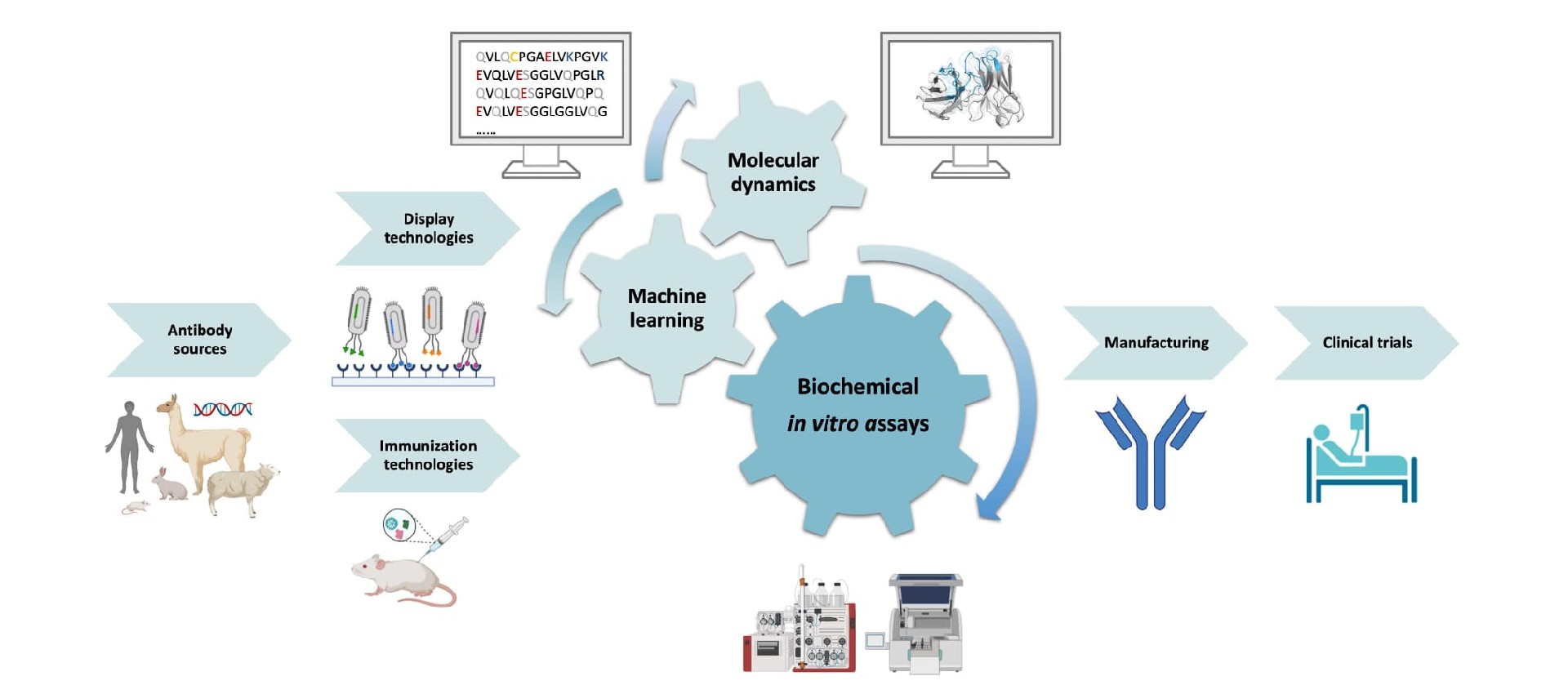
Deep learning–enabled structural prediction tools (e.g., AlphaFold, RoseTTAFold) combined with molecular docking software (e.g., AutoDock, ClusPro) enable in silico identification of high-affinity mutations prior to experimental mutagenesis. Iterative cycles of prediction and validation streamline the optimization workflow and reduce experimental burden.
Crystallography: Gold standard for structure-guided design, though resource-intensive
Cryo-EM and HDX-MS: Effective for mapping complex epitopes and antibody footprints
Molecular Docking: HADDOCK, ClusPro, and ZDock used to evaluate antigen-binding poses
Site-directed mutagenesis offers a controlled and efficient pathway for antibody affinity maturation. When integrated with structural modeling and computational tools, it enables the precise enhancement of binding without compromising stability or specificity.
At Biointron, our Affinity Maturation service uses a multi-pronged strategy combining targeted mutagenesis, high-throughput screening, and validation to deliver optimized antibodies ready for therapeutic, diagnostic, or research use. Whether improving existing candidates or developing new leads, Biointron provides a robust platform for antibody performance enhancement.
What is antibody affinity maturation?
Affinity maturation is the process of increasing an antibody’s binding strength for its antigen through mutagenesis and selection, mimicking or surpassing natural immune evolution.
How does site-directed mutagenesis improve antibody affinity?
By selectively altering residues involved in antigen binding, this method enhances interaction strength while minimizing undesired changes.
What are the advantages of site-directed mutagenesis over random mutagenesis?
It offers precision, smaller library sizes, better screening efficiency, and is ideal for integration with structure-based design.
Are there risks when altering antibody sequences?
Yes. Mutations can affect expression, stability, specificity, or introduce immunogenic epitopes. These are mitigated by predictive tools and screening.
What screening methods are used to select higher-affinity antibodies?
Display technologies (phage), SPR, BLI, ELISA, and flow cytometry are commonly used.
Can affinity maturation affect antibody stability or developability?
Yes. Therefore, parallel assessment of expression and stability is essential during engineering.
Ye, W., Liu, X., He, R., Gou, L., Lu, M., Yang, G., Wen, J., Wang, X., Liu, F., Ma, S., Qian, W., Jia, S., Ding, T., Sun, L., & Gao, W. (2022). Improving antibody affinity through in vitro mutagenesis in complementarity determining regions. Journal of biomedical research, 36(3), 155–166. https://doi.org/10.7555/JBR.36.20220003
Li, J., Kang, G., Wang, J., Yuan, H., Wu, Y., Meng, S., Wang, P., Zhang, M., Wang, Y., Feng, Y., Huang, H., & De Marco, A. (2023). Affinity maturation of antibody fragments: A review encompassing the development from random approaches to computational rational optimization. International Journal of Biological Macromolecules, 247, 125733. https://doi.org/10.1016/j.ijbiomac.2023.125733
Kim, H. Y., Stojadinovic, A., & Izadjoo, M. J. (2014). Affinity maturation of monoclonal antibodies by multi-site-directed mutagenesis. Methods in molecular biology (Clifton, N.J.), 1131, 407–420. https://doi.org/10.1007/978-1-62703-992-5_24
Simons, J. F., Lim, Y. W., Carter, K. P., Wagner, E. K., Wayham, N., Adler, A. S., & Johnson, D. S. (2020). Affinity maturation of antibodies by combinatorial codon mutagenesis versus error-prone PCR. mAbs, 12(1). https://doi.org/10.1080/19420862.2020.1803646
Ribeiro, R., Moreira, J. N., & Goncalves, J. (2024). Development of a new affinity maturation protocol for the construction of an internalizing anti-nucleolin antibody library. Scientific Reports, 14(1), 1-15. https://doi.org/10.1038/s41598-024-61230-z
For an antibody candidate, strong target binding is only part of the path toward……
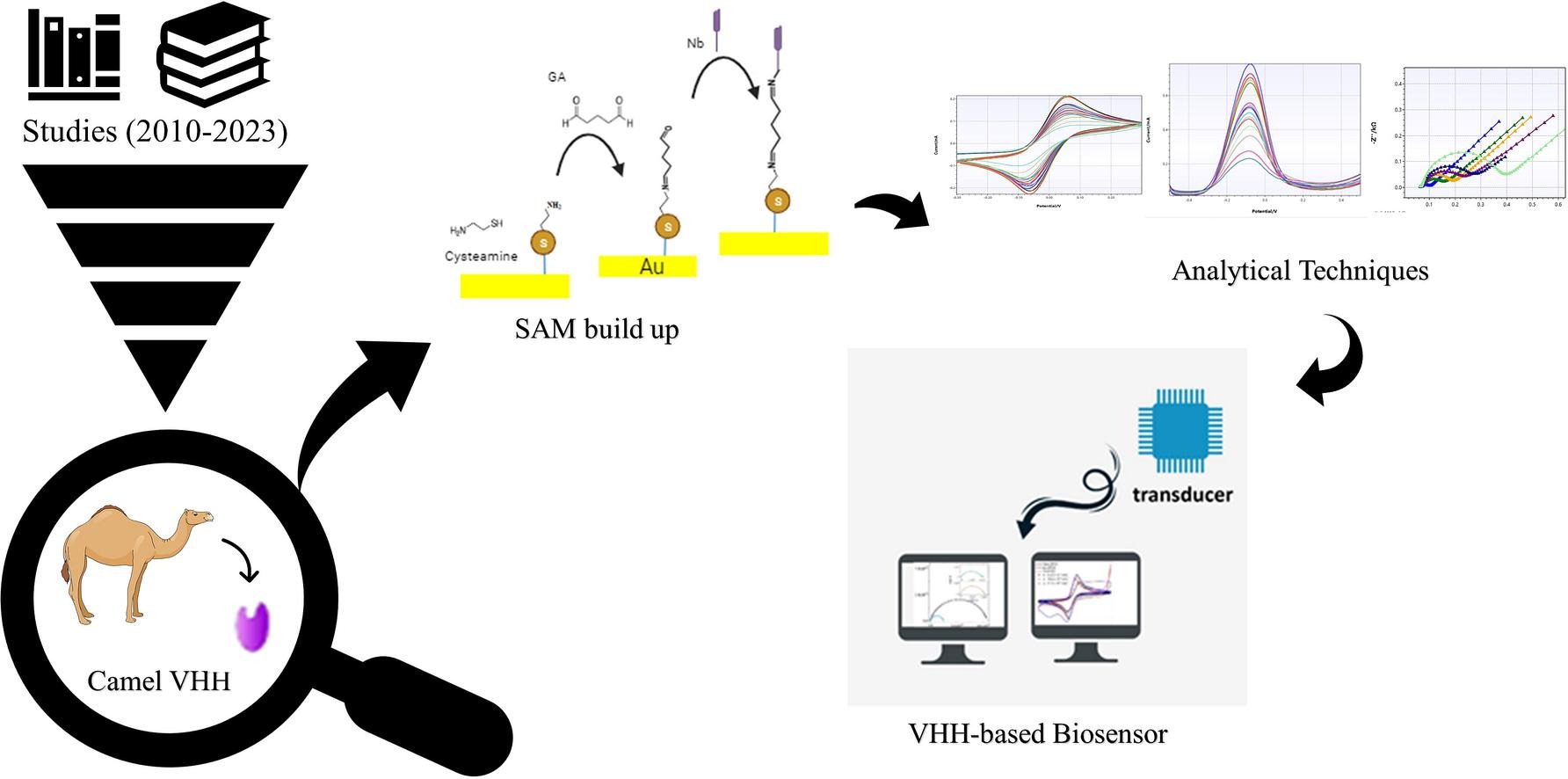
Explore VHH-based biosensors for high-sensitivity detection using nanobodies in ……
Biointron’s Antibodies After Hours: BIO 2026 Reception was held at The Lion's Sh……
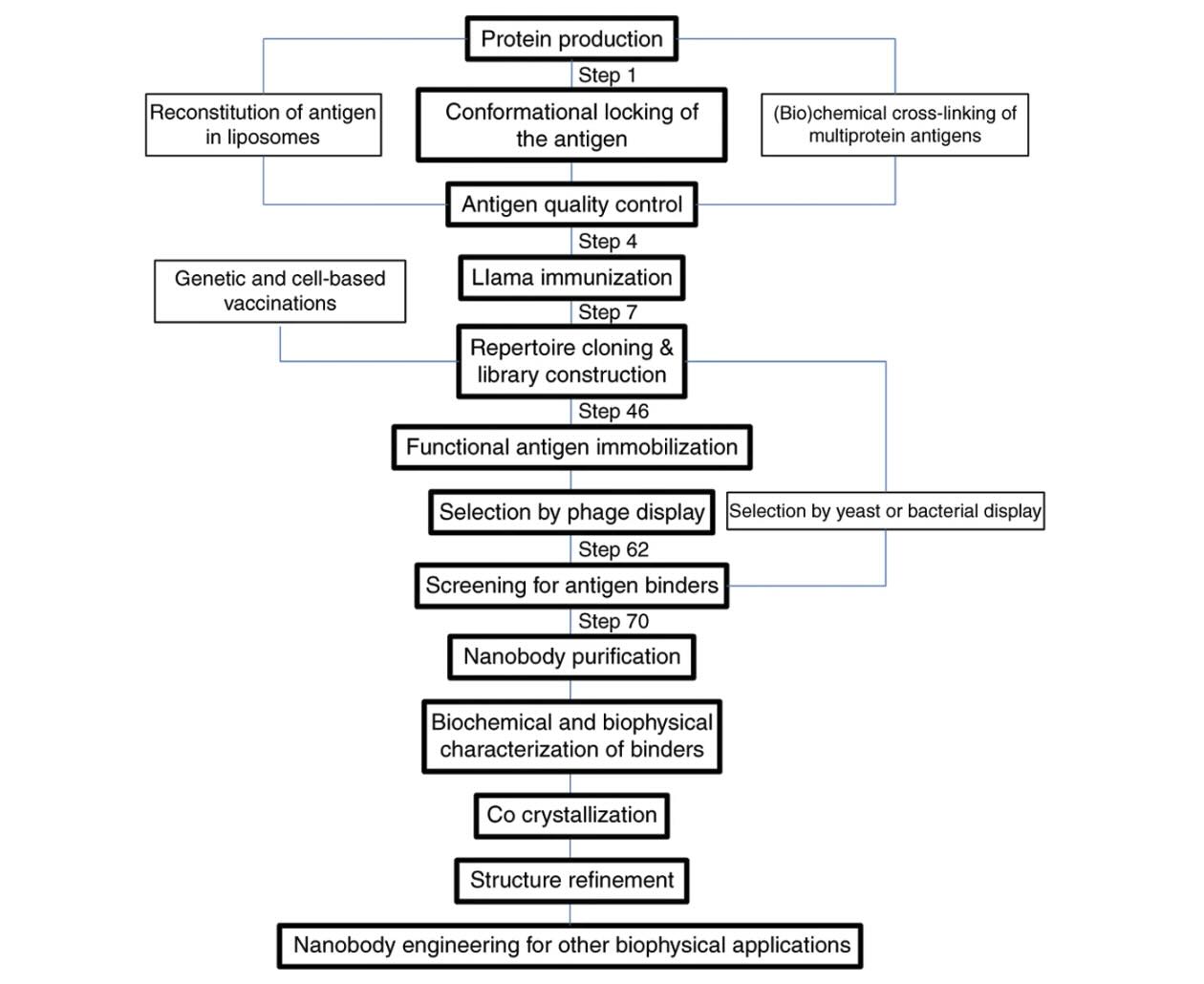
Explore how VHH antibodies stabilize protein conformations for crystallography, ……