


VHH antibodies are derived from heavy-chain-only antibodies (HCAbs) found in species like alpacas, camels, and cartilaginous fish. Unlike conventional antibodies, which are composed of both heavy and light chains, HCAbs lack light chains and the CH1 domain, resulting in a single-domain structure known as VHH or nanobody. This streamlined structure, approximately 15 kDa in size, allows Nbs to penetrate tissues more effectively and target specific epitopes, including those on non-planar surfaces like cavities and grooves.
Compared to traditional IgGs, VHH antibodies exhibit unique structural characteristics, such as longer complementarity-determining region 3 (CDR3) loops and hydrophilic amino acid substitutions in framework region 2 (FR2), which enhance solubility and prevent aggregation. These properties make them more stable under extreme conditions, such as high temperatures, proteolytic degradation, and wide pH ranges. Importantly, their stability and solubility enable alternative administration routes, including oral delivery, for therapeutic applications. This potential was understood in 2018 via the approval of caplacizumab, the very first VHH antibody-based drug.
Related: What are VHH Antibodies?

VHH discovery relies on three types of libraries: immune, naïve, and synthetic. Immune libraries are derived from animals such as alpacas or transgenic mice immunized with specific antigens. Blood from these animals is processed to isolate lymphocytes, followed by mRNA extraction, cDNA synthesis, and amplification of VHH sequences via polymerase chain reaction (PCR). These sequences are then cloned into vectors and expressed in systems like E. coli. This method yields immune libraries with high specificity due to in vivo affinity maturation.
Naïve and synthetic libraries, in contrast, do not require animal immunization. Synthetic libraries use engineered scaffolds with randomized CDRs, offering immense diversity and scalability for applications involving toxic or poorly immunogenic antigens. One well-known example is the NaLi-H1 phage-displayed library, which provides up to 10¹² unique sequences. Naïve libraries, derived from non-immunized animals or humans, offer an alternative source of antigen-specific nanobodies.
Expression systems like E. coli dominate VHH antibody production due to their cost-effectiveness and high yield, but alternatives like yeast, mammalian, and plant systems are employed for complex post-translational modifications. Recent innovations include high-throughput methods for refining production, such as CRISPR interference (CRISPRi), which decouples cell growth from antibody production, increasing yield without compromising cell health.
Related: What is Phage Display?
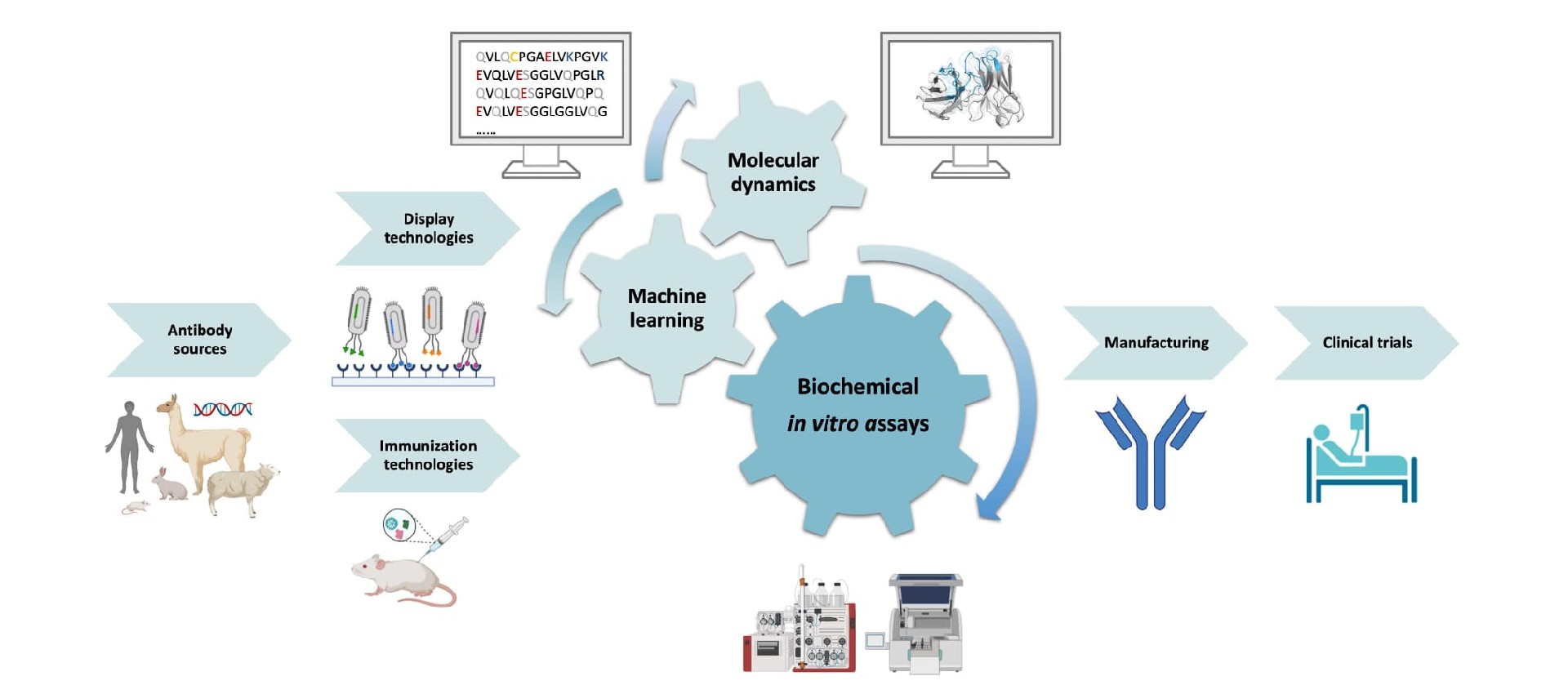
Selecting antigen-specific antibodies from libraries involves display techniques such as phage, yeast, and ribosome display. Phage display remains the most widely used method for identifying high-affinity binders, particularly for immune libraries.
VHH antibodies are increasingly integrated into advanced gene-editing and cell-therapy platforms, such as CRISPR-based systems. These applications include using nanobody-functionalized nanoparticles to deliver CRISPR components to specific cell types, enhancing delivery efficiency while minimizing off-target effects.
CRISPR-based methods have also been employed to engineer CAR-T cells for cancer therapy. For instance, camelid-derived VHH antibodies targeting CD105—a marker expressed in neoangiogenic endothelial cells—have been fused to CAR constructs. This approach has demonstrated efficacy in targeting both endothelial and cancer cells while ensuring stable CAR expression using CRISPR/Cas9 insertion into safe genomic loci.
Additionally, innovations like split-Cas9 systems, combined with nanobody delivery, allow for precise control of gene editing in cancer cells. This technology facilitates dual regulation of nuclear and cytoplasmic proteins, advancing therapeutic options for challenging diseases.
VHH antibody technology is rapidly evolving, with its combination of structural simplicity, stability, and adaptability driving breakthroughs in biotechnology. From diagnostics to therapeutics, they represent a powerful tool for advancing precision medicine and overcoming limitations associated with conventional antibody platforms.
At Biointron, we are dedicated to accelerating antibody discovery, optimization, and production. Our team of experts can provide customized solutions that meet your specific research needs, including VHH Antibody Discovery. Contact us to learn more about our services and how we can help accelerate your research and drug development projects.
References:
Alexander, E., & Leong, K. W. (2024). Discovery of nanobodies: a comprehensive review of their applications and potential over the past five years. Journal of Nanobiotechnology, 22(1). https://doi.org/10.1186/s12951-024-02900-y
For an antibody candidate, strong target binding is only part of the path toward……
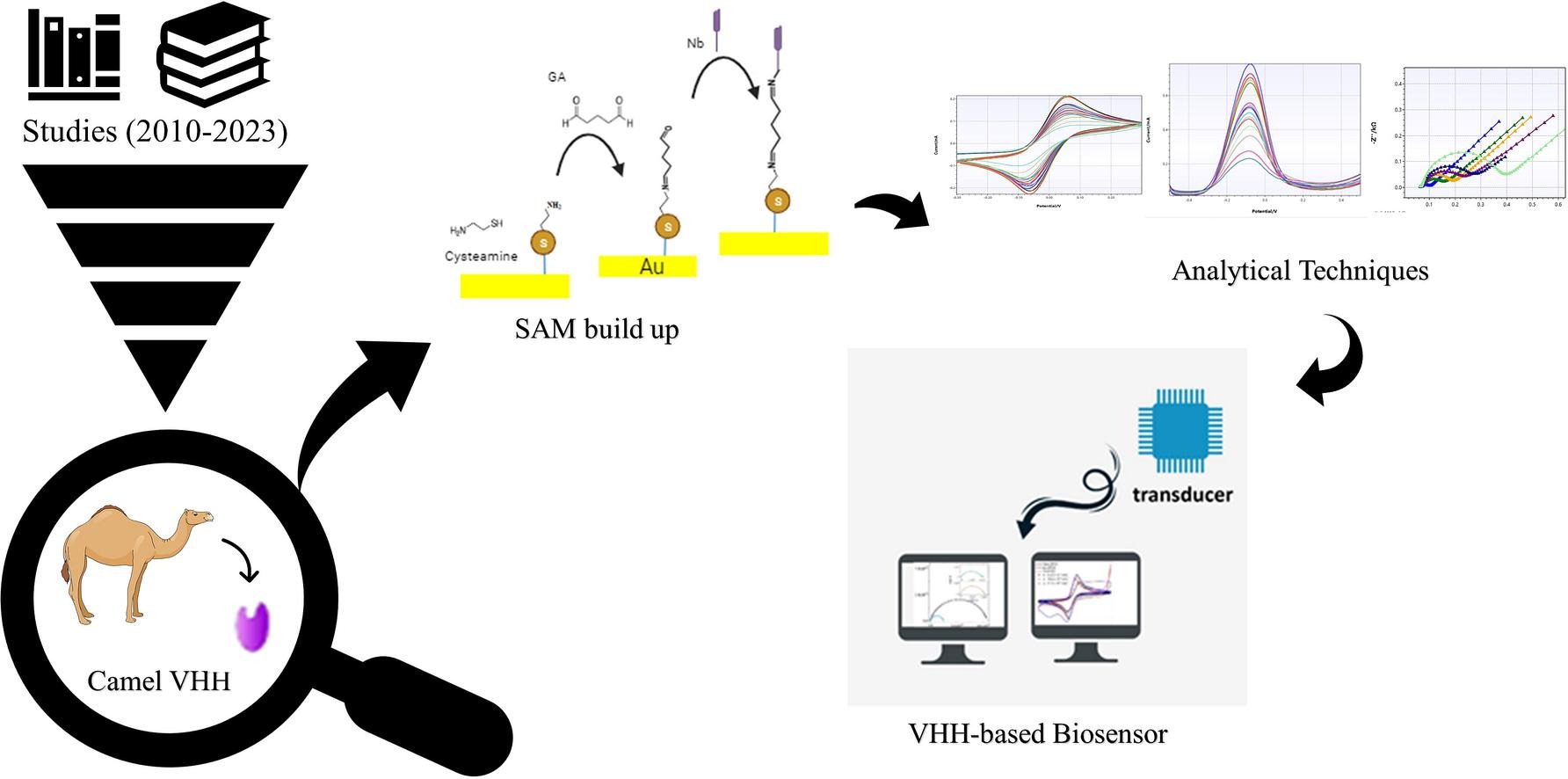
Explore VHH-based biosensors for high-sensitivity detection using nanobodies in ……
Biointron’s Antibodies After Hours: BIO 2026 Reception was held at The Lion's Sh……
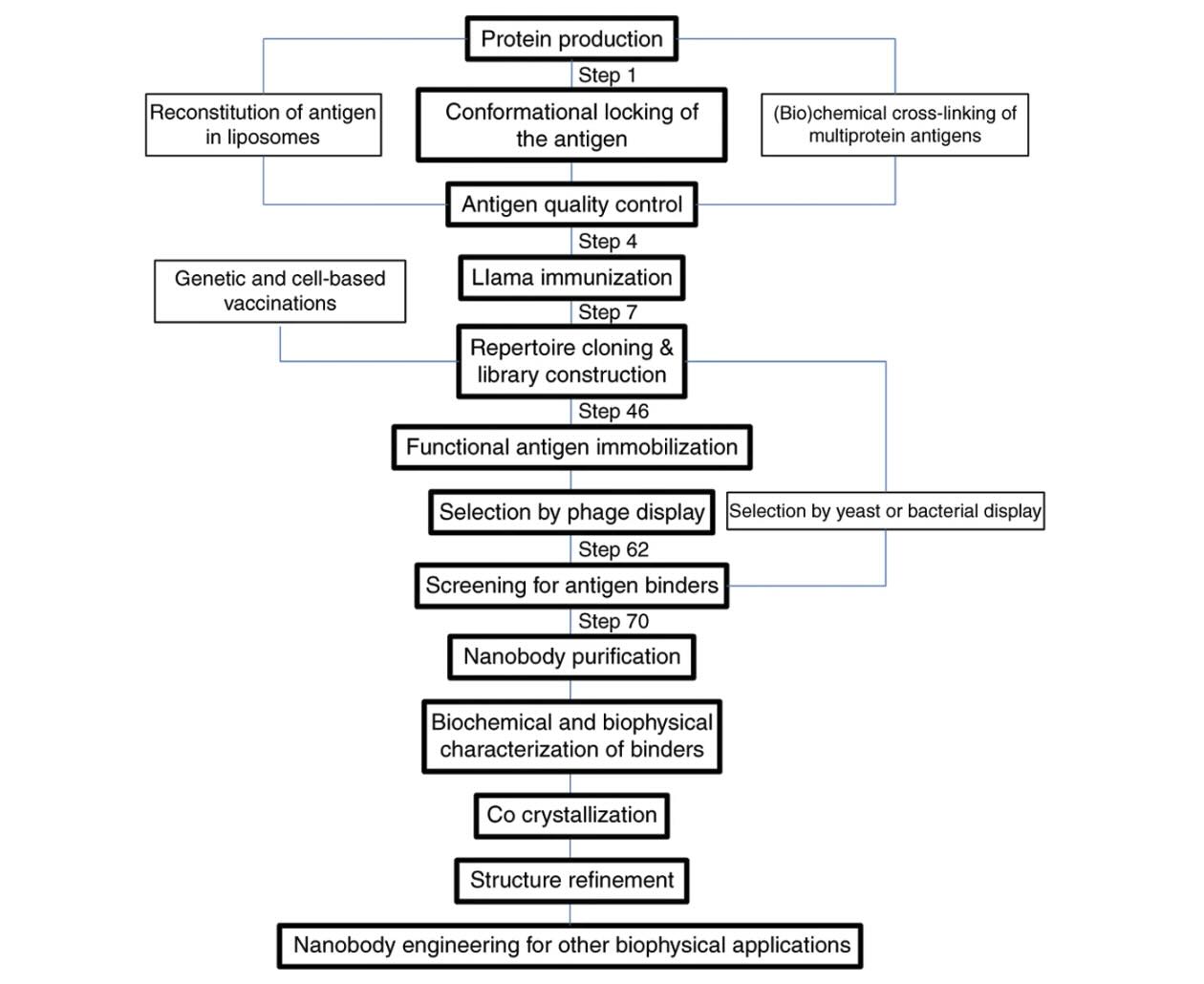
Explore how VHH antibodies stabilize protein conformations for crystallography, ……