
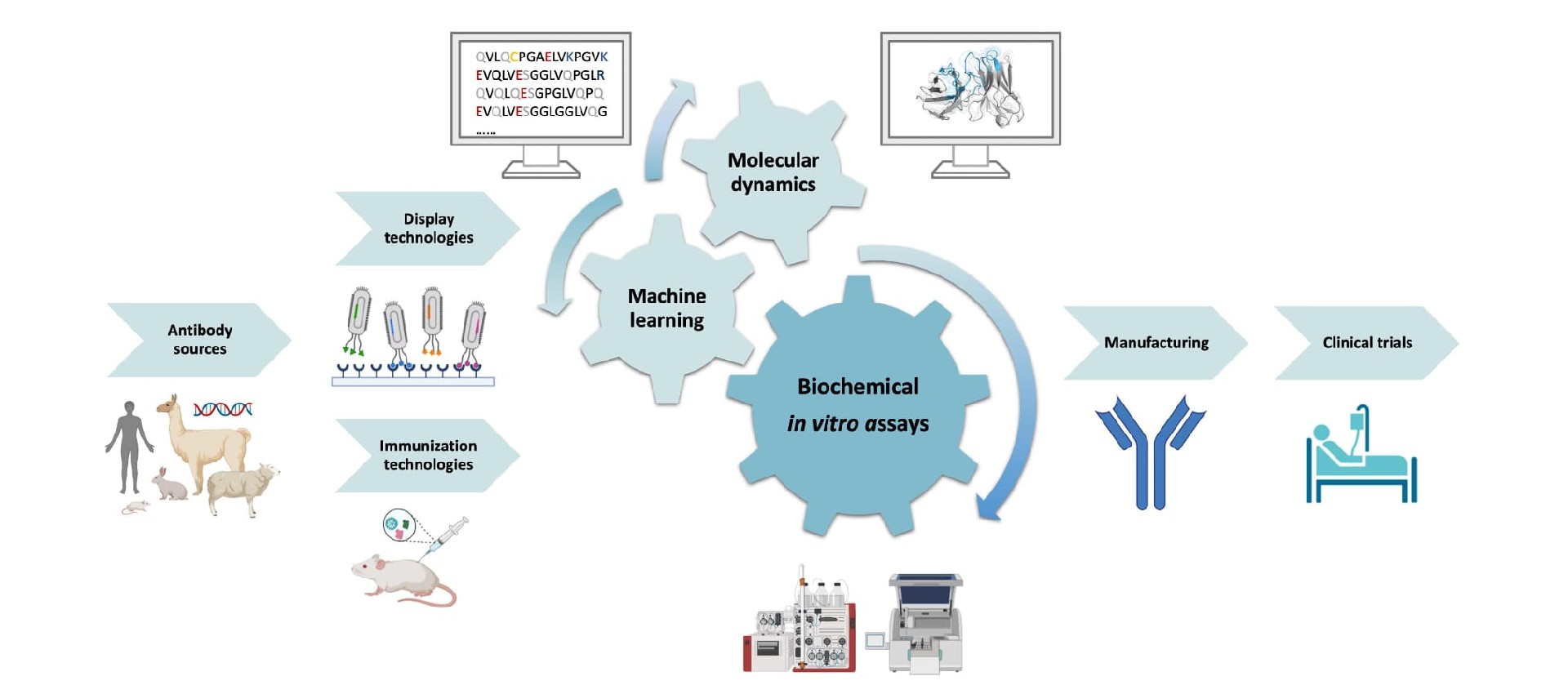



Recombinant antibody production is a revolutionary technology that has significantly impacted biomedical research and therapeutic applications. Unlike traditional antibody generation methods that rely on the immune response in animals, recombinant techniques involve the use of genetic engineering to produce antibodies with high specificity and reproducibility.
Antibodies, or immunoglobulins, are pivotal to the immune response, recognizing and neutralizing pathogens such as bacteria and viruses. Traditionally, antibodies were produced by immunizing animals and extracting the serum. However, recombinant antibody production bypasses the need for animal immunization, using instead genetically modified cells to produce desired antibodies.
Recombinant Antibody Production Process
1. Gene Isolation and Cloning
The process begins with isolating the gene that encodes the antibody of interest. This gene is then cloned into a vector, a DNA molecule used to transport genetic material into a host cell.
2. Host Cell Selection and Modification
Common host cells, including bacteria (E. coli), yeast, and mammalian cells, are genetically modified to incorporate the antibody gene. This modification enables the cells to produce the antibody.
3. Cultivation and Expression
The modified host cells are cultivated in bioreactors, where conditions are optimized for cell growth and antibody expression. This stage involves careful control of temperature, pH, and nutrient supply.
4. Purification and Verification
Following expression, the antibodies are purified from the culture medium. Techniques such as affinity chromatography ensure the isolation of high-purity antibodies. The specificity and activity of the antibodies are then verified through various assays.
Advantages of Recombinant Antibody Production
Recombinant antibodies offer several advantages over traditional methods, including higher specificity, the ability to produce antibodies against a wide range of antigens, and improved reproducibility. They can also be engineered to enhance their therapeutic efficacy. Recombinant antibodies have diverse applications, from therapeutic agents in the treatment of cancer, autoimmune diseases, and infections to diagnostic tools in medical research and clinical diagnostics.
For an antibody candidate, strong target binding is only part of the path toward……
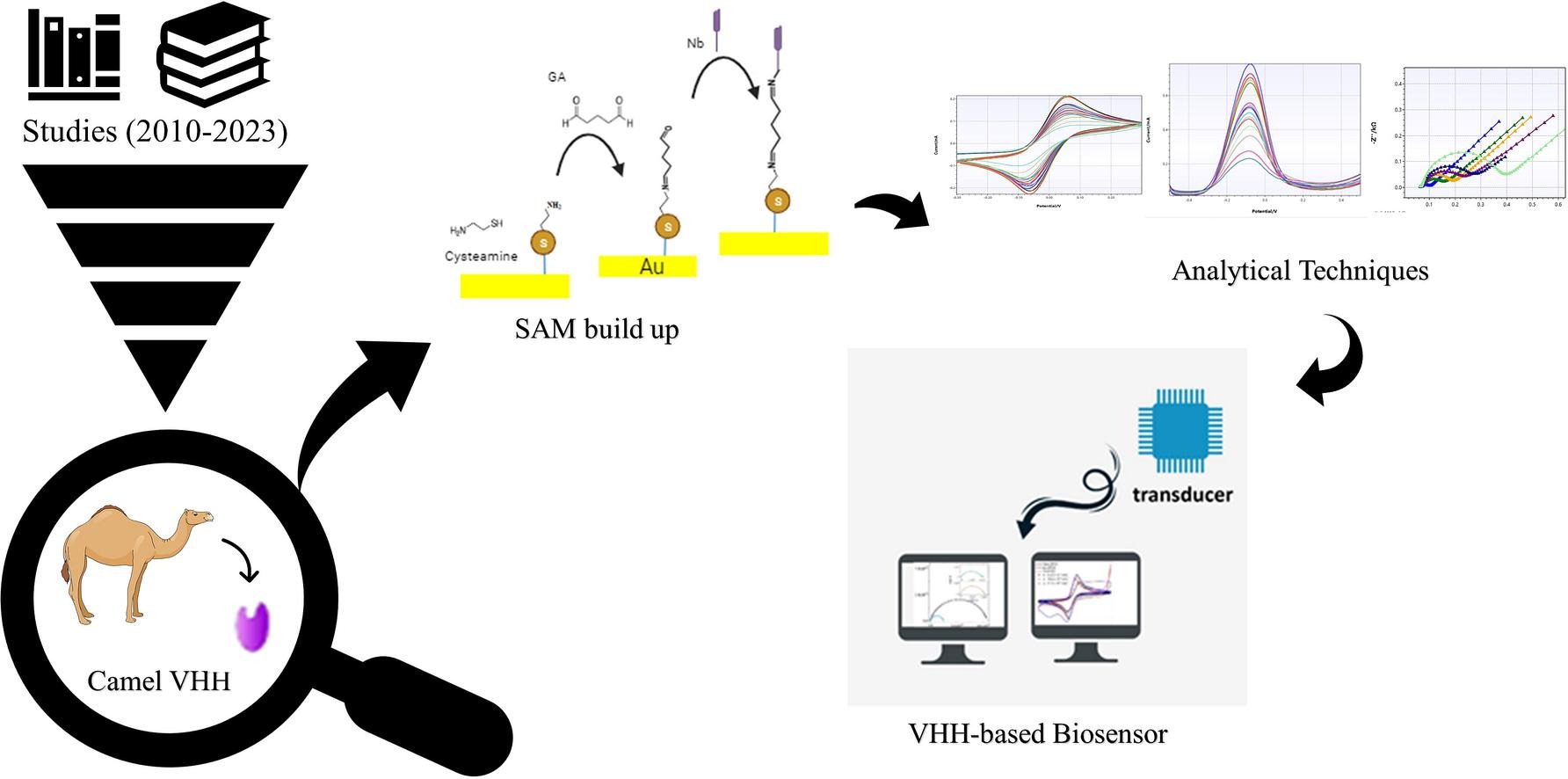
Explore VHH-based biosensors for high-sensitivity detection using nanobodies in ……
Biointron’s Antibodies After Hours: BIO 2026 Reception was held at The Lion's Sh……
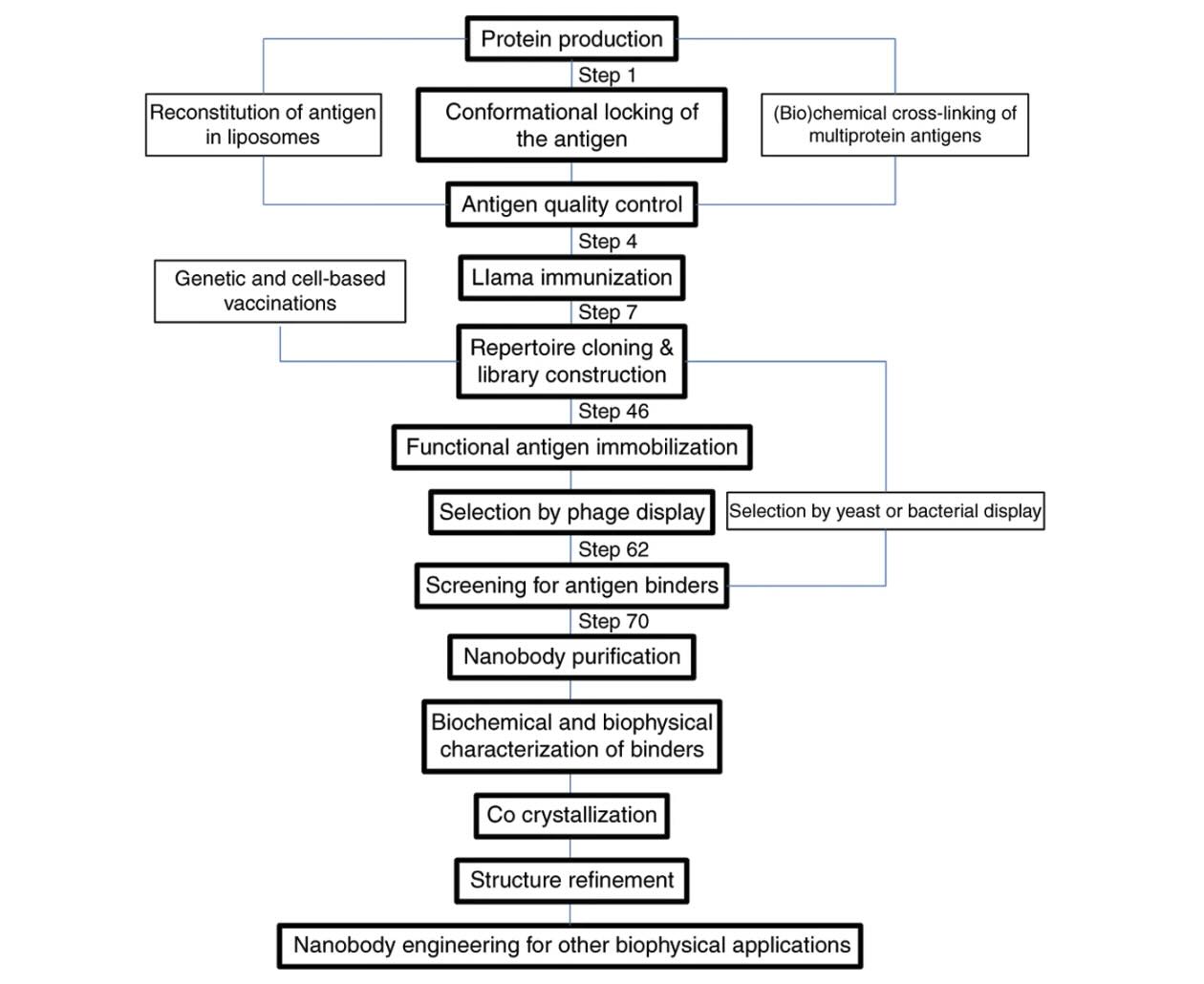
Explore how VHH antibodies stabilize protein conformations for crystallography, ……