



Definition and Overview
Recombinant antibodies are synthetic monoclonal antibodies produced using recombinant DNA technology, bypassing traditional hybridoma-based methods that rely on animal immunization. Instead, these antibodies are generated in vitro from synthetic genes, offering high specificity, reproducibility, and sensitivity.
Unlike conventional antibodies, recombinant antibodies can be engineered in various formats to suit different applications. Formats include full-length immunoglobulins (IgG), single-chain fragment variables (scFv), fragment antigen-binding (Fab), and multimeric constructs such as diabodies and triabodies.
How Are Recombinant Antibodies Made?
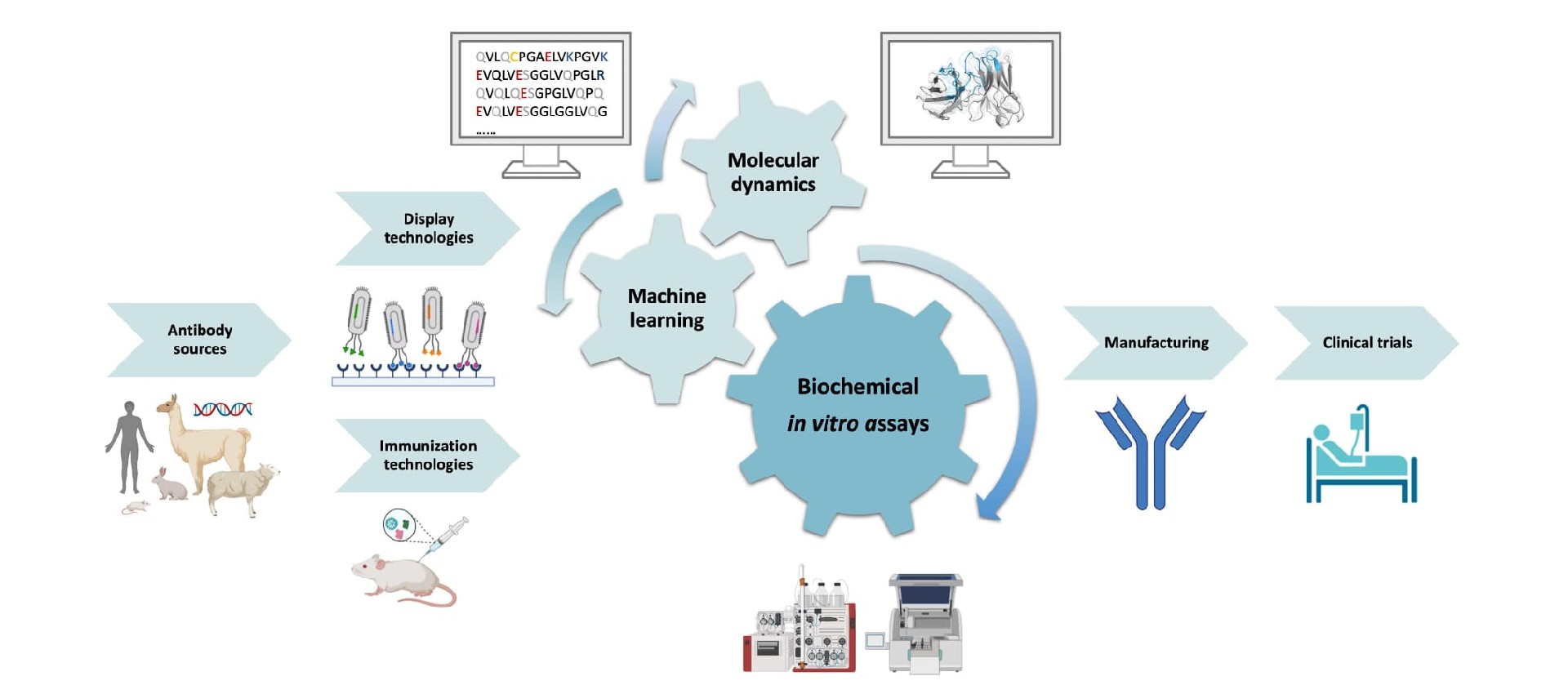
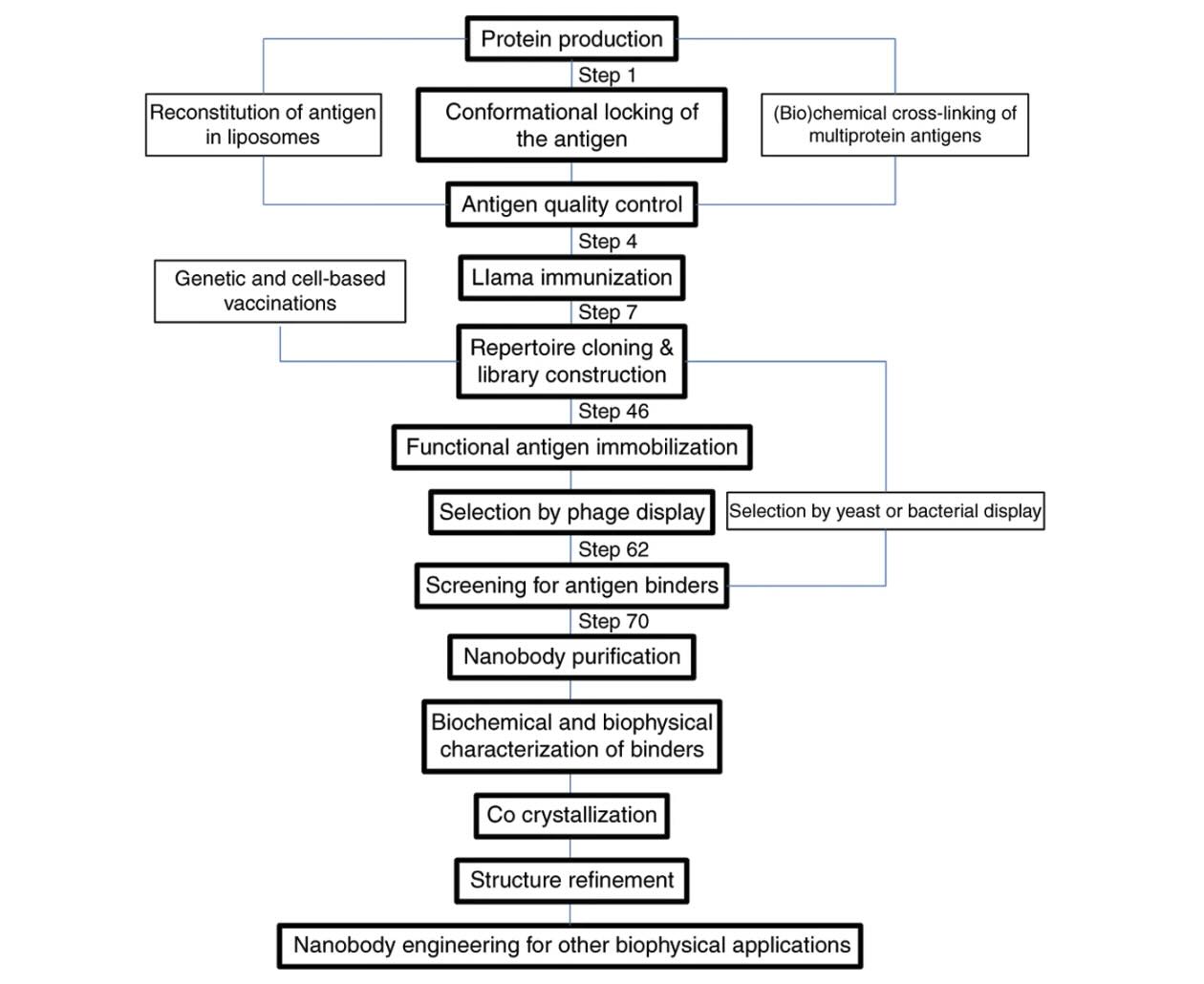
Recombinant antibody production typically uses display technologies like phage, yeast, or mammalian display systems. The process usually involves:
Gene Library Construction: Antibody genes encoding heavy and light chain fragments are amplified from antibody-producing cells or synthesized artificially. These genes are cloned into expression vectors.
Screening and Selection: A library of these vectors is used to produce a diverse set of antibodies displayed on phage surfaces or expressed in host cells. Antibodies with high affinity for a target antigen are identified through iterative selection processes, such as biopanning.
Expression in Host Systems: Selected antibody genes are introduced into host organisms, such as Escherichia coli (prokaryotes), Pichia pastoris (yeast), or mammalian cells like CHO or HEK293. The choice of host depends on the required complexity of the antibody, such as glycosylation patterns or multimerization.
Validation and Production: Antibodies are purified and validated for target binding and specificity using techniques like ELISA or immunoblotting.
Advantages of Recombinant Antibodies
Customizability: Antibodies can be engineered to optimize affinity, specificity, or pharmacokinetics. Formats like scFv and Fab enable tailored applications.
Consistency: Recombinant production ensures batch-to-batch reproducibility by using defined genetic sequences, unlike hybridomas susceptible to genetic drift.
Broad Antigen Range: Even non-immunogenic antigens, such as toxins and nucleotides, can be targeted.
Animal-Free Production: Their synthesis does not require animal immunization, eliminating pathogen risks.
Speed: Production timelines are significantly shorter than traditional monoclonal antibody development.
Applications in Research and Therapeutics
Research: Their specificity and reduced cross-reactivity make them ideal for techniques such as immunohistochemistry, flow cytometry, and western blotting. Fab fragments stabilize protein complexes in structural biology, while scFv antibodies enhance microscopy due to their small size.
Diagnostics: Used in assays like ELISA, recombinant antibodies improve detection accuracy and reproducibility.
Therapeutics: In cancer immunotherapy, recombinant antibodies such as Bevacizumab target tumor-specific markers. Fragments like scFv provide better tumor penetration and reduced retention in non-target tissues.
Related: HTP Recombinant Antibody Production
For an antibody candidate, strong target binding is only part of the path toward……
Explore VHH-based biosensors for high-sensitivity detection using nanobodies in ……
Biointron’s Antibodies After Hours: BIO 2026 Reception was held at The Lion's Sh……
Explore how VHH antibodies stabilize protein conformations for crystallography, ……