



Recombinant antibodies are produced using genetic engineering techniques, unlike traditional antibody production, where the immune system generates antibodies without direct control over their sequence. By introducing genes encoding antibody fragments into host cells, such as bacteria or mammalian cells, recombinant antibodies can be expressed, purified, and deployed for applications including research, diagnostics, and therapeutics.
Antibodies are indispensable tools for life sciences research, offering unparalleled specificity for detecting, quantifying, and characterizing proteins under various physiological and pathological conditions. However, certain antigens are refractory to traditional antibody generation techniques, particularly when unique or non-immunogenic sequences are involved. Recombinant antibody technology addresses these limitations, offering a renewable, reproducible, and precise solution for generating these essential biomolecules.
Core Steps in Recombinant Antibody Production
Antibody Gene Identification and Cloning
The process begins with identifying the desired antibody's heavy and light chain sequences. These can be obtained via nucleotide sequencing of B-cells, hybridomas, or even direct protein sequencing.
Expression Vector Design
The antibody genes are cloned into expression vectors that facilitate their production in host cells. Promoters, signal sequences, and other regulatory elements are optimized to enhance expression.
Transfection into Host Cells
The vectors are introduced into suitable host systems such as E. coli, yeast, or mammalian cells. Mammalian cells like CHO or HEK293 are preferred for producing fully glycosylated antibodies suitable for therapeutic use.
Antibody Expression and Purification
The host cells secrete antibodies into the culture medium, from which they are purified using affinity chromatography. This ensures high yield and purity of the final product.
Comparing Recombinant and Hybridoma-Derived Antibodies
Traditional hybridoma technology relies on the immune response of animals, often generating monoclonal antibodies with high specificity. However, this method is limited by variability between antibody batches, cross-reactivity issues, and challenges with antigens that fail to elicit robust immune responses.
Recombinant antibodies circumvent these challenges. Because their sequences are predetermined, they provide consistency across production batches and enable precise engineering for desired properties, such as enhanced affinity or tailored effector functions.
Related: Hybridoma Sequencing
Advantages of Recombinant Antibody Production
Reproducibility and Scalability: Recombinant antibodies eliminate the lot-to-lot variability seen in hybridoma-derived antibodies. Their production is highly scalable, supporting consistent manufacturing at large volumes.
Customization: Antibody fragments like Fab, scFv, and nanobodies can be generated to meet specific needs. Recombinant engineering allows modifications such as tagging, conjugation, and mutagenesis to optimize function.
Addressing Hybridoma Limitations: Recombinant technology allows targeting antigens that are non-immunogenic or hybridoma-refractory, broadening the scope of antibody discovery.
Therapeutic Advancements: Therapeutic antibodies produced recombinantly can be engineered to have improved pharmacokinetics, such as extended half-life, or reduced immunogenicity.
Applications of Recombinant Antibodies
Therapeutics: Antibodies targeting PD-1/PD-L1 have revolutionized cancer immunotherapy. Advances in recombinant technologies also enable bispecific antibodies and antibody-drug conjugates.
Diagnostics: Recombinant antibodies provide reliable reagents for detecting biomarkers, such as matriptase in cancer diagnostics.
Structural Biology: Recombinant Fabs aid in crystallography and cryo-electron microscopy (cryoEM), enabling high-resolution protein structure determination.
Research Tools: Recombinant antibodies are critical for studying protein-protein interactions and dissecting molecular mechanisms in cellular pathways.
For an antibody candidate, strong target binding is only part of the path toward……
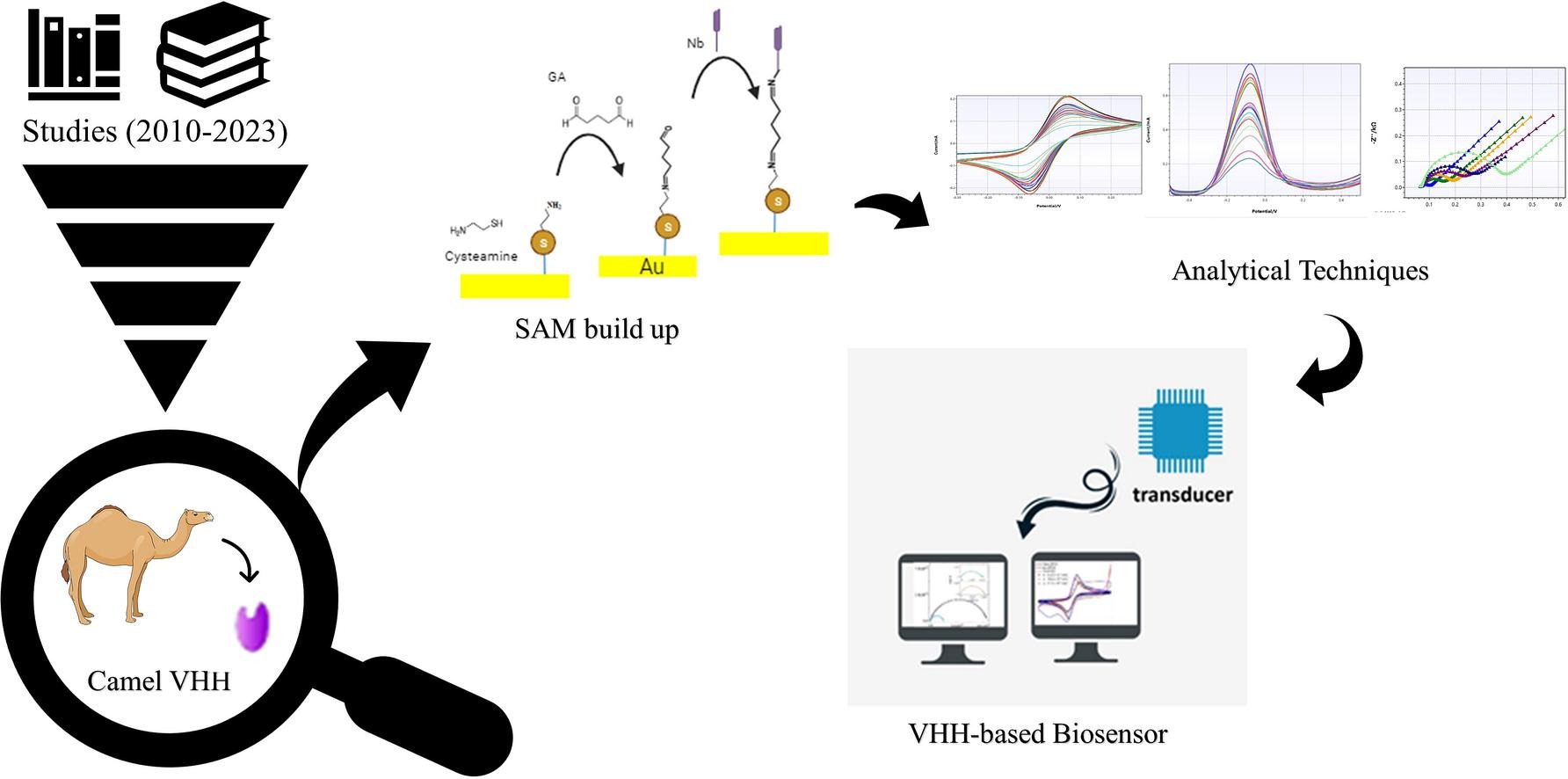
Explore VHH-based biosensors for high-sensitivity detection using nanobodies in ……
Biointron’s Antibodies After Hours: BIO 2026 Reception was held at The Lion's Sh……
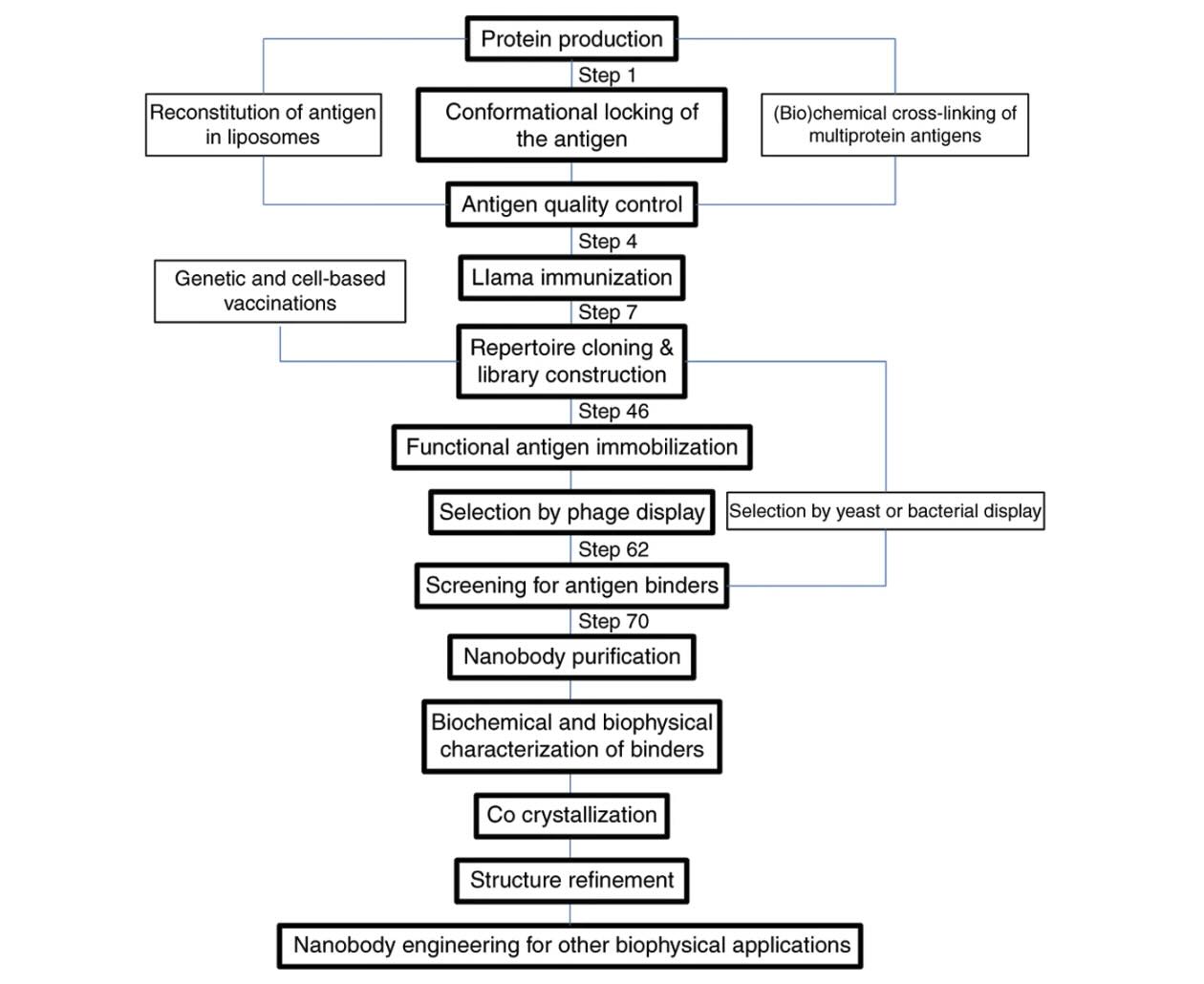
Explore how VHH antibodies stabilize protein conformations for crystallography, ……