


Antibody engineering has made remarkable advancements since the invention of hybridoma technology in 1975 by Köhler and Milstein, leading to the creation of therapeutic agents that exhibit high specificity and reduced adverse effects.
Bispecifics
Immunoglobulin G (IgG), the most common type of antibody found in blood circulation, is monospecific and recognizes only a single antigen, with the exception of IgG4. In contrast, bispecific antibodies are designed to recognize and bind to two different targets. This is useful as a therapeutic as it can be designed to redirect, for instance, immune cells such as T cells, to selectively engage and eliminate target tumor cells. In addition, bispecific antibodies can assist in the delivery of therapeutic payloads, such as toxins or drugs, to specific sites in the body.1
Fc engineering
The antibody’s Fc region has been shown to mediate effector functions such as ADCC and CDC, which can significantly affect therapeutic effectiveness. Antibody dependent cell mediated cytotoxicity (ADCC) occurs when antibody-opsonized target cells activate Fc gamma receptors on the surface of macrophages to induce phagocytosis. Complement-dependent cytotoxicity (CDC) results from the C1q protein binding to the Fc region which are in turn bound to a cell surface antigen, thus inducing cell death. These Fc-dependent effector functions are continuously being fine-tuned to increase the potency of antibodies.2
Humanization
The humanization of antibodies is a method to reduce the immunogenicity of antibodies from non-human species. It is typically used to develop monoclonal antibodies for human administration, by modifying protein sequences to increase similarity to antibody variants produced naturally in humans. At first, genetic engineering was used to generate chimeric antibodies, which contained human constant domains and as well as non-human variable domains to retain specificity. Humanized antibodies were then created by grafting antibody complementarity-determining regions from the non-human antibody onto a human variable region framework.3
At Biointron, we offer high-quality recombinant antibody production services that can help researchers and biotech companies develop antibody-based drugs for various diseases. Our team of experts can provide customized solutions that meet your specific research needs. Contact us to learn more about our services and how we can help accelerate your research and drug development projects.
Yélamos, J. (2022). Current innovative engineered antibodies. International Review of Cell and Molecular Biology, 369, 1-43. https://doi.org/10.1016/bs.ircmb.2022.03.007
Moore, G. L., Chen, H., Karki, S., & A, G. (2010). Engineered Fc variant antibodies with enhanced ability to recruit complement and mediate effector functions. MAbs, 2(2), 181-189. https://doi.org/10.4161/mabs.2.2.11158
Waldmann H. (2019). Human Monoclonal Antibodies: The Benefits of Humanization. Methods in molecular biology (Clifton, N.J.), 1904, 1–10. https://doi.org/10.1007/978-1-4939-8958-4_1
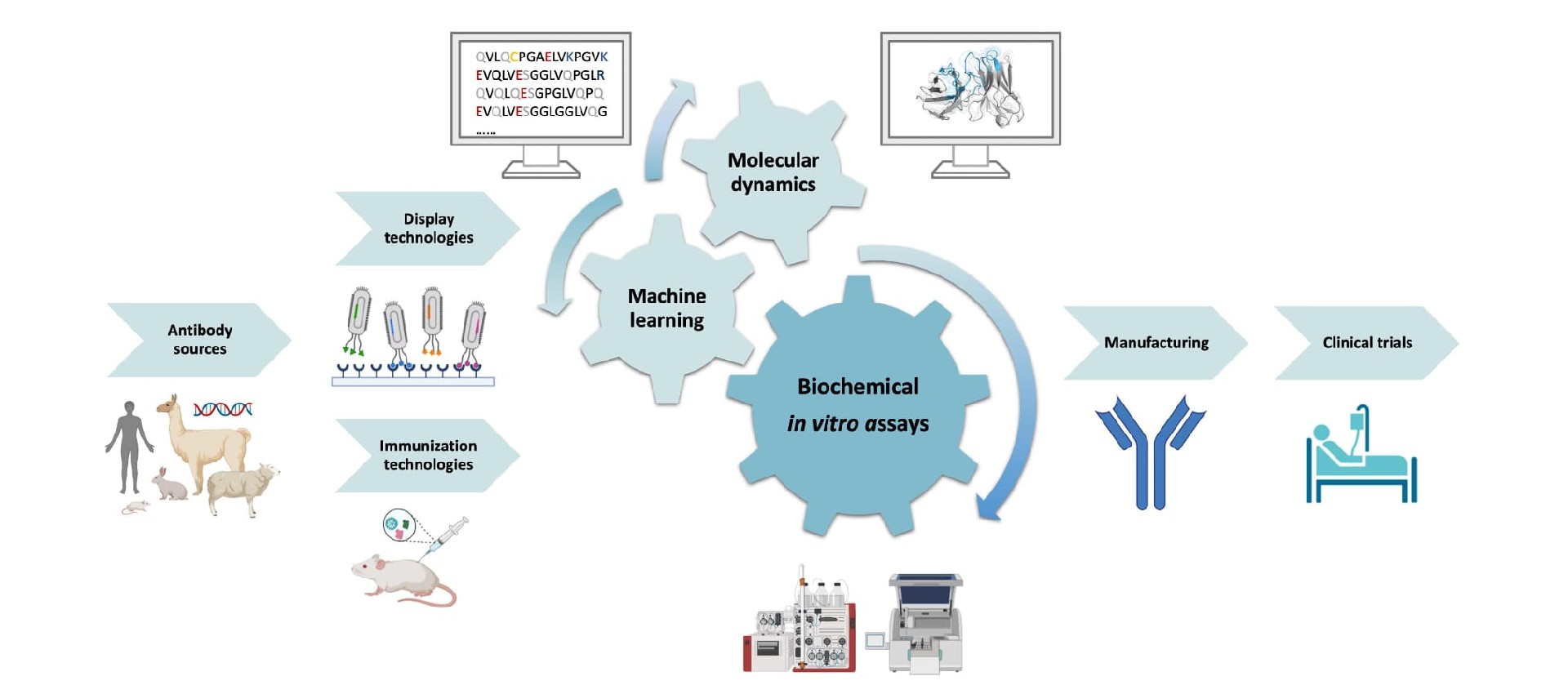
For an antibody candidate, strong target binding is only part of the path toward……
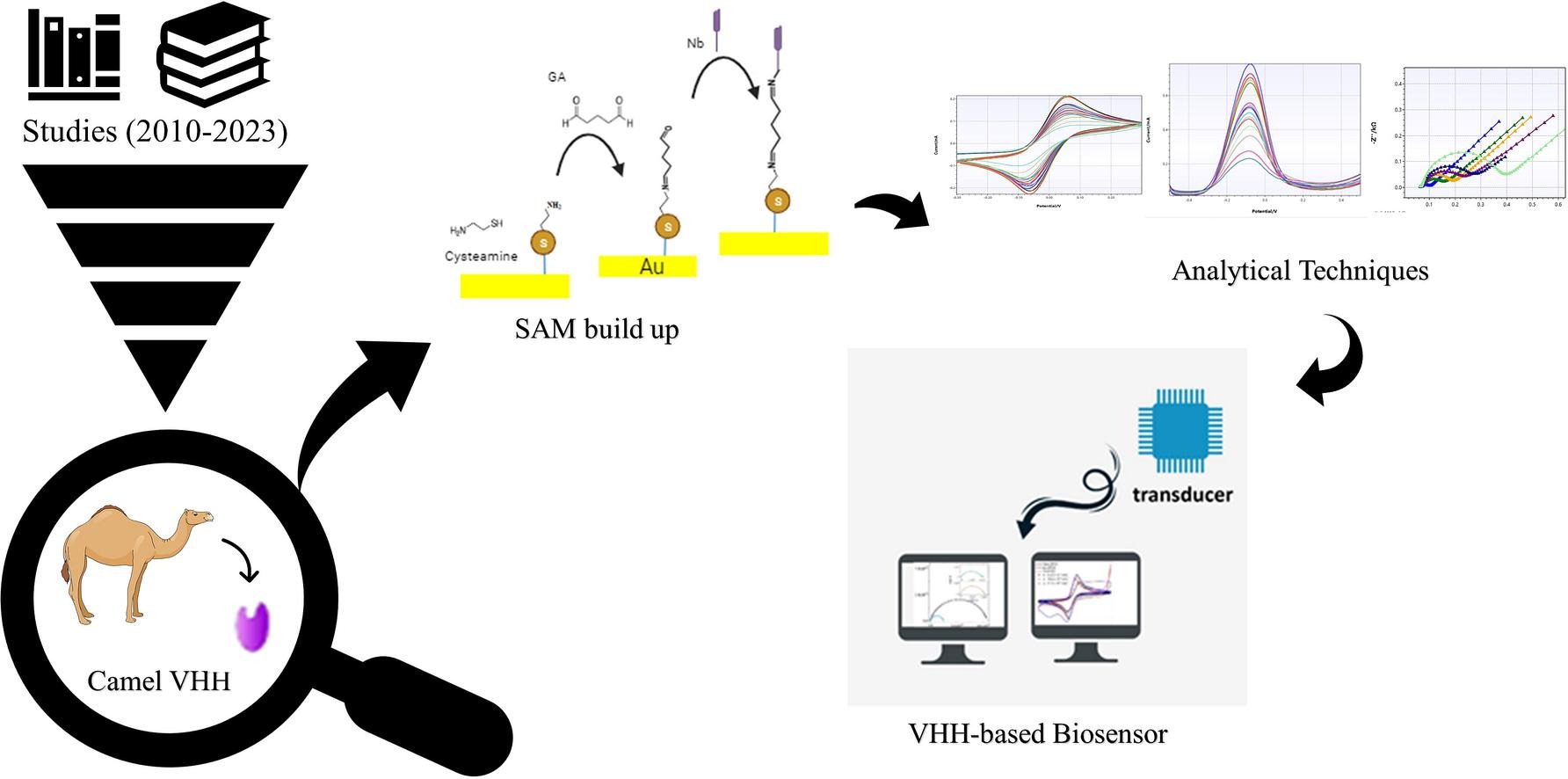
Explore VHH-based biosensors for high-sensitivity detection using nanobodies in ……
Biointron’s Antibodies After Hours: BIO 2026 Reception was held at The Lion's Sh……
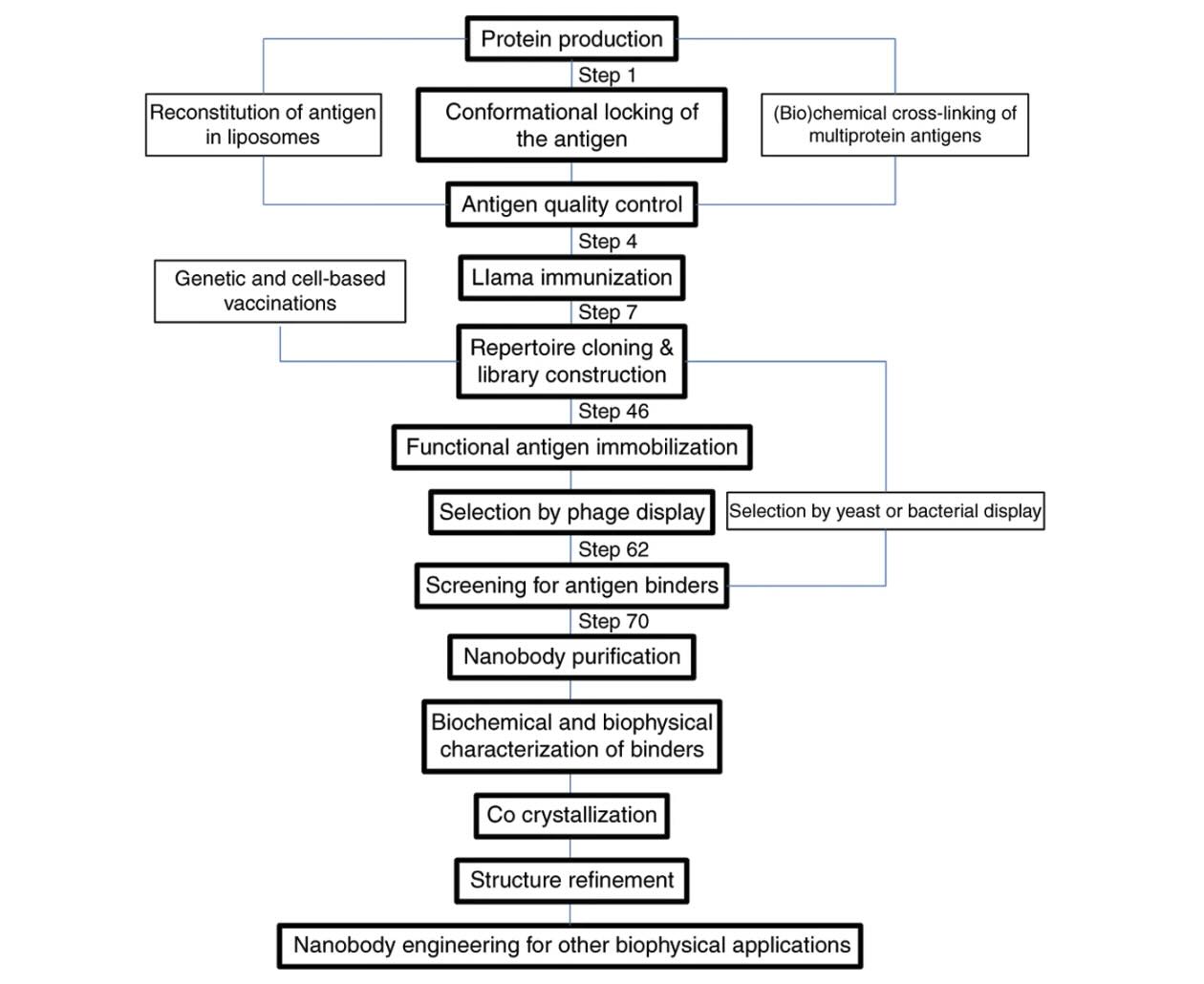
Explore how VHH antibodies stabilize protein conformations for crystallography, ……