




Introduction: Persistent Dominance of E. coli as a Protein Expression Platform Escherichia coli remains the most widely used host organism for recombinant protein production due to its rapid growth, inexpensive cultivation, and well-established genetic tools. Despite decades of use, t
Antibody therapeutics have a structural limitation: many targets such as immune checkpoints, costimulatory receptors, and broadly expressed tumor-associated antigens, cannot be engaged at pharmacologically optimal exposures without triggering dose-limiting on-target, off-tumor toxicities. In response, multiple groups are exploring antibody formats, like introducing conditionality.
Recent work in antibody-cytokine fusion proteins reflects a clear engineering objective: retain the immunostimulatory capacity of cytokines while reducing systemic toxicities associated with non-restricted receptor engagement.
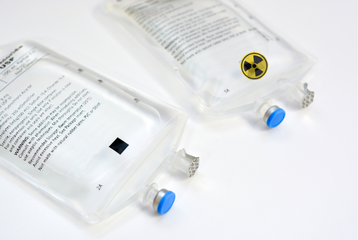
Radioligand therapy (RLT), also known as radiopharmaceutical therapy, is quickly becoming a major player in the oncology therapeutics space, specifically radioantibodies.
Biointron’s 2026 Antibody Industry Outlook aims to explore the events and trends of the biopharmaceutical industry for 2026. Last year, 21 novel monoclonal antibody drugs have been approved by China, United States, Europe, and Australia.
Fusion proteins are engineered molecules combining domains from two or more distinct proteins into a single polypeptide chain to endow new or enhanced biological functions. In antibody research and drug development, fusion proteins often incorporate an immunoglobulin framework with targeting, signaling, or effector domains such as cytokines, enzymes, or synthetic peptides.
Antibody-drug conjugates (ADCs) rely critically on the chemical linker as the molecular bridge between the antibody and the cytotoxic payload. This component governs not only stability and pharmacokinetics but also the specificity and mechanism of payload release. Recent research describes computational and chemically innovative strategies to expand the functional and pharmacological space of linkers.
Despite comprising the largest family of druggable membrane proteins, only three G protein-coupled receptor (GPCR)-targeting antibodies have been approved. The human genome has more than 800 GPCRs, which regulate various critical physiological processes, but many GPCRs are expressed poorly, or have unknown ligands and unclear signaling pathways.
In 2025, 21 novel monoclonal antibody (mAb) drugs were approved for the first time worldwide. These approvals represent an expansion of both antibody modality and therapeutic focus, with developments in bispecifics, ADCs, long-acting formulations, and first-in-class mechanisms.
Biointron’s Q4 2025 antibody industry report aims to explore the events and trends of the biopharmaceutical industry in October, November, and December. This quarter, 5 novel monoclonal antibody drugs have been approved by the US, UK, and China.
Recent studies in antibody formulation highlight challenges in achieving high-concentration, stable, and patient-friendly formulations. These efforts include possible solutions in improving self-administration, global distribution without cold-chain reliance, and reducing healthcare system burdens.
Antibody discovery has traditionally relied on methods like hybridoma technology and phage display, but these approaches face increasing limitations, including low throughput, disrupted antibody chain pairing, and time-consuming workflows.